
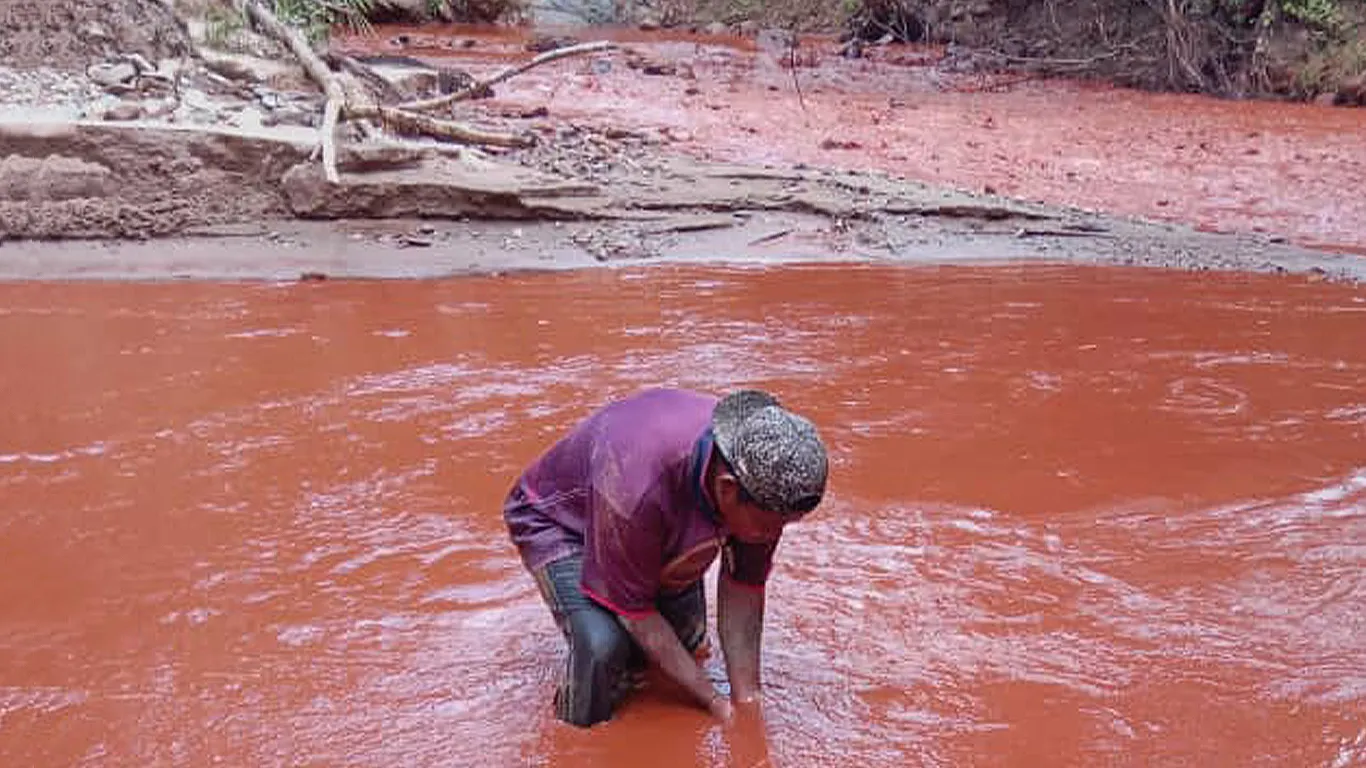
Clutching a mengkuang-weave bag tightly to her chest, Alang Angah’s face clouded with anguish at the mention of her late father, Angah Alang.
“He went to bathe in the river but never returned,” she said, but it was all she could muster before falling silent, overcome by grief nine years after the tragic death.
The death of Angah, 76, in just three feet of water in the river he bathed and fished in all his life, was not just a personal tragedy for his family.
With him died a repository of tradition and knowledge, passed down for generations in the quiet Temiar community.
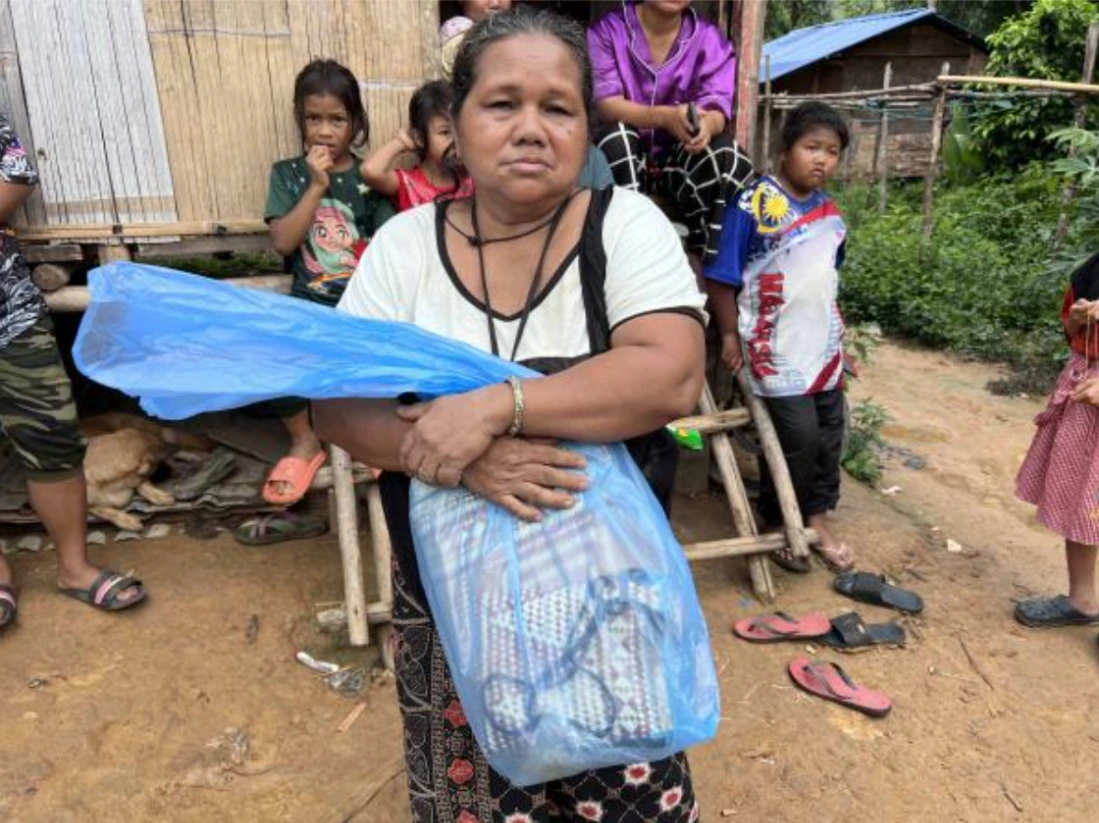
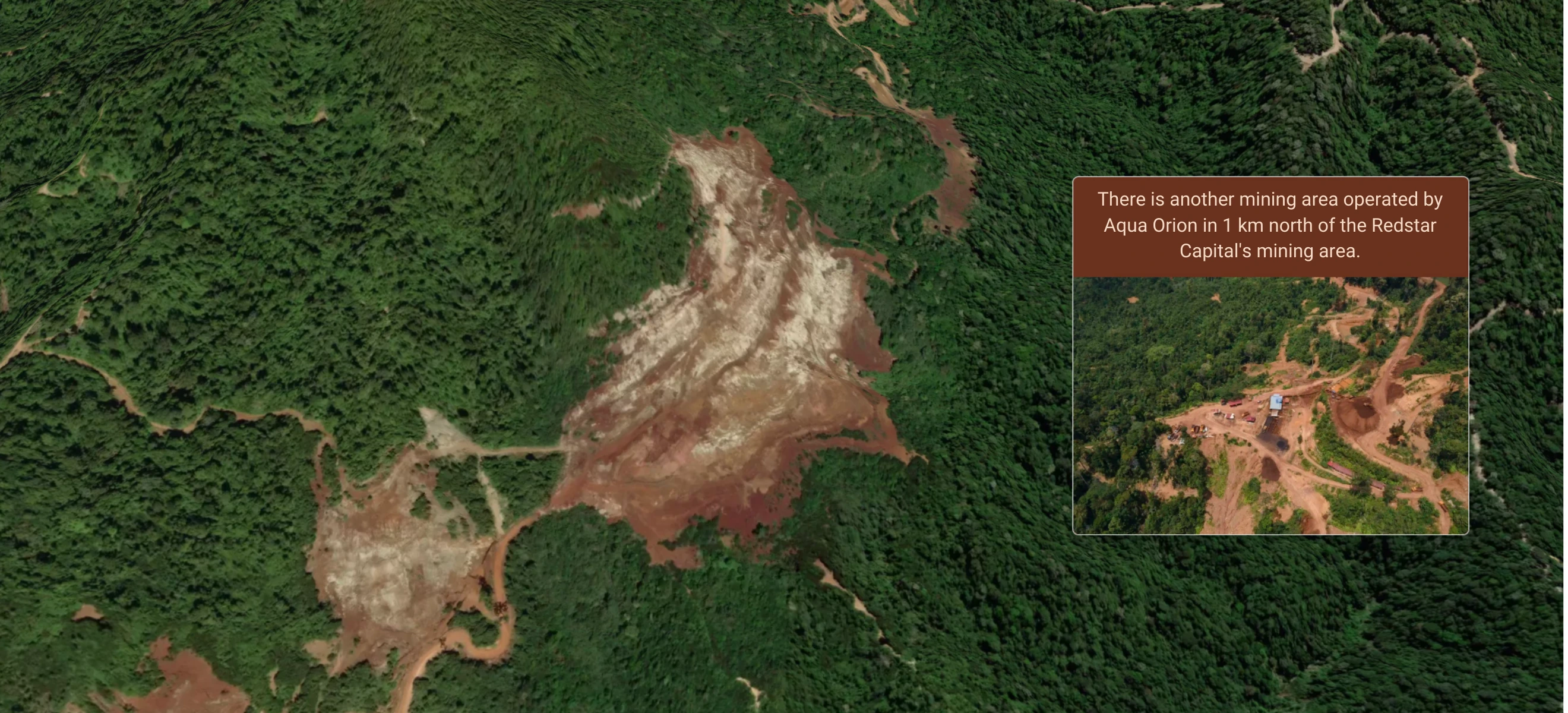
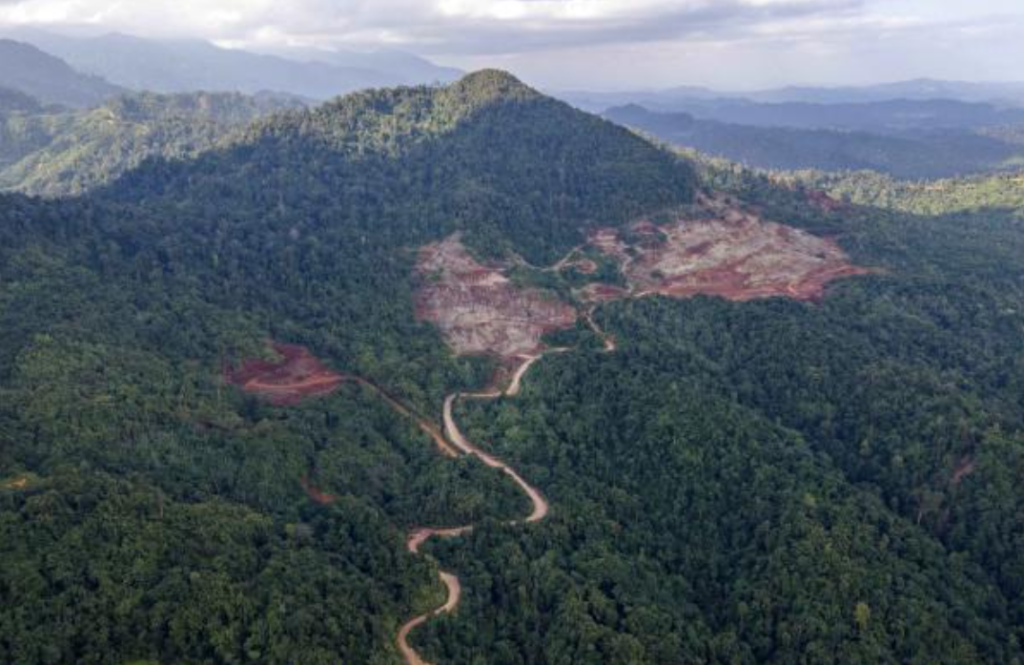
The villagers believe the flood was man-made, pointing to Bukit Tambun where two licensed iron ore mining operations have been progressively disfiguring their hunting grounds, destroying some of their natural resources, and desecrating parts of areas sacred to the Temiar tribe from generations ago.
READ: Iron Ore Mining is invading an indigenous Orang Asli Community in Malaysia
That day, Angah’s grandson Alai Alang said, a tailing pond sitting on a ridge on Bukit Tambun gave way, and water rushed down to where his grandfather was bathing.
The site at Bukit Tambun, which Malaysiakini visited, still shows tell-tale signs of what happened but the pond, with ridge still covered in tailing. The pond, however, has been moved further from the slope.
The mine operator, Redstar Capital Sdn Bhd, said the mining operations had nothing to do with Angah’s death.
Its administrative manager Julice Chu told Malaysiakini the company cooperated with police on the matter, and the case was closed
“You shall refer to the authorities with regards to the facts, instead of relying solely on the untrue and inaccurate allegations,” she said in a statement.
Secluded Paradise laid to Ruin
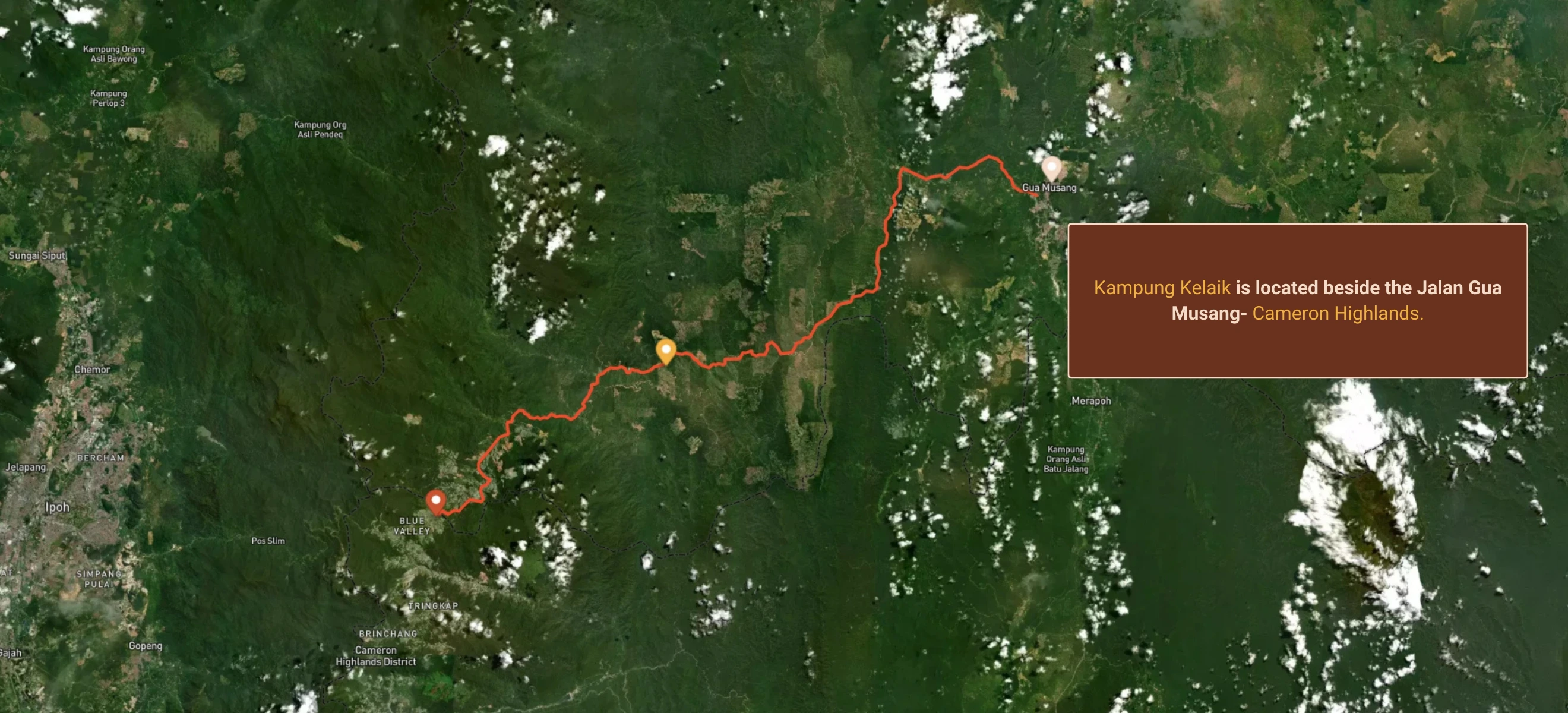
Nothing prepared the quiet community for the vast changes that would come with the opening of the Gua Musang-Cameron Highlands highway in 2004. Indeed, nobody told them it would happen.
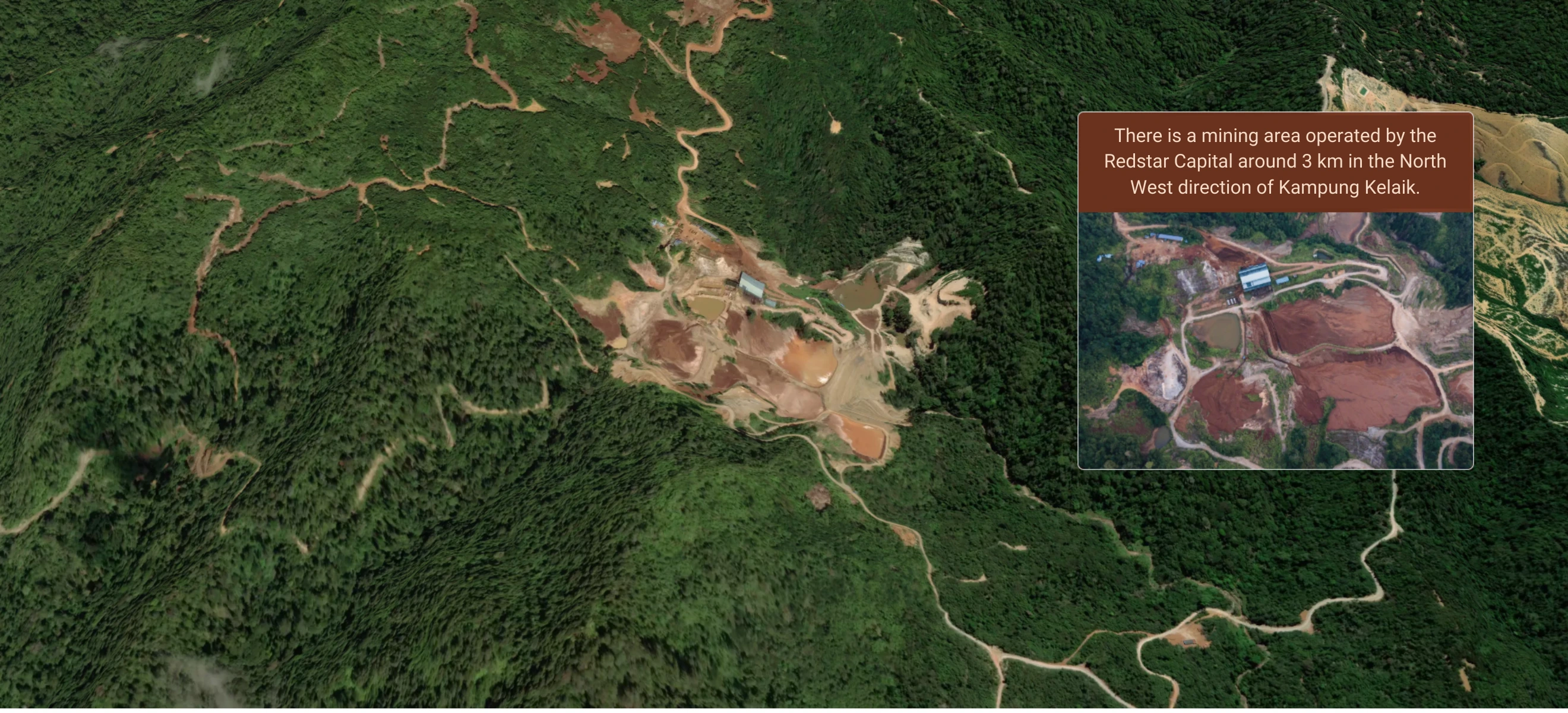
Without their consent, their pristine rainforest home turned into oil palm, rubber and durian plantations. In 2009, the first iron ore mine, operated by the Chinese national-owned firm Sterling Goldhill Sdn Bhd completely changed the landscape of their ancestral land.
Before that, the Temiar of Kampung Kelaik lived in seclusion, separate from Orang Asli settlements in Gua Musang and without an administrative centre or “post”.
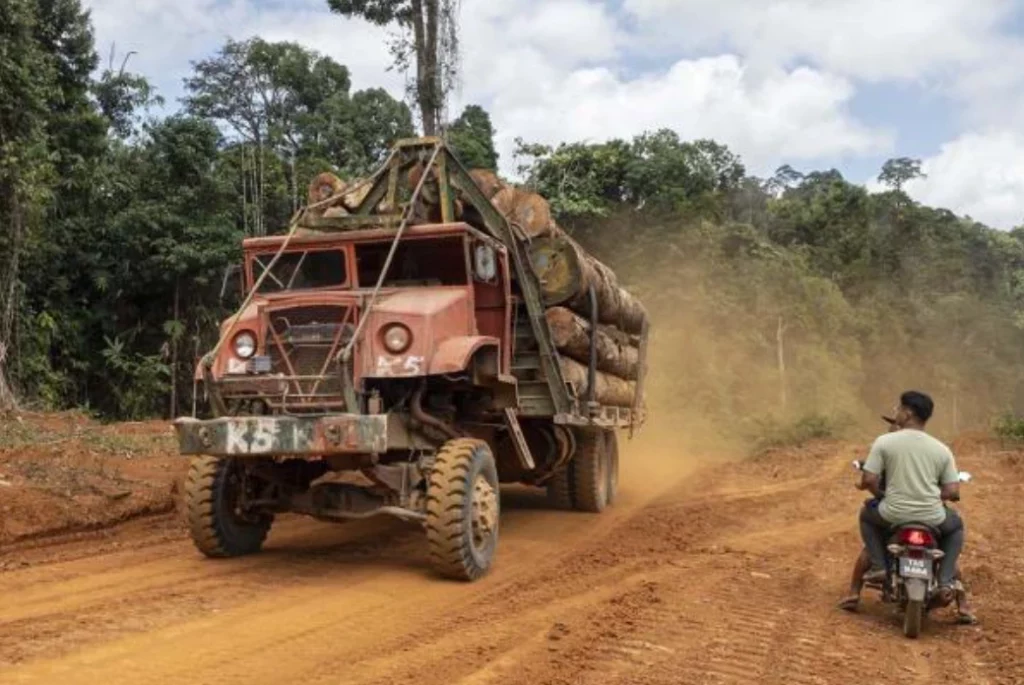
Even today, getting to the village is a bumpy 30-minute journey through logging trails by four-wheel drive vehicle, from the turn off at the highway.
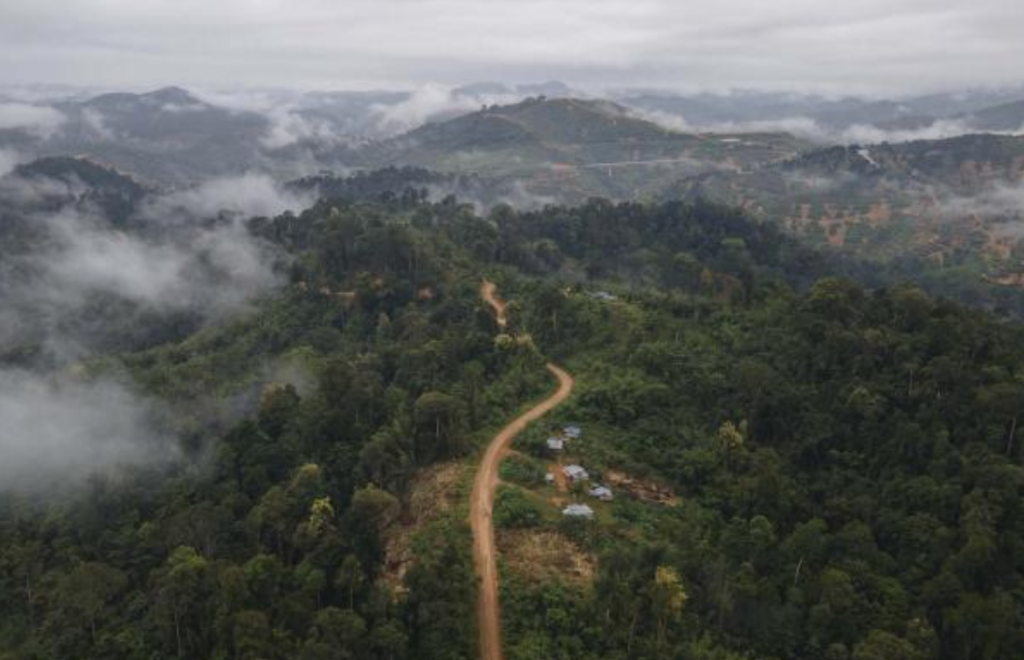
With no electricity or piped water, they drank from clear streams, foraged and hunted for what they needed, and felt little need to venture beyond their homeland. Even the unhurried pace of Gua Musang town is too bustling for them, said Ahak.
It took the 200 residents of Kampung Kelaik several years after the destruction to realise they had a right to object.
“Twenty years ago when loggers entered our ancestral grounds, some elders from neighbouring Orang Asli posts warned us that challenging the government’s decisions was considered seditious,” he said.

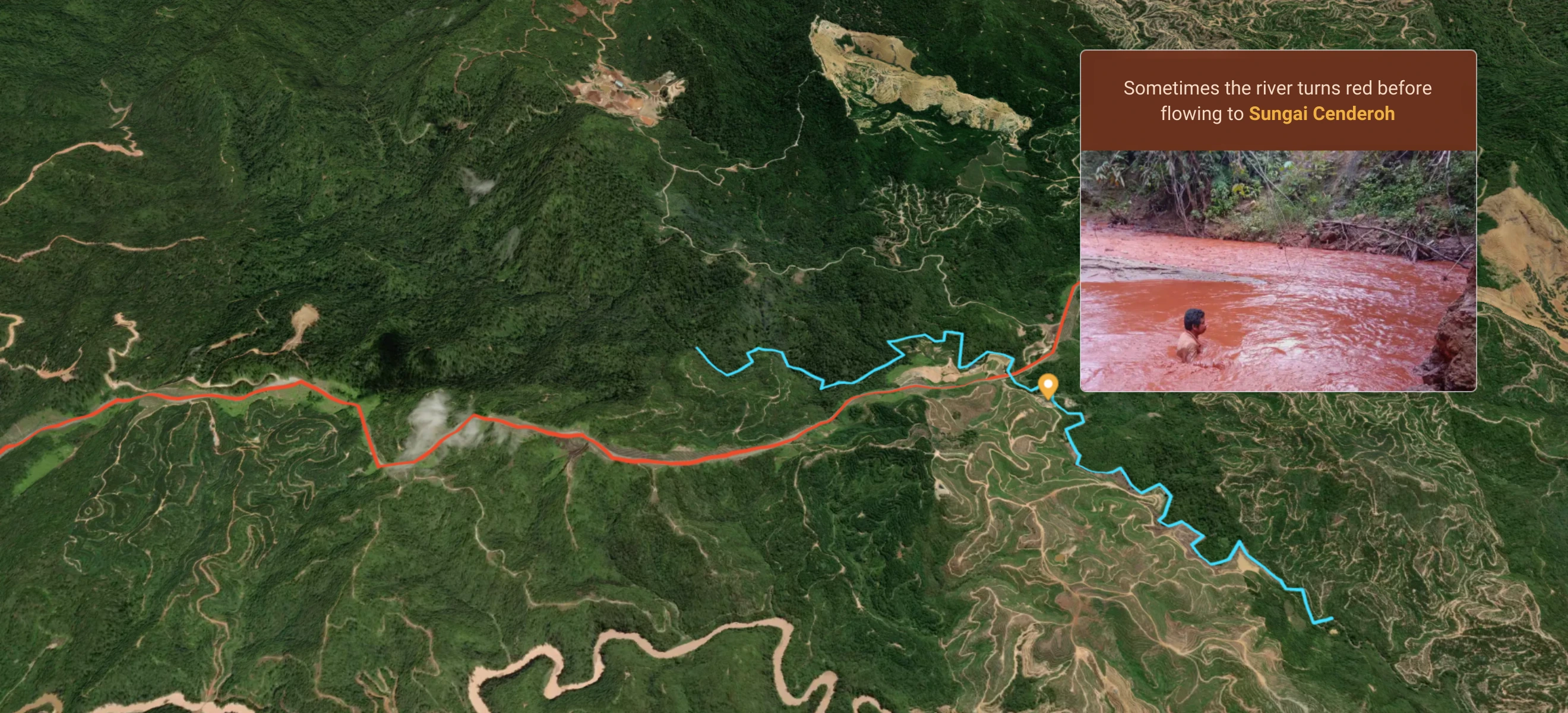
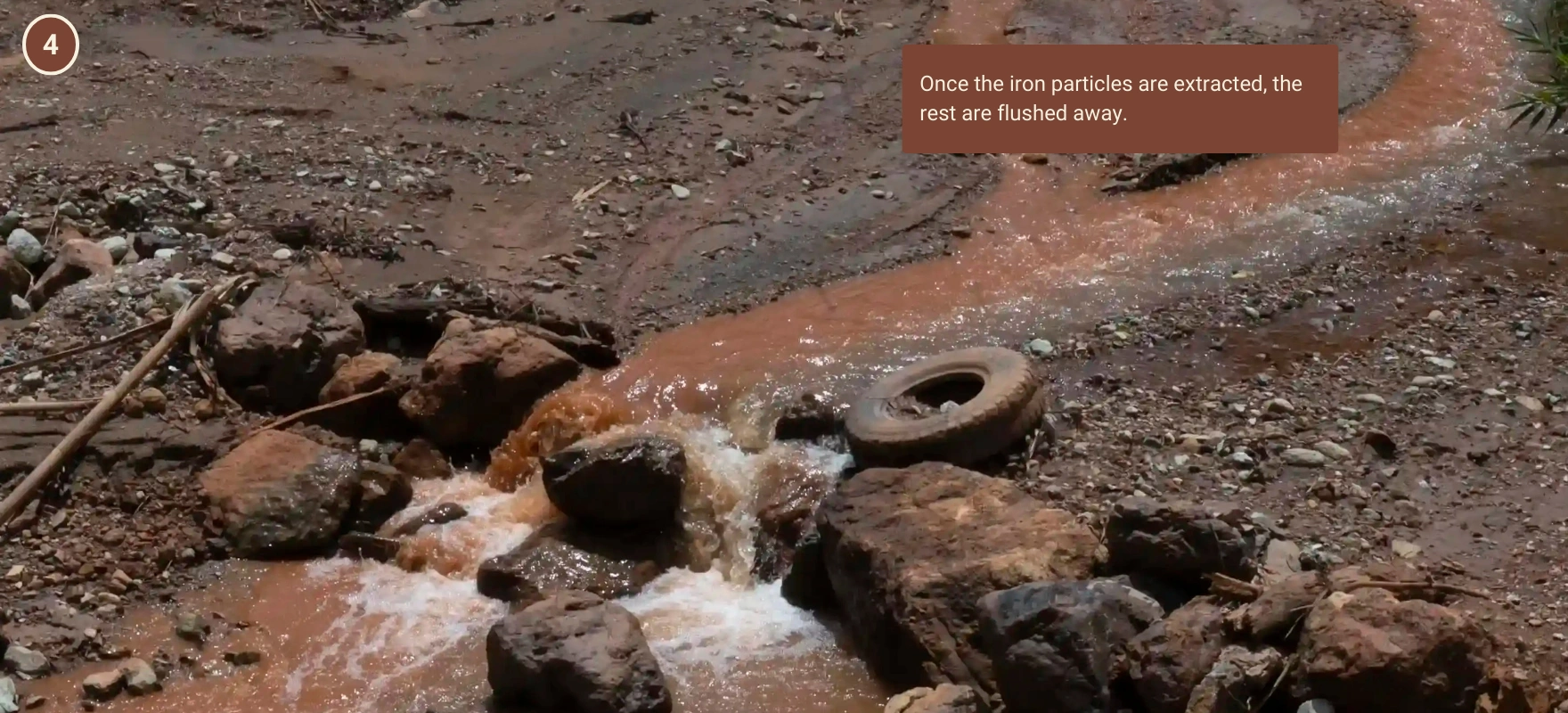
IIn 2012, the residents of Kampung Kelaik blew the whistle to Malaysiakini, which found the rivers already so red that rice cooked with river water similarly adopted the rusty colour.
But their plights fell on deaf ears as iron ore became even more sought after on the international market. In 2015, another mine – Aqua Orion – opened near Kampung Kelaik.
(Right) Video: Malaysiakini
Poison in Bloodstreams
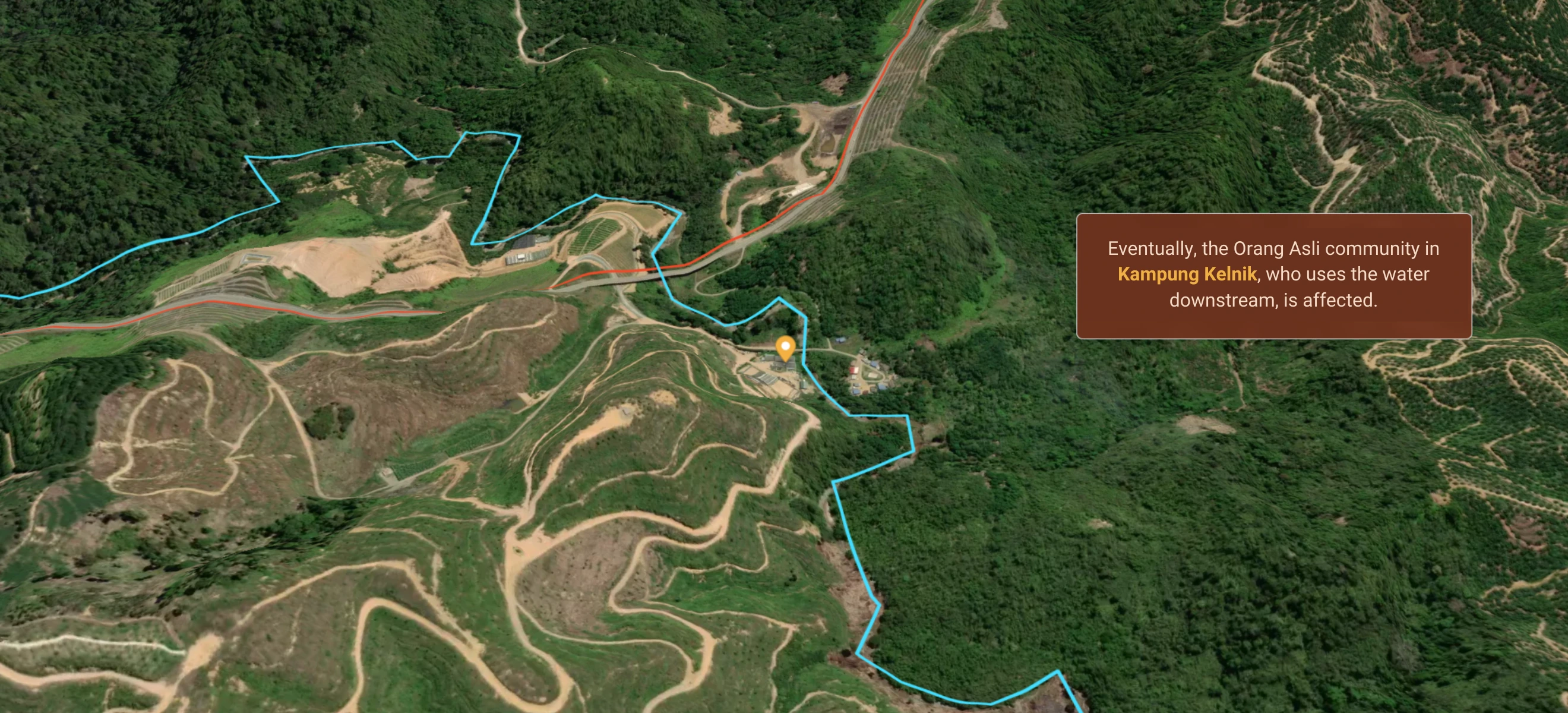
Returning to Kampung Kelaik more than a decade later, Malaysiakini in the past months conducted more tests on water samples taken at various points of the river – near discharge points of both mines and downstream where Kampung Kelaik residents bathe, swim and fish.
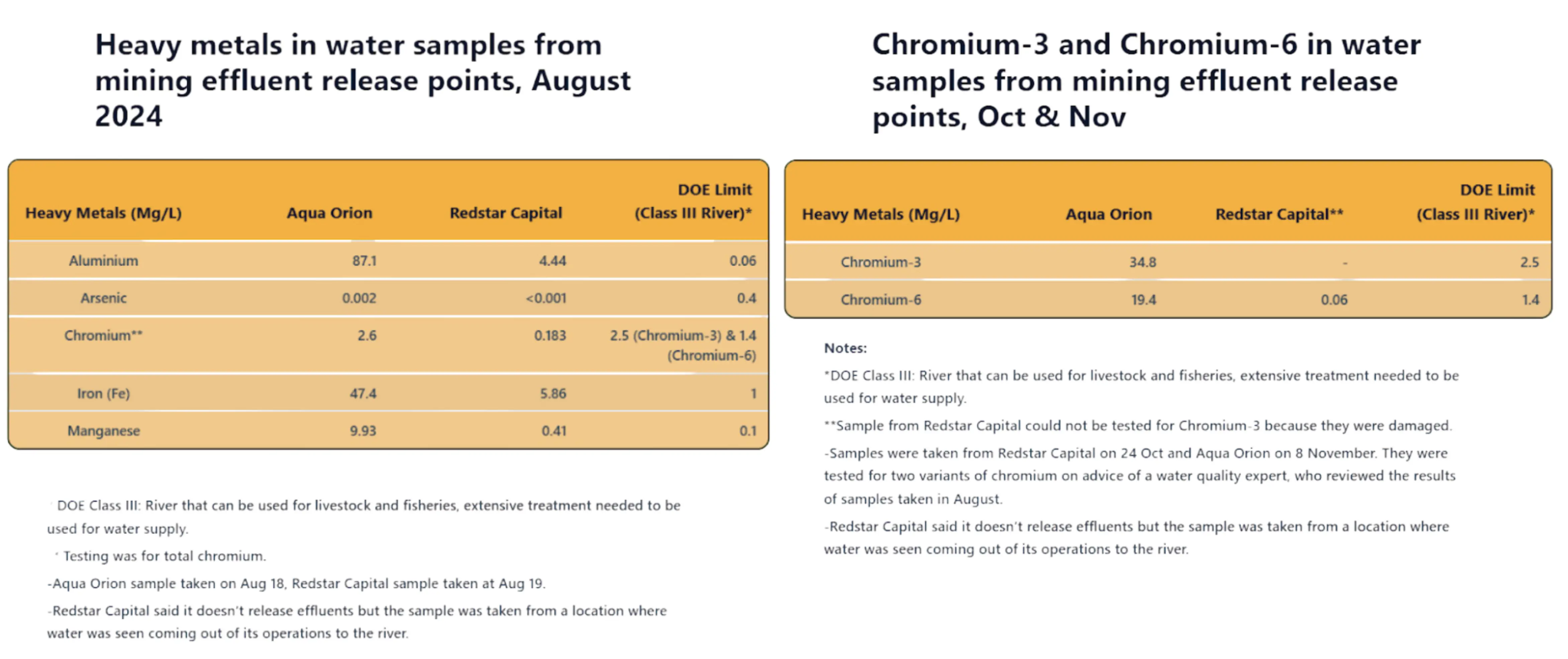
Alarmingly, the tests showed levels of chromium – an element which could cause cancer – were far higher than permissible near the discharge point near the mine run by Aqua Orion, and downstream near Kampung Kelaik.
Even more worrying was the blood test results of one villager, Azlan Ahak, 19, the son of village leader Ahak, whose blood sample was found to have chromium levels four times the normal range, raising his cancer risk 64,000 times higher than normal.
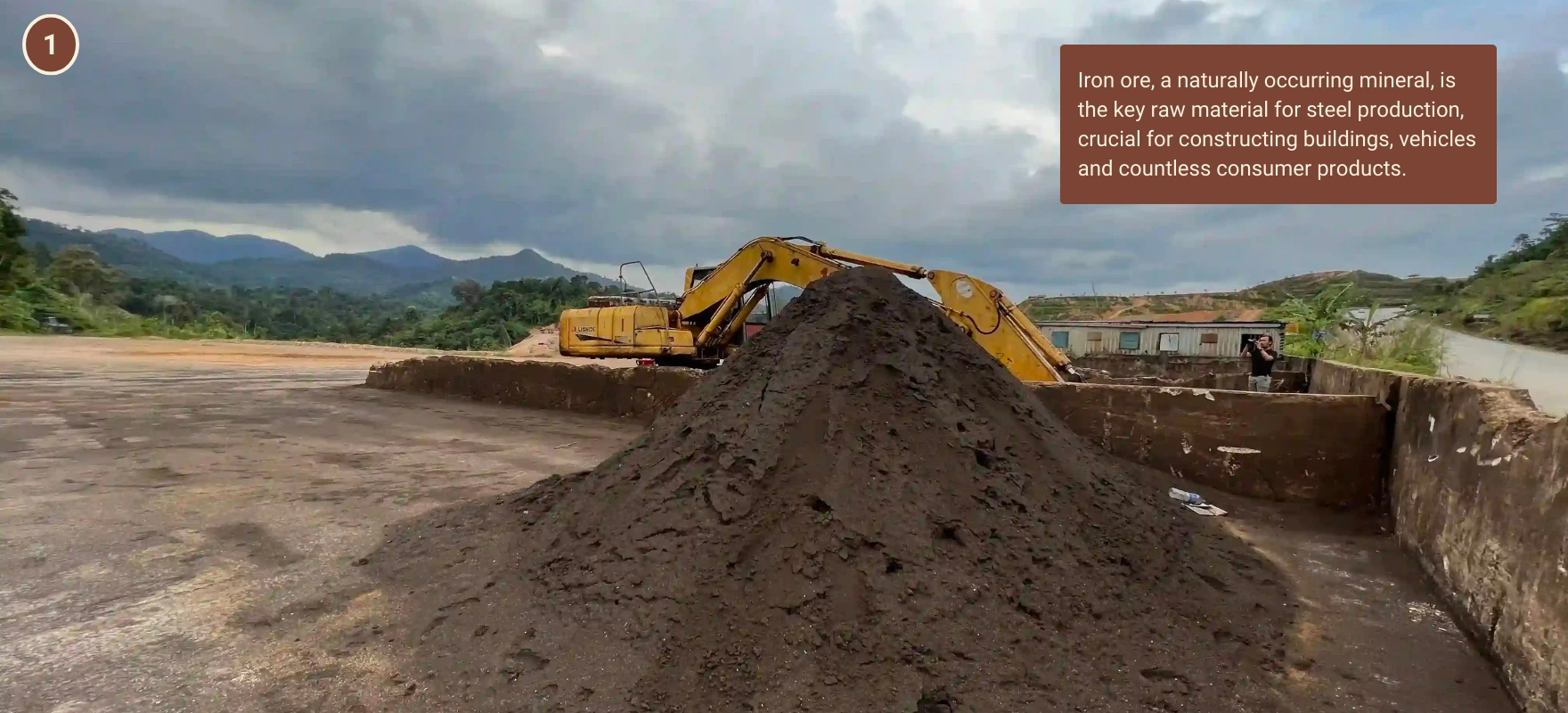
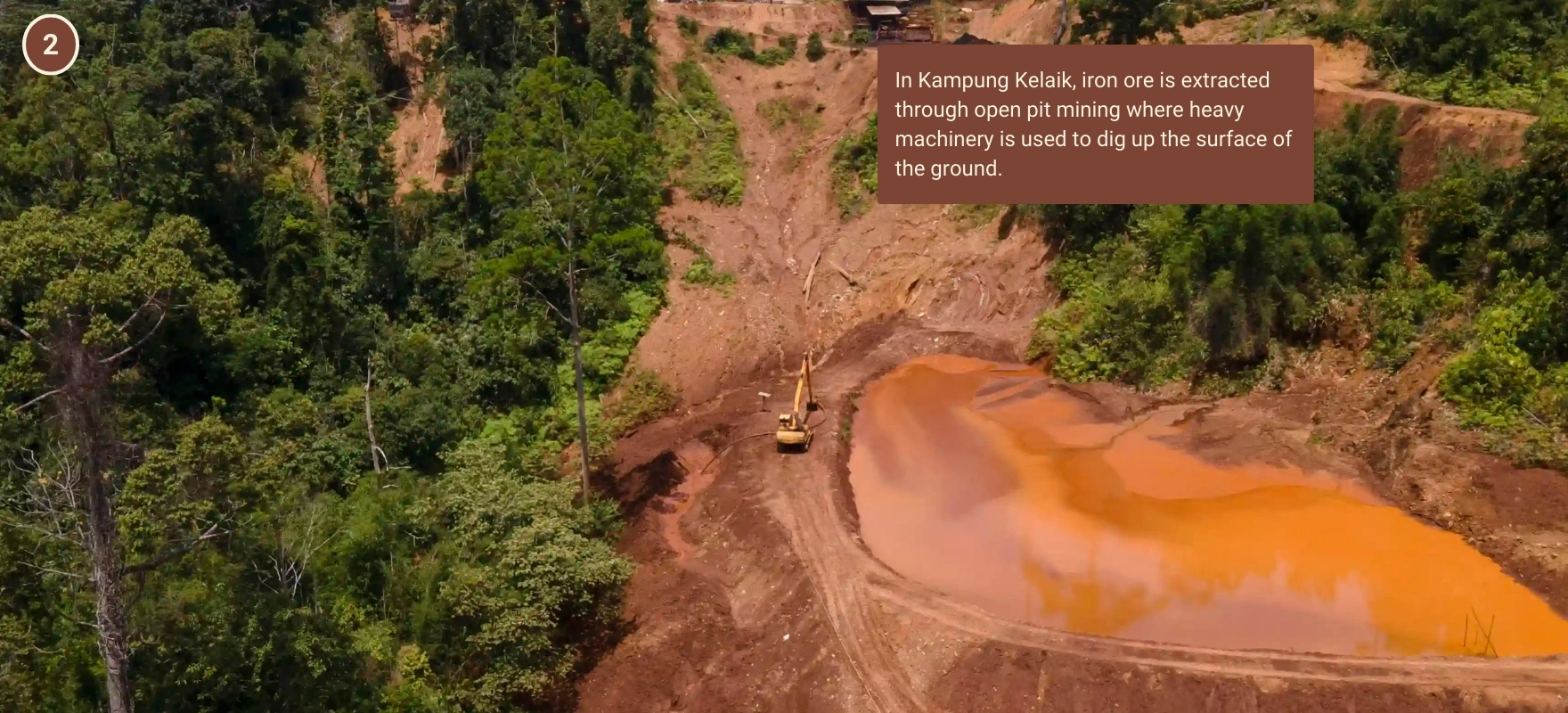
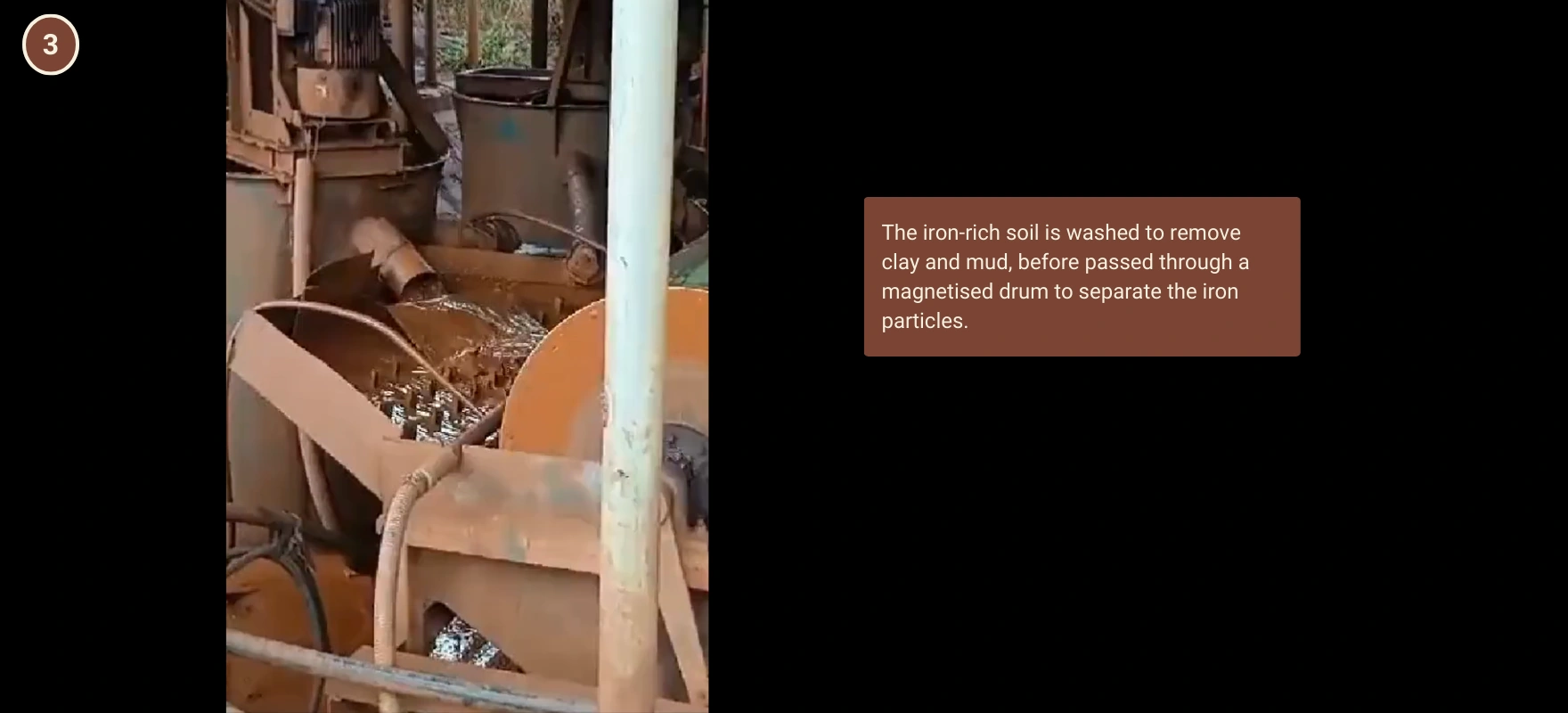
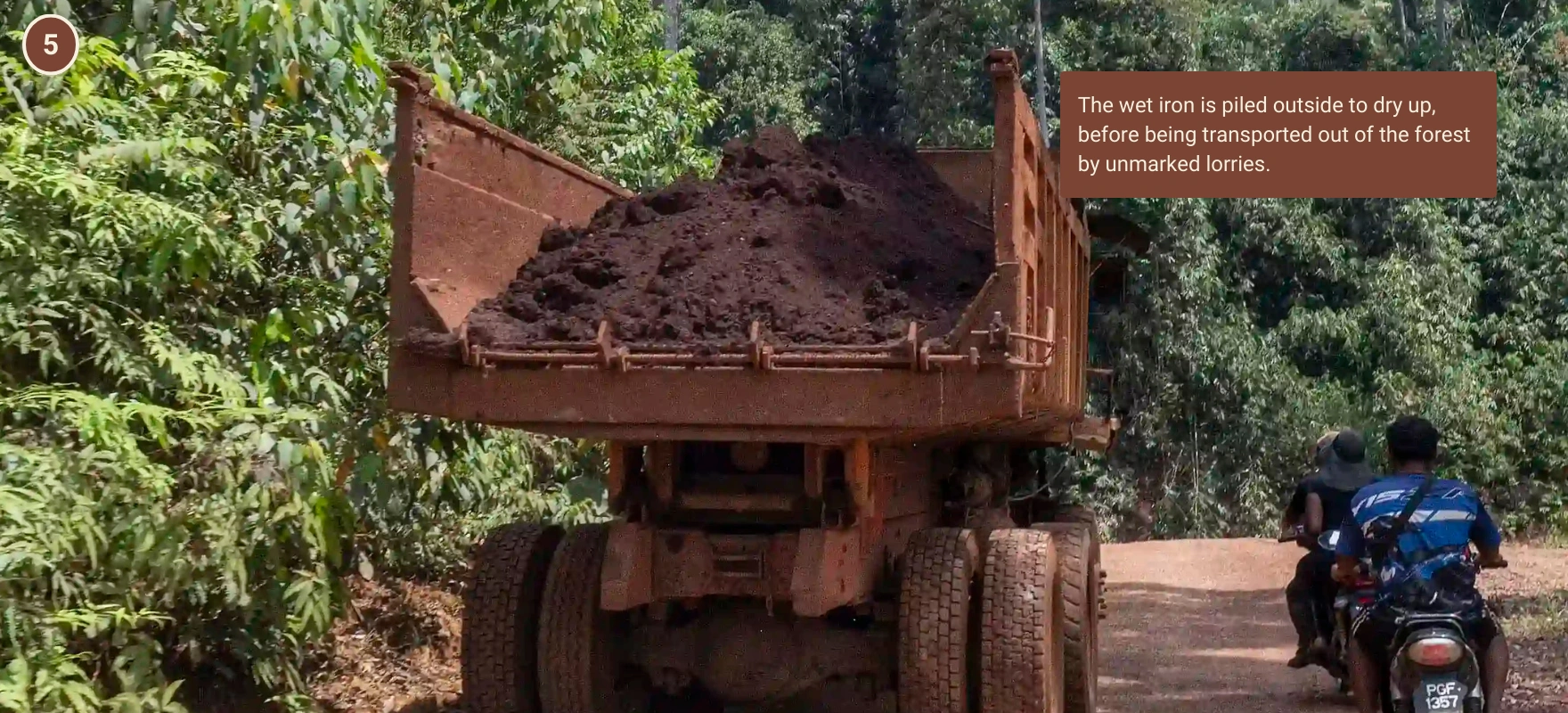
How is Iron Ore Mined?
Near Deaths of Children
Over the years since mining started, water carrying debris would come thundering down to Sungai Kelaik near the village, often without warning, Ahak said.
“During the rainy season, it was daily,” he said.
In 2013, two years before Angah died, children playing in the same river were nearly swept away in a similar incident.
But the mine operator at the time, Sterling Goldhill said it does not discharge iron tailing effluent into the river and reuses the water in mining operations.
Sterling Goldhill has wound up its business and the mine is now run by Redstar Capital Sdn Bhd.
When contacted, Redstar Capital manager Chu, reiterated that the mine doesn’t discharge water into rivers and reuses the water for mining operations. Chu was also attached to Sterling Goldhill.

But when visiting the site, Malaysiakini saw at least two points where water from Redstar Capital’s ponds were released into streams, with at least one via a water lock.
The other mine operator, Aqua Orion and the mine’s licence holder Syarikat Perlombongan Gua Musang, have yet to respond to Malaysiakini’s request for comment.
An 8km hike into Bukit Tambun from a nearby village reveals a once-thriving rainforest reduced to a muddy, uneven wasteland.
Juvenile trees are strewn across man-made ravines, hastily carved by unskilled migrant workers using excavators in a process locals call “cuci hutan,” or “jungle clearing”, where everything is uprooted and removed.
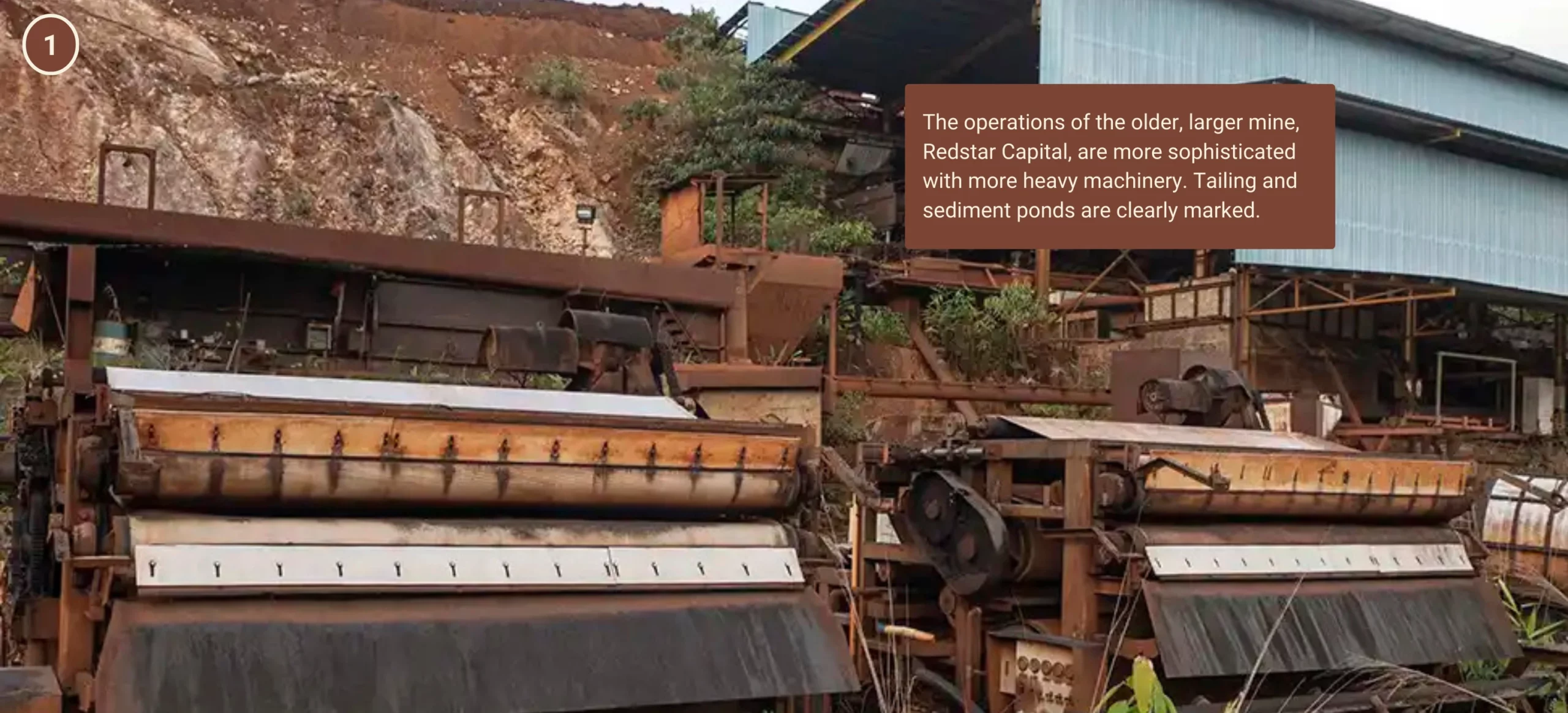
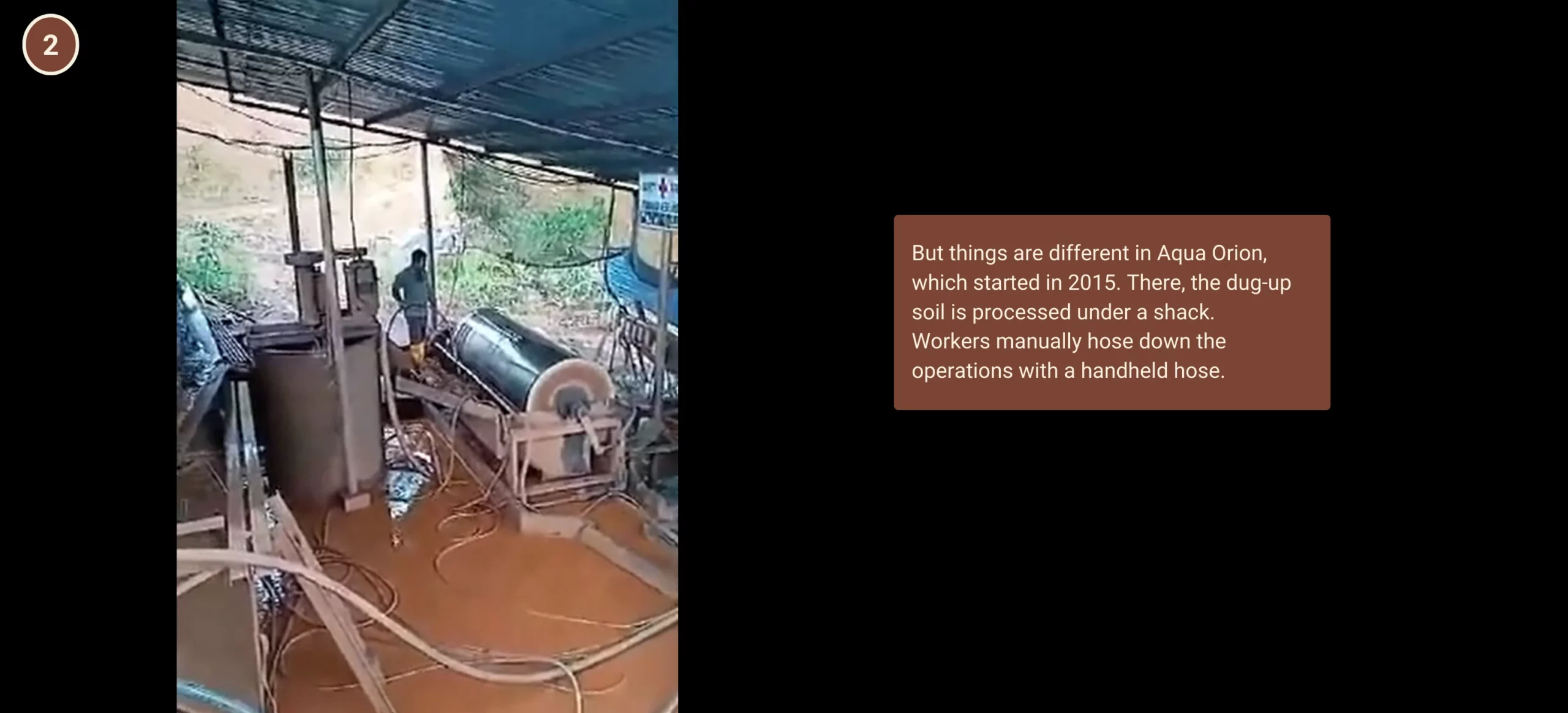
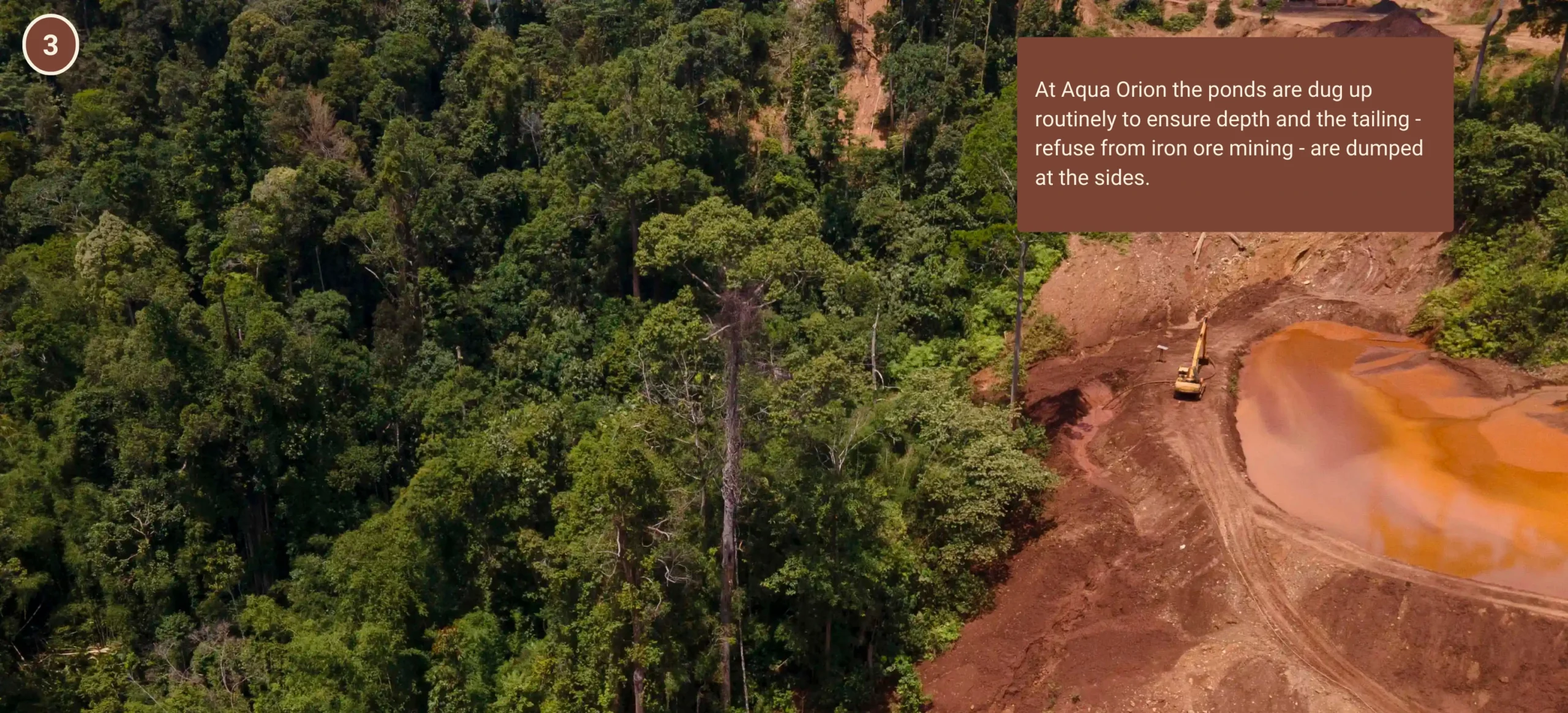
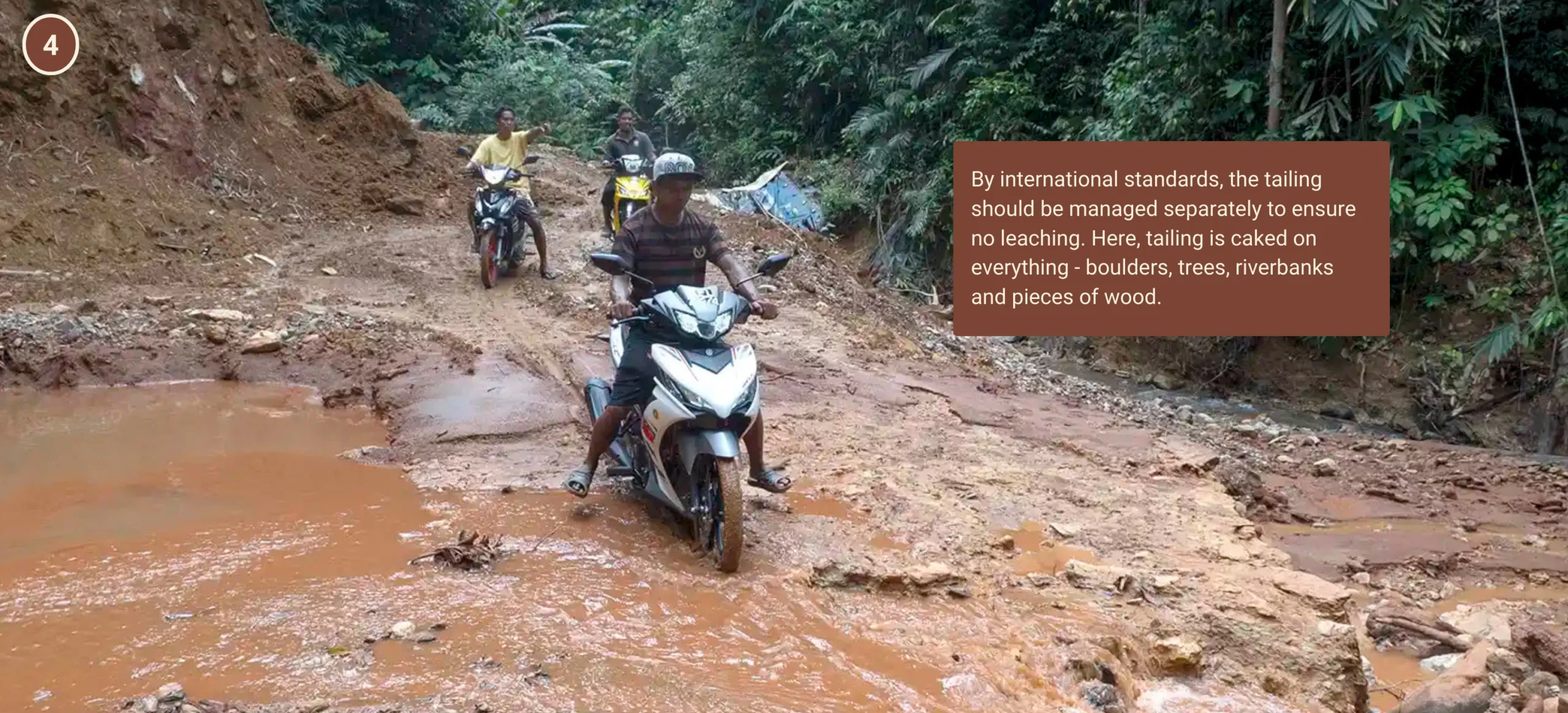
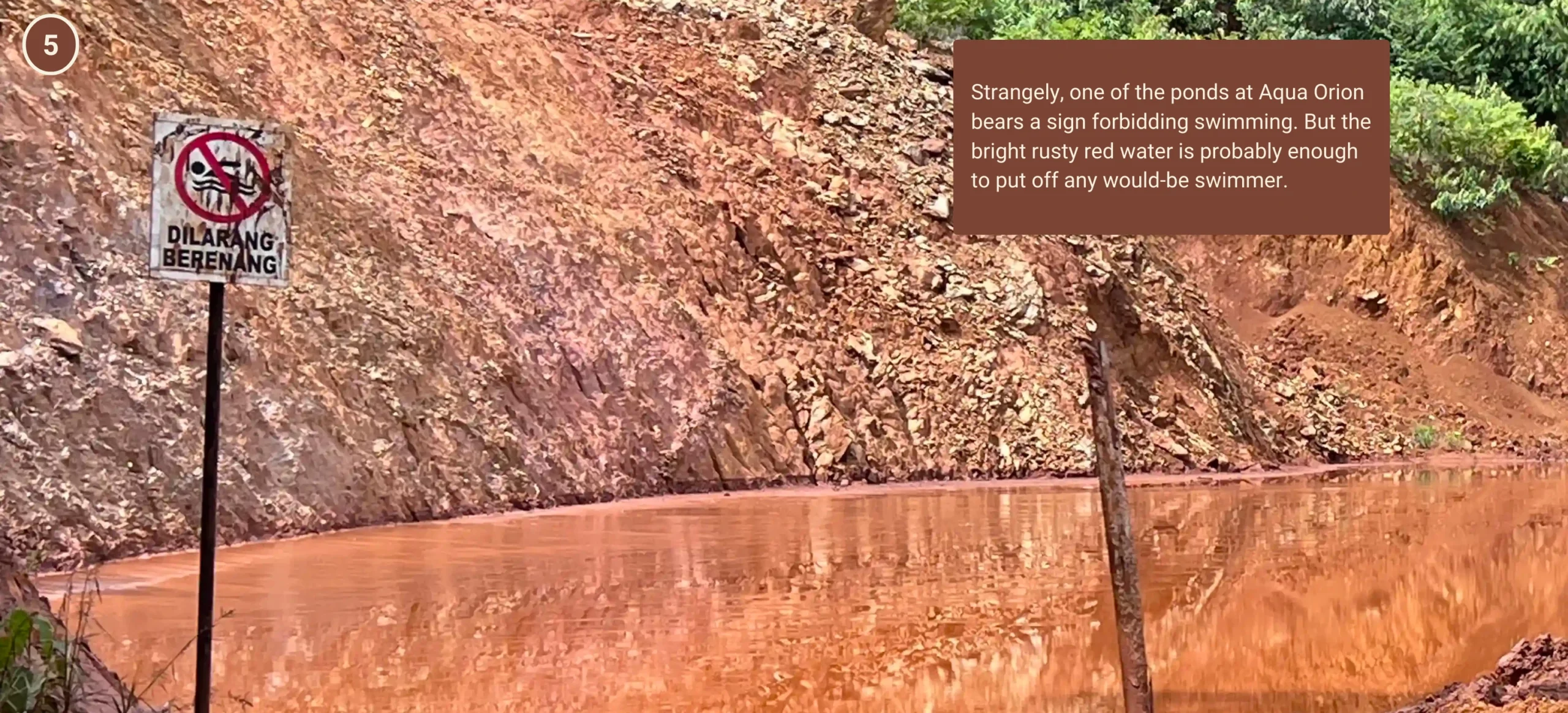
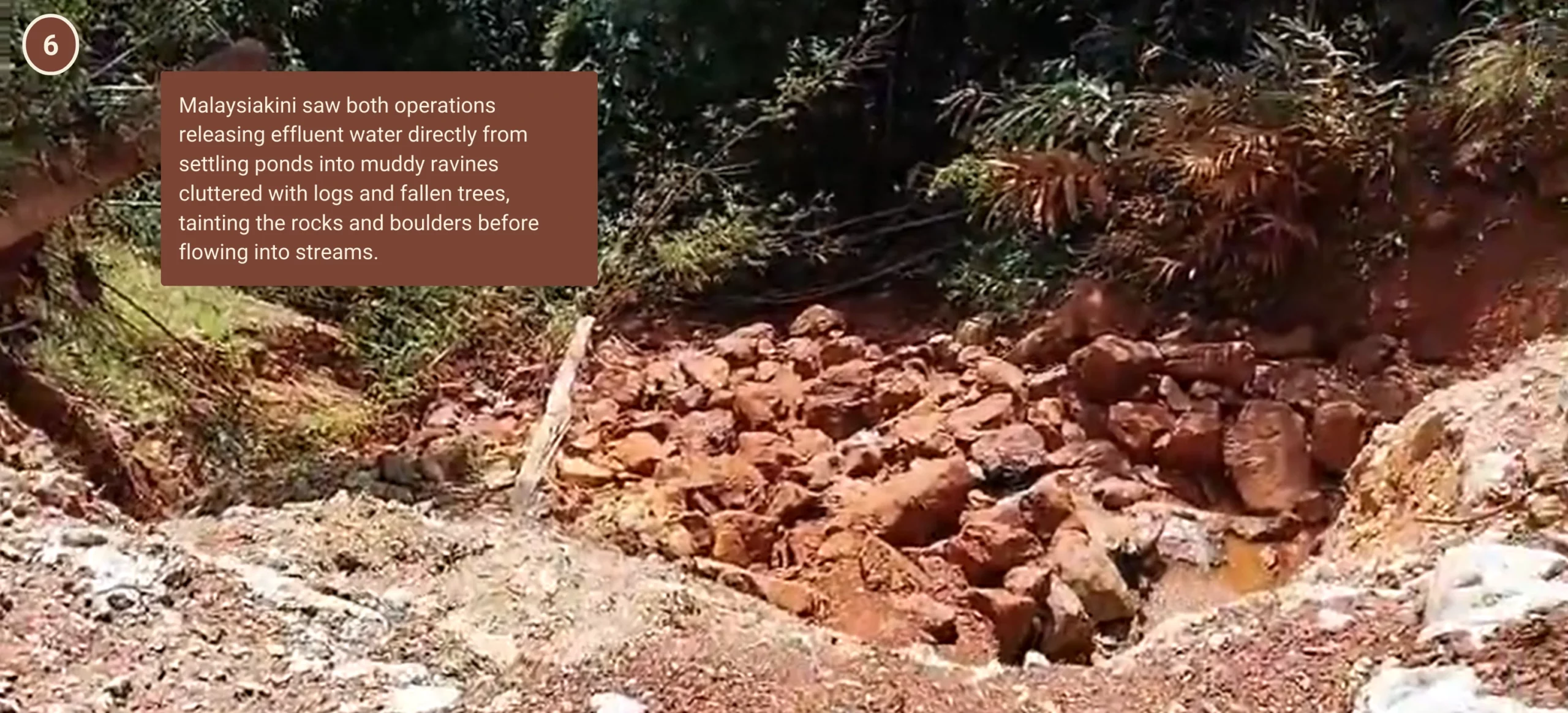
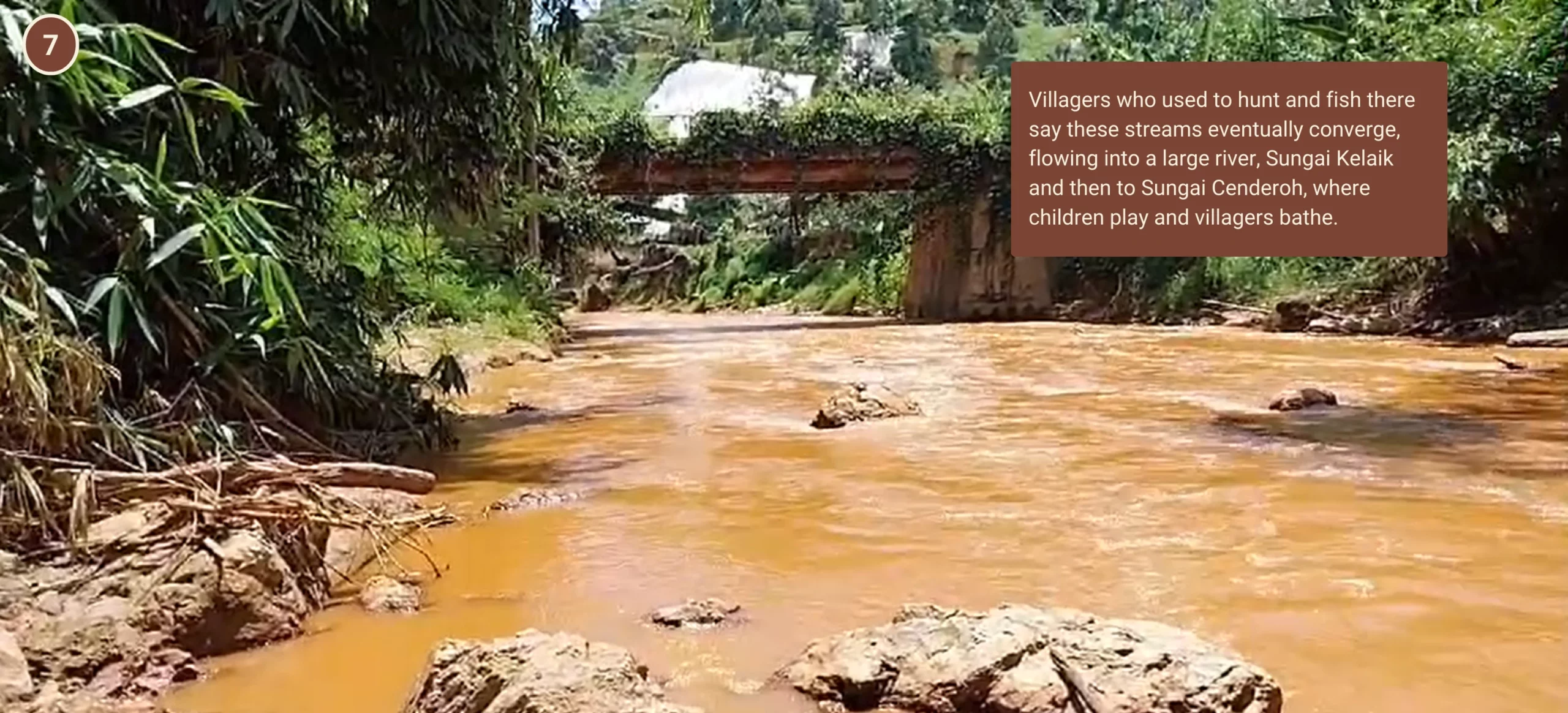
Due to the small size of the rivers that originate from the Bukit Tambun peak, both mines have dammed them to create enough catchment for their water-intensive operations, said Alai.
Licensees under the Waters Act 1920, can, under the supervision of the District Officer, construct infrastructure such as dams and pipes, provided they compensate landowners and remain accountable for any damage caused.
The Act regulates water diversion and construction near rivers to protect water resources and manage flood risks, outlining clear guidelines on licensing, liability, and penalties.
Because of the damming, during the dry seasons, the rivers dry up to become smaller streams, villagers say.
When met, the district officer Nik Raisman Daud said he would instruct the relevant department to inspect the mining sites and investigate allegations of irregularities.
Malaysiakini has also contacted the Environment Department, Geosciences and Mineral Department and the Orang Asli Development Department for comment.
Heavy metal levels in fish and ferns
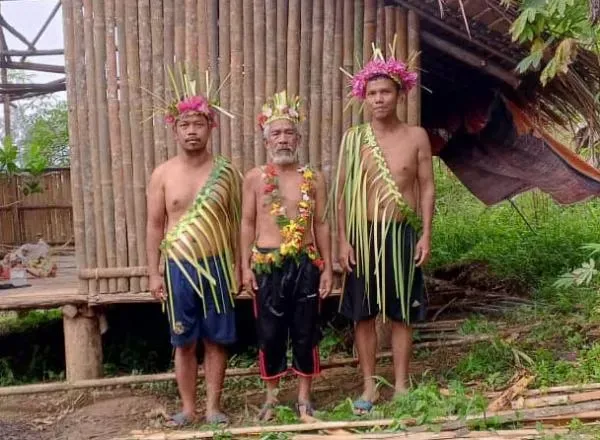
“We are forest people; we live off what the land gives us,” said Ahak.
But the forest, now ravaged, can no longer provide. The tainted river is no longer teeming with fish, their main source of protein.
Catches are small, and even frogs caught on the riverbanks have a rusty muddy film on their skin.
Jungle herbs that once thrived are also now scarce and daily life is more dangerous – encounters with displaced wildlife have become common.
A test conducted on a local fish, ikan sia – a common source of protein – revealed it to be a potent meal for anyone.
Iron readings of 45.10mg/kg were 22 times higher than the legal limit of 2mg/kg in food, set by the Food Act 1983.
It also contained a slightly higher-than-normal level of chromium and a higher-than-normal level of manganese compared to most freshwater fish.
Ferns, typically growing near riverbanks, had iron levels as high as 21.80 mg/kg, more than 20 times the limit set for iron in food, according to the Food Act.
However, Ahmad Abas Kutty from the Earth and Environmental Sciences Department, Universiti Kebangsaan Malaysia (UKM) cautioned that this is not conclusive evidence that it is due to the iron ore mining.
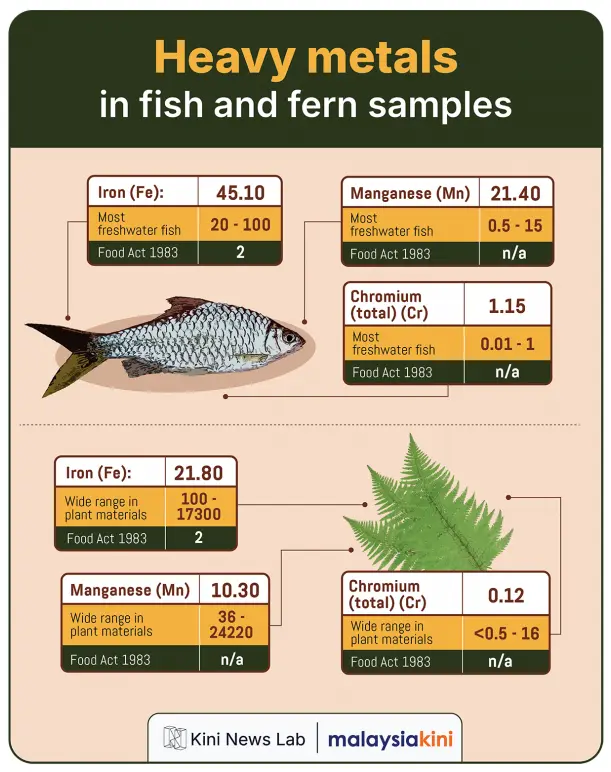
He said although the iron levels in the fish from Kampung Kelaik are higher than the food standards, it is comparable with many freshwater fish.
“Iron levels found in freshwater fish range between 20mg/kg – 100mg/kg,” he told Malaysiakini.
Lawsuit on encroachment of native land
The test results are all compiled as evidence as the Kampung Kelaik residents try to take their matter to the courts again.
Between 2022 and 2023, they tried to seek a court injunction to stop everything that changed the landscape of the entire 8,000ha of their ancestral land – the logging, the palm oil and durian plantations and the mines. But they failed.
Undeterred, they have filed a lawsuit against 10 companies, the state government and three agencies against encroachment into their native land, crowdsourcing legal costs and support.
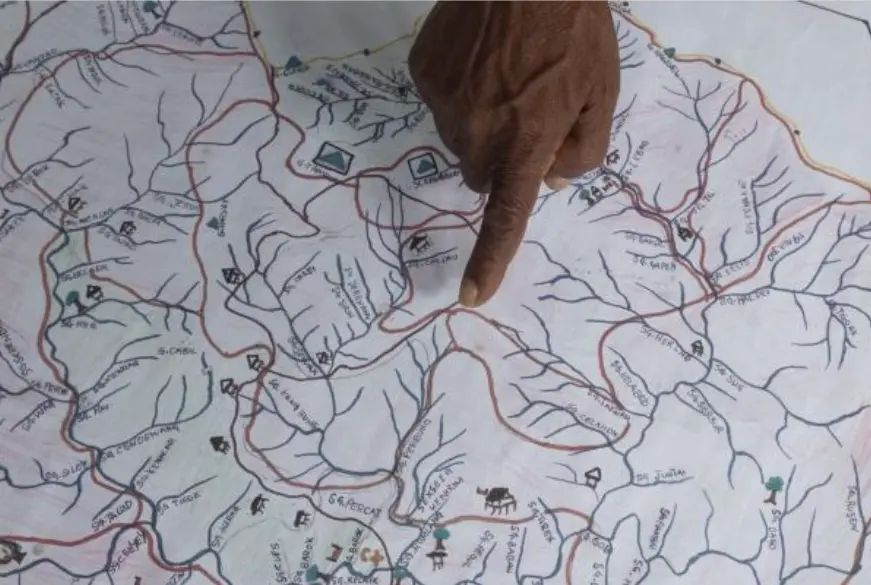
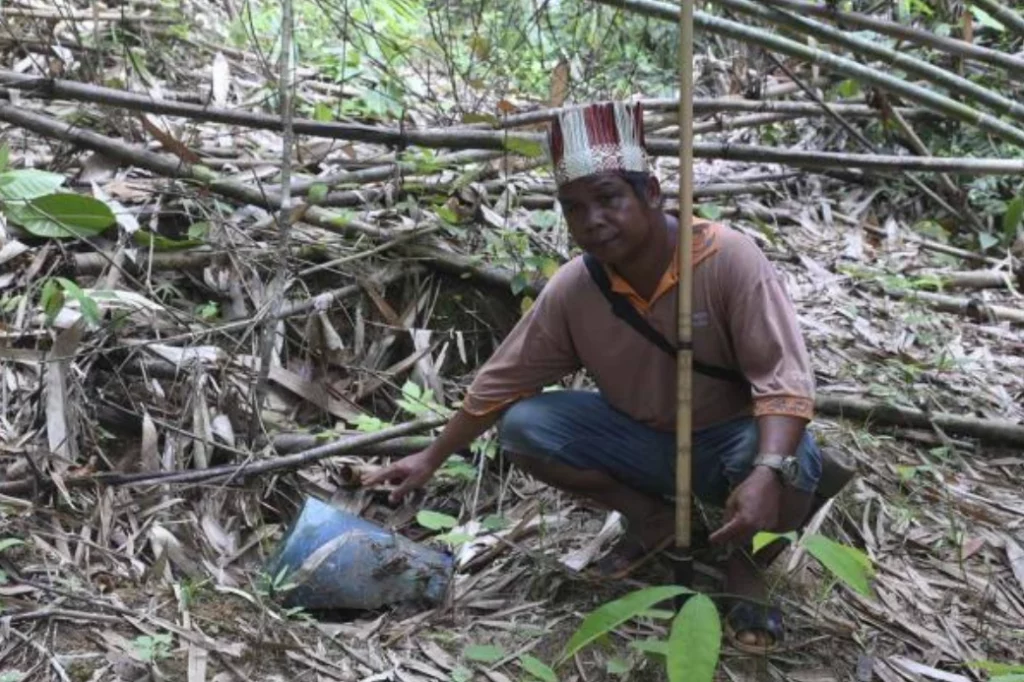
Using GPS technology, Ahak and the villagers have painstakingly marked out the boundaries of their native land.
Spreading open a hand-drawn map of their land, Ahak reveals how he has shaded in red about 80 percent of the 8,923.9ha that makes up their native land.
Those areas have already been encroached on by iron ore mining, oil palm and rubber plantations, forest plantations and Malaysia’s largest Musang King plantation.
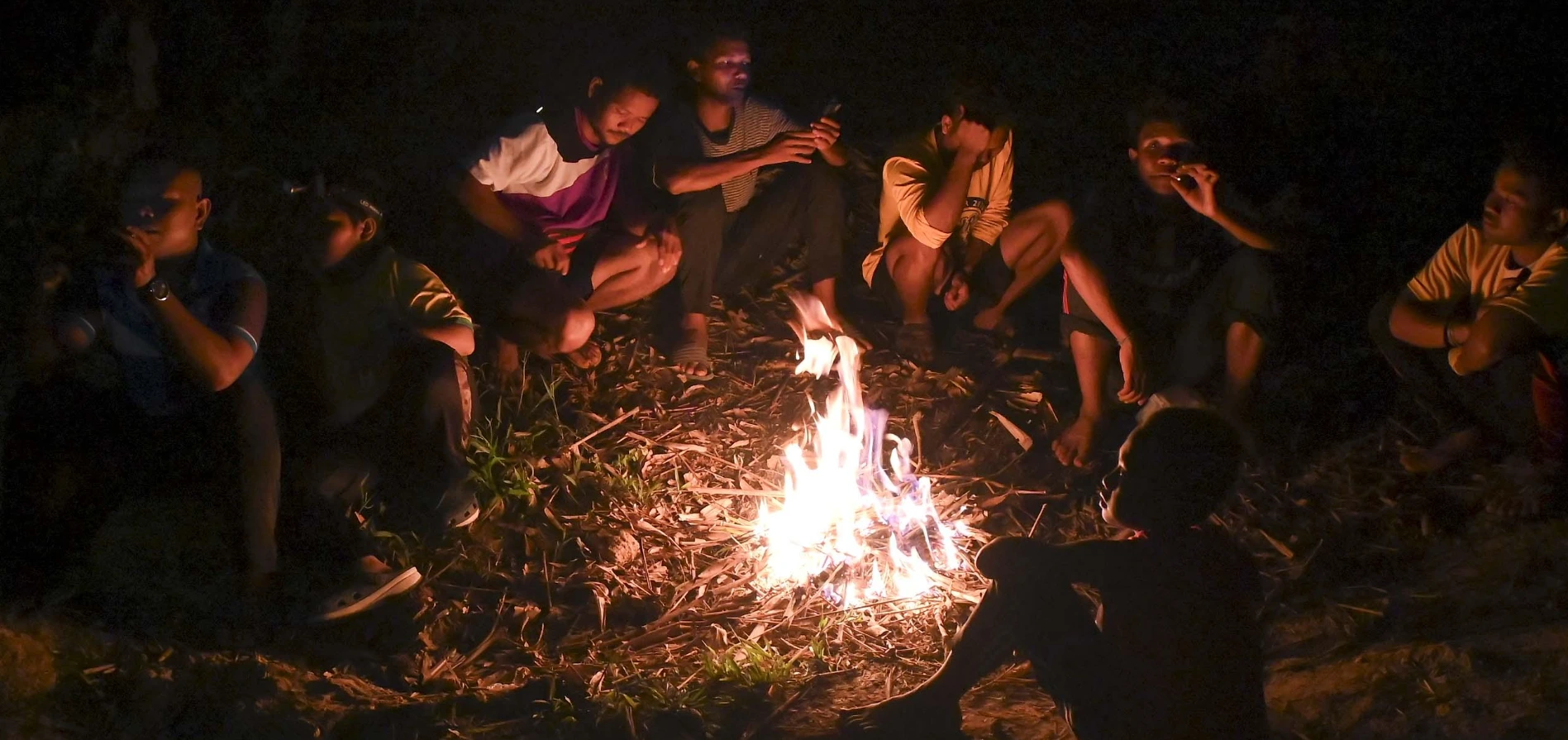
Disappearing way of life
One of the claims they make in their lawsuit is a loss of their native way of life because of the mining, logging and plantation activities. To outsiders, the trees felled are just logs but to the villagers, they are family heirlooms, markers of hunting trails.
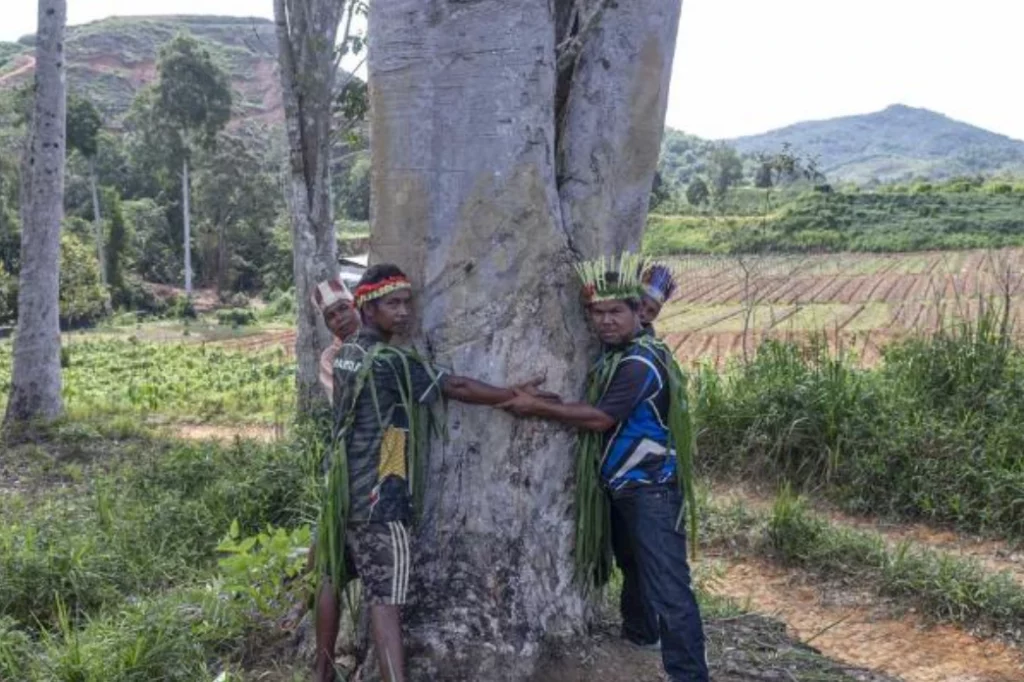
When each of them is born, a tree is planted for them. Villagers could point out which tree belongs to whom, and which have been passed down for generations.
The trunk of one inherited rubber tree, planted at least 80 years old, was so large that it took four adult men to wrap their arms around the circumference.
But many of these heirloom trees were logged or bulldozed without consent, they said. The clearing and activities have also desecrated burial grounds.
Standing by a dammed river near the top of Bukit Tambun, Alai points to the ravine where the river once flowed. It used to be a favourite camping spot when he hunted with his late father.
“Sometimes we stayed for a month, hunting and living in the dense rainforest, and there were no dirt roads back then.
“Food was plentiful, and we used to catch fish as big as these tree logs,” he added, gesturing to the forest they once trekked through on foot.Now Bukit Tambun is slowly disappearing as excavators continue to chip away at the iron-rich soil.
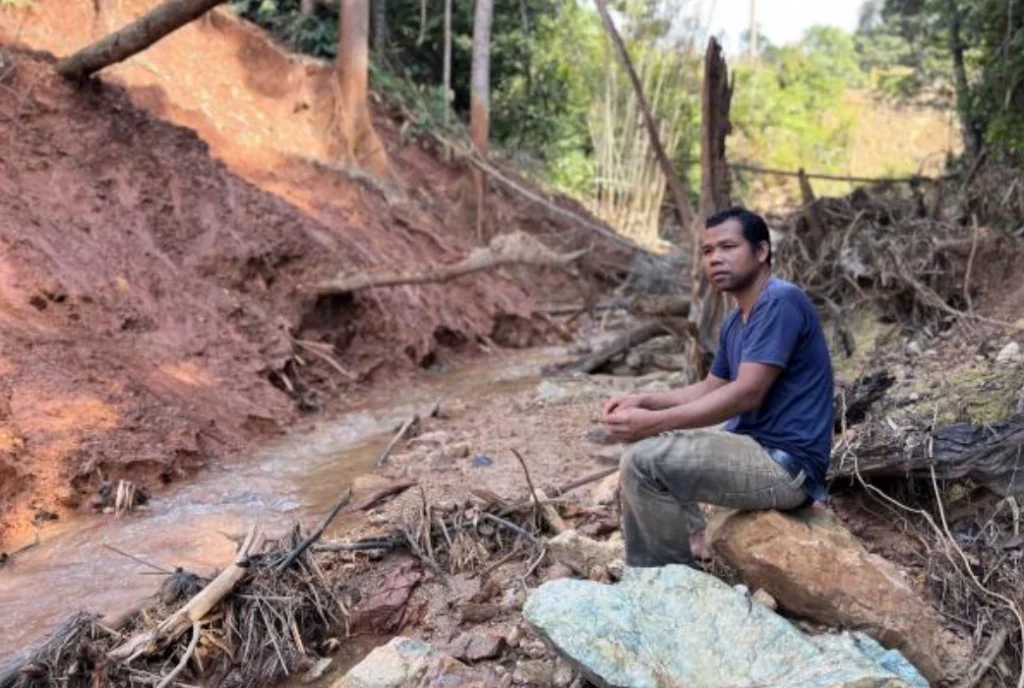
Now, at the spot about 7.7km uphill from the nearest village, those logs are staked into the ground, along with others, used as spikes to reinforce the dam wall against landslides.
At the edge of the larger mine, Alai points to a one tree amid the scarred landscape, its low-hanging fruits once useful for trapping birds.
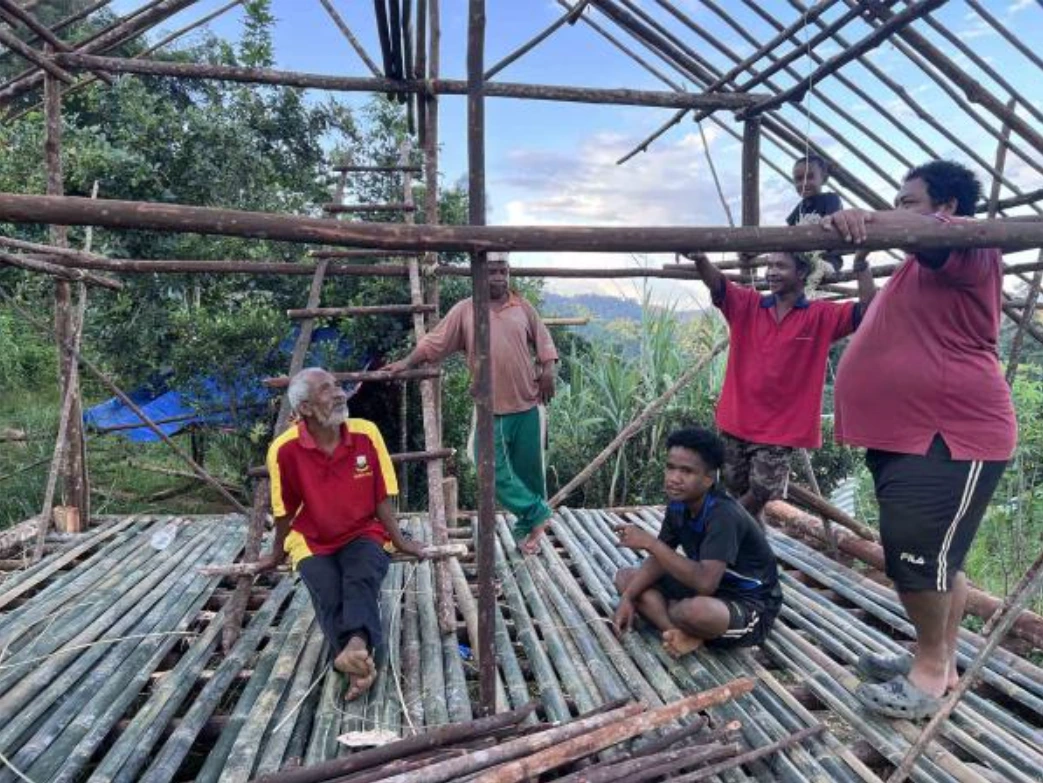
Robbed of heritage, robbed of future
But the roar of the heavy machinery had driven wildlife away, and many villagers had to seek work at the mine, to earn money to buy provisions they once hunted or foraged.
The mining has not just robbed the villagers of their heritage and way of life. It may also rob them of their future.
For Azlan, the teenager whose blood chromium levels were four times the normal range, it means an estimated 64,000 times higher chance of developing cancer in his lifetime.
Chemical health expert, How, estimates that six percent of villagers who have the same exposure as Azlan could face the same dim outlook.
The lawsuit is their final hope to make it all stop.