
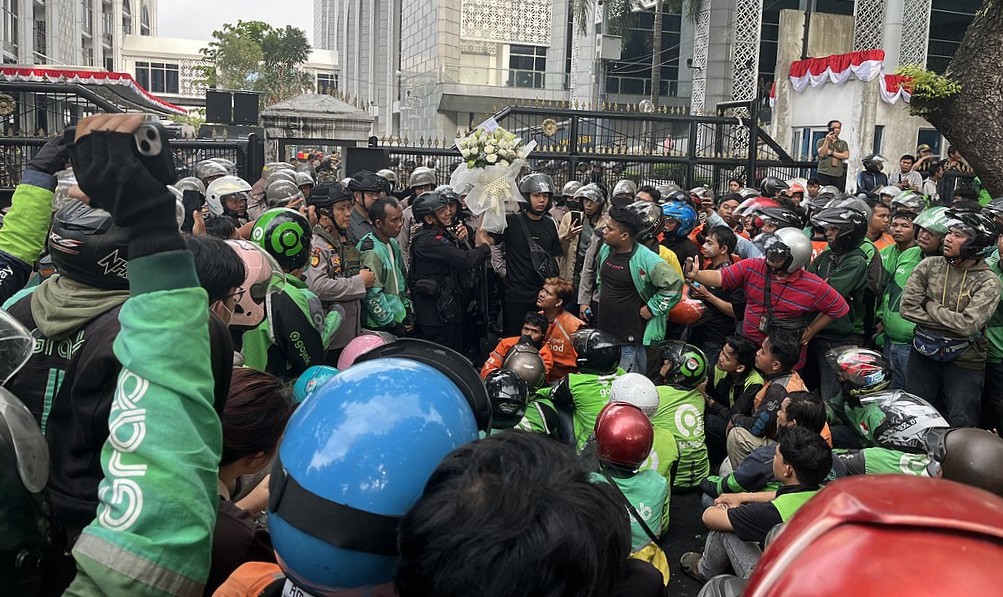
In late August 2025, years of frustration against institutional malfeasance culminated in protests, demonstrations, and violence across Indonesia, the world’s third-largest democracy. The week-long turmoil eased only in September, after the scale of the unrest compelled the government and lawmakers to introduce changes, which rights groups and activists say fell short of meaningful reform.
The widespread protests began on August 25, after it was revealed that Indonesian lawmakers had been receiving a monthly housing allowance of Rp 50 million (approximately $3000) over and above their salaries since October 2024. This amount is 10 times the minimum monthly wage in capital city Jakarta and 20 times the minimum wage in economically weaker areas of the country.
View this post on Instagram
In a country with a long history of corruption and authoritarian rule, racked by economic instability and rising costs, the revelation of this exorbitant perk sparked a fresh wave of outrage across the nation. This came at a time when the government was implementing austerity measures, including cuts to education and healthcare.
The public outcry escalated when a 21-year-old food delivery driver, Affan Kurniawan, was run over by a vehicle belonging to the nation’s elite paramilitary police unit at the protest on August 28.
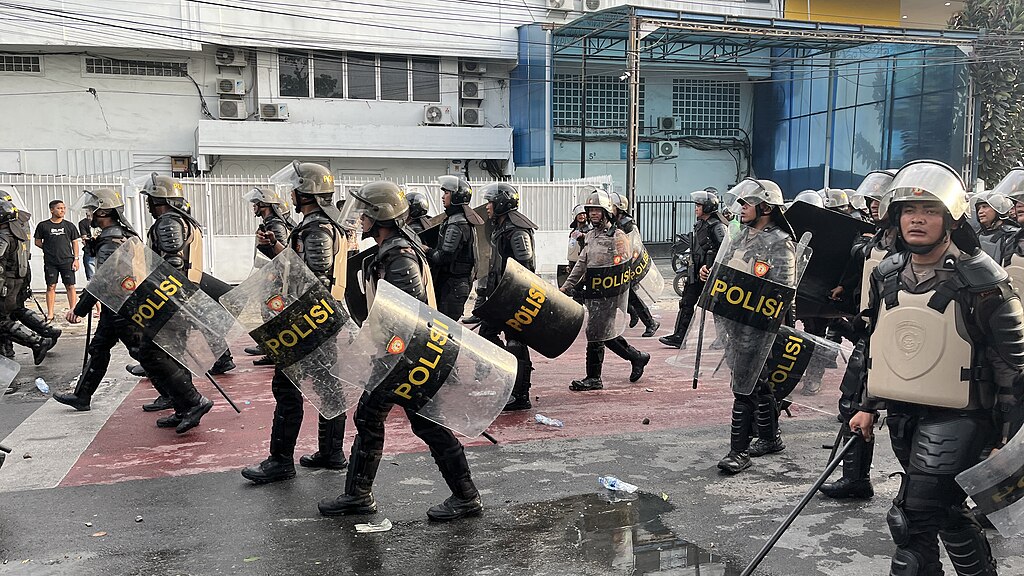

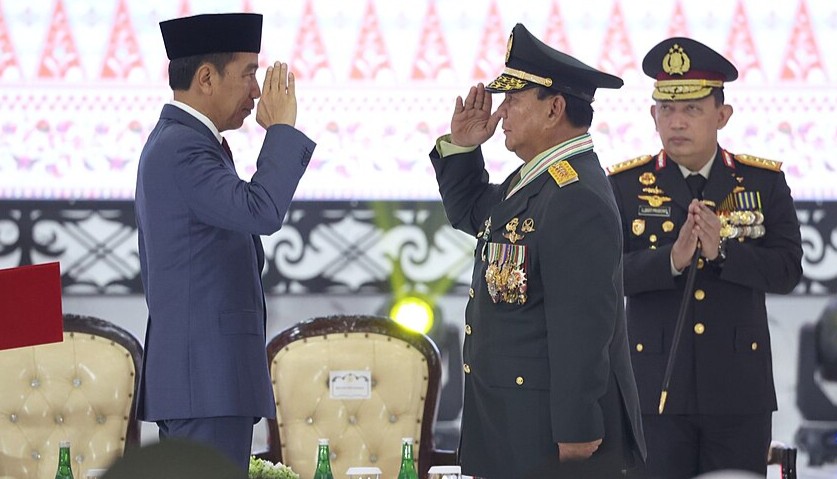
Indonesia’s National Police (Polri) Chief General Listyo Sigit Prabowo issued an apology to Kurniawan’s family and assured an investigation into the case. Investigation into the incident was also assured by President Prabowo Subianto, who initially called the protests “treason and terrorism”.
On August 31, following the protests, Subianto announced that the parliament had decided to scrap housing allowance and suspend overseas trips.
The week-long clashes between protesters and police and military led to the death of at least ten people, and 44 others remain missing.
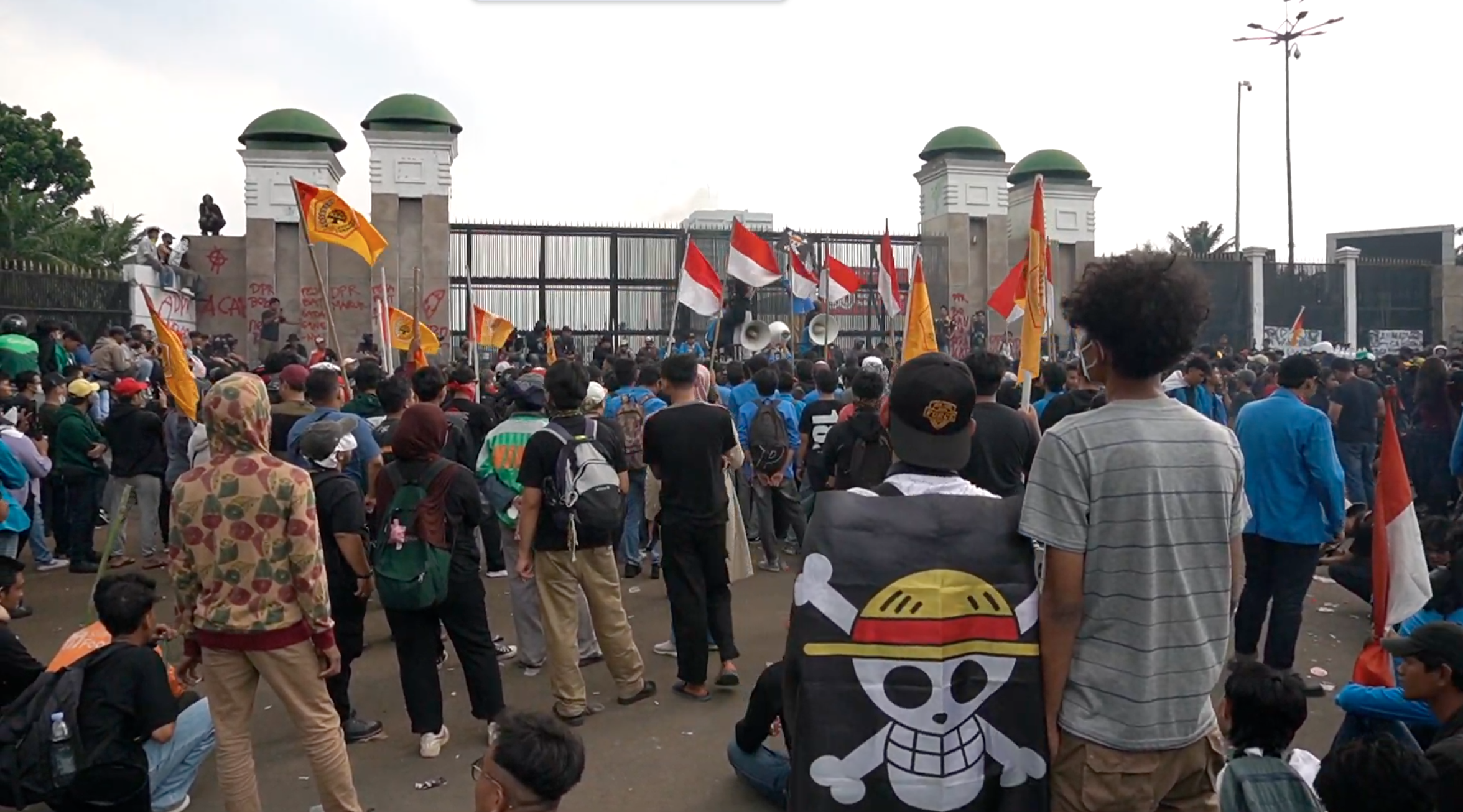
Although the tension has eased over the last week, demonstrations continue, primarily led by student groups in Jakarta.
Demands and Government Action
By early September, the “17+8 Demands” campaign gained influence across the protest movement. Compiled using statements from civil organisations and unions, the campaign lists 17 short-term demands such as releasing detainees, freezing lawmakers’ perks, equitable wages, and eight long-term demands to address corruption and induce institutional reform.
However, senior activists who have been voicing concerns for years, have expressed distress on social media, saying that the 17+8 demands lacked consultation with wider civil society.
Meanwhile, the government and the lawmakers have addressed some of these demands, such as detailing parliamentarians’ “take home pay” and beginning the release of political detainees. But significant action is yet to be taken toward many other demands.
On September 9, in a sudden reshuffle of his Cabinet, Subianto replaced five economic and security ministers, including Finance Minister Sri Mulyani Indrawati, former executive director of the International Monetary Fund and managing director of the World Bank. However, the newly appointed Minister of Finance Purbaya Yudhi Sadewa, has made dismissive comments about the “17+8” campaign after he was sworn in.
History of Protests
Over the last two years, there have been many waves of mass protests and demonstrations against controversial moves by Indonesian governments.
In August last year, thousands of people took to the streets after the government attempted to change an election law to favour the dynastic coalition led by former President Joko “Jokowi” Widodo, and current President Subianto.
In February 2025, student-led ‘Dark Indonesia’ protests took place in Yogyakarta, Jakarta, and Medan. Sporadic protests continued throughout the year over controversial government policies, budget cuts, against the increased re-involvement of the military in civilian matters, economic inequality, the Gaza genocide, government and police corruption, and more.
READ: Indonesia’s New Capital: How Jokowi Uses Extravagant Promises to Lure Investors
Police and military have been accused of using disproportionate force during the latest protests, prompting the United Nations to call for an investigation. Seven officers were detained in relation to Kurniawan’s death and one of them was dishonorably discharged.
Although the situation seems to have abated, the foundational issues causing nationwide tensions haven’t been addressed by Subianto’s government. Subianto, a former special forces commandant, has established 100 new battalions since coming to power less than a year ago in October 2024, with plans for much more.
The new battalions are allegedly to assist in civilian domains like agriculture, husbandry and food security. These battalions, along with the passing of a law allowing armed forces personnel to hold more civilian posts, have signalled a return to Indonesia’s “New Order” era, a dark period of authoritarian rule in Indonesian history led by military dictator Suharto. Subianto is Suharto’s former son-in-law.
However, Prabawo is not the first since Suharto to be accused of undermining Indonesia’s democracy. His predecessor, Joko Widodo—elected in 2014 as a “man of the people”— left behind a tainted legacy of corruption and nepotism.