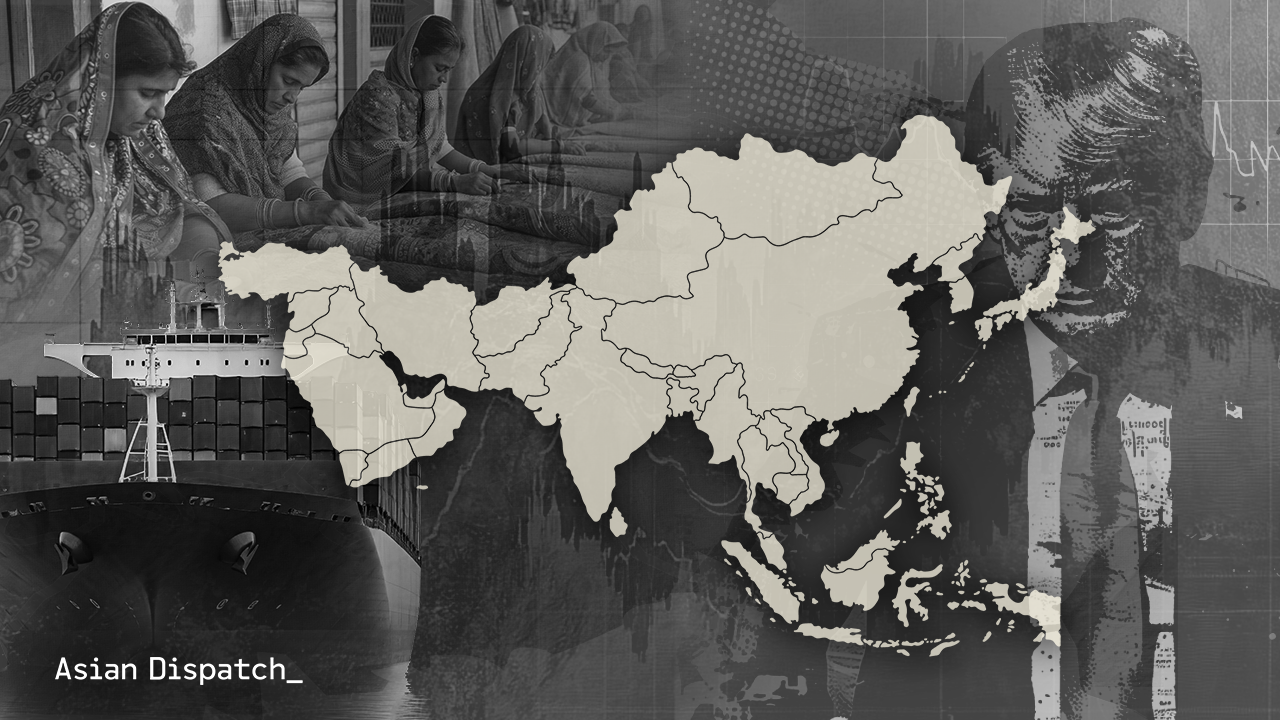
Several Asian countries with large exports to the U.S. have been hit with high tariffs. Graphic: Shivansh Srivastava
For decades, the global supply chain and markets have been considered an enterprise utopia, until the U.S. trade tariffs imposed earlier this year forced a reckoning onto many countries of the world. There are cracks in a system reliant on an ever-expanding global production and consumption model, and as the labour nucleus of the world, Asia has been hit heavily.
Several Asian countries with large exports to the U.S. have been hit with high tariffs: 20 percent on Vietnam, Sri Lanka and Bangladesh, 19 percent on Cambodia and Pakistan, 15 percent on Japan and South Korea, among others. India currently faces the highest tariff rate at 50 percent, with a 25 percent punitive element for its oil trade with Russia.
John Beirne, principal economist with the Asian Development Bank (ADB), says that these tariffs have been the highest, even when compared to the Great Depression of the 1930s. He adds, “This uncertainty around trade policy poses significant challenges to external demand and investment in Asia.”
ADB lowered its growth forecast for Asia in its Outlook report published in July from 4.9 percent to 4.7 percent in 2025 and 4.7 percent to 4.6 percent in 2026. The institution notes, “The downgrades are driven by expectations of reduced exports amid higher United States (U.S.) tariffs and global trade uncertainty, as well as weaker domestic demand.” The other risks include the conflicts and geopolitical tensions in the region that could potentially disrupt the global supply chain.
Despite these threats, Beirne believes that the intra-regional supply chains within Asia will only be strengthened by this challenge. This belief in the regional reliance of Asia is echoed by Ajay Srivastava, founder of Global Trade Research Initiative, a Delhi-based think tank.
Most industrial goods are produced in China and some other ASEAN countries, or India at a smaller scale. Asian countries are many times more self-reliant than Western countries, which depend on Asia for sourcing goods and services. – Ajay Srivastava, Former Trade Negotiator, Indian Ministry of Commerce.
For instance: India, which exported over $87 billion worth of goods to the U.S. in 2024, may have been hit with the highest tariff in Asia, but experts believe that the nation could absorb the shock after some upheaval, especially if U.S.-India trade talks lead to lowering of tariffs.
The country’s growing domestic demand, supported by tax reforms, could potentially offset some gaps left by the reduced U.S. exports.
But only increasing domestic demand cannot do it all.
“While India’s middle class is expanding rapidly, fragmented logistics, limited access to finance, and policy-driven import restrictions constrain the ability of producers to scale and compete. These constraints reduce the capacity of even large economies to absorb external shocks through domestic demand,” a recent UNDP report on the shifting trade landscape in Asian states.
Noting similar challenges for China, the report stated that digital platform-driven domestic demand restricts broader participation because of market concentration, regulatory constraints, and urban-rural divide.
Export-centric economies such as Cambodia and Vietnam are much more vulnerable. In 2024, exports to the U.S. constituted 29 percent of Cambodia’s GDP and 30 percent of Vietnam’s.
As per the UNDP report, Cambodia could lose more than half of its export to the US, translating into a contraction of over one-third of its total export sector. Vietnam could face a one-quarter drop in U.S.-bound exports.
Thailand, Malaysia, and Sri Lanka are also vulnerable to their respective tariffs. The Asia-Pacific region faces an overall 6.4 percent decline in total exports to the US, with Southeast Asia hit the hardest at 9.7 percent.
Intra-regional supply chains and regional trade in Asia have been growing steadily, but with each country dealing with their domestic impact, none can solely rely on the other in the immediate future. However, experts say that in the long-term these intra-regional supply chains could “strengthen ASEAN’s resilience to external shocks”.
Who is Impacted the Most?
The reciprocal tariffs are likely to disproportionately impact export-heavy industries such as textiles, jewellery, and carpets. Any impact on the output will have a direct impact on the workers. In Asia, workers in such sectors are largely informally employed, with no access to health or pension benefits.
Workers in Karnataka, a southern state in India, are already anticipating layoffs as orders are being lost. The state employs over half a million garment workers. Textiles and apparel are the two sectors in India with a dominant female workforce.
The threat of job loss is costing workers — in an overexploited sector — their limited negotiating power.
Even when the situation was good, these workers were only being paid the minimum wage of INR 10,000 rupees [$112] per month, and we have been fighting for more. Now with these tariffs, we won’t have that voice also. – Pratibha R, President, Garment and Textile Workers’ Union (GATWU).
“Whatever has happened at the international big level will only affect poor workers, poor female workers,” she adds.
In Cambodia, vulnerable export regions such as Phnom Penh, Kampong Speu, and Svay Rieng, are also home to many low-income and female workers in export-linked industries. In Vietnam, migrant and female workers form the majority of the labour force in provinces such as Bac Ninh and Ho Chi Minh City, as per the UNDP report.
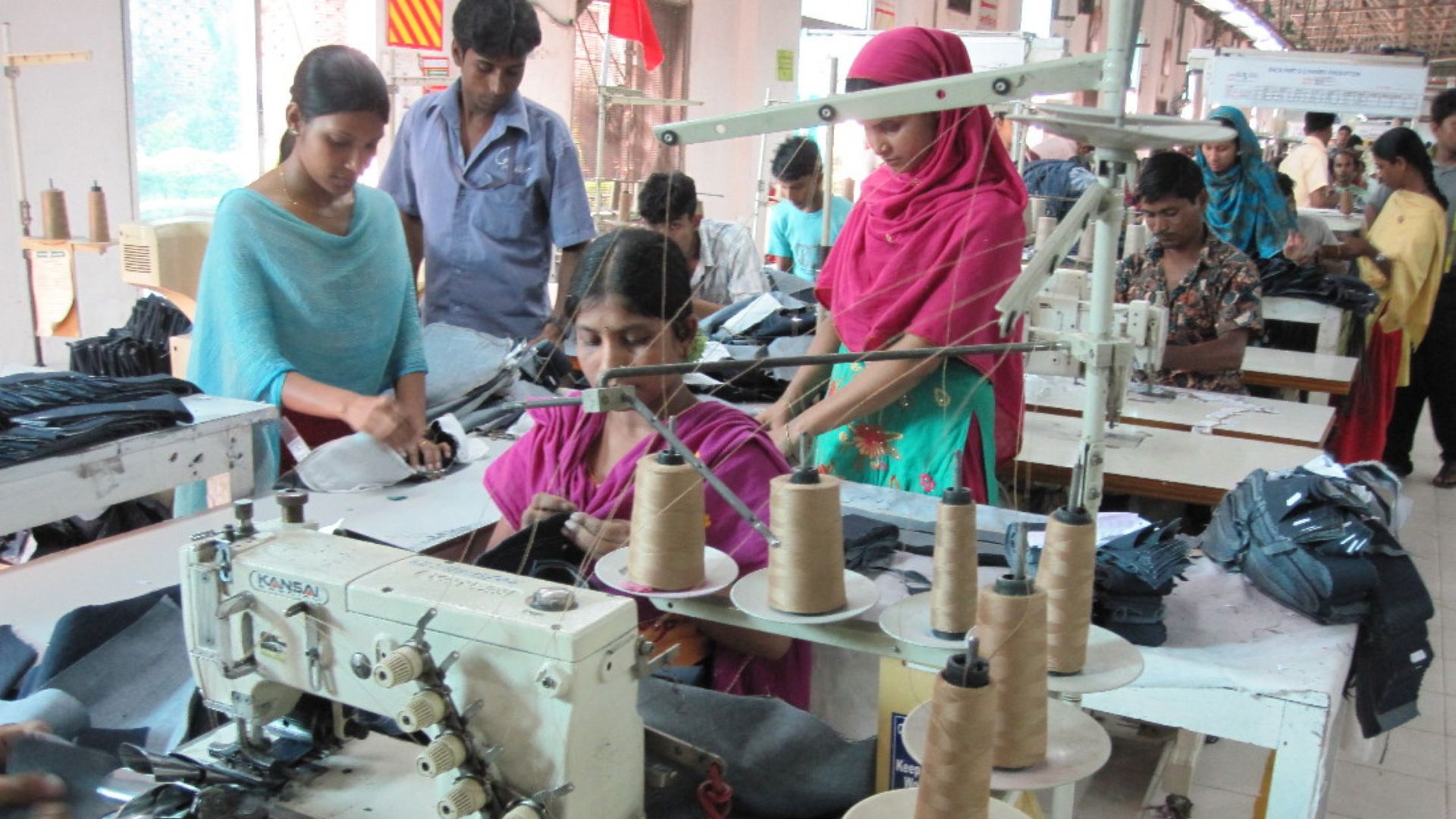
Textile workers in a factory outside Dhaka, Bangladesh. Photo: Mona Mijthab/Wikimedia Commons

By distributing the burden of tariffs between workers, consumers, and the profit margin, larger corporations may be able to absorb such a shock to the global supply chain. But it’s the small manufacturers, importers, and exporters who will be most affected.
“A giant like Walmart or Costco or some of these big buyers, will continue to have larger capacity to negotiate better prices to absorb the tariffs and so on, while smaller players will not have so much elbow room. I think SMEs [Small and Medium Enterprises] all over the world are going to face the impact of the tariffs to a larger extent than larger groups,” says Santosh Pai, partner at Dentons Link Legal with extensive cross-border experience in legal matters across Asia.
Do U.S. Consumers Benefit From These Tariffs?
While the tariff imposition has shaken up exporters in Asia, the question of the impact on the U.S. consumer market still remains.
Comprising a little over four percent of the world’s population, the country is the third most populous in the world and was responsible for nearly 30 percent of the world’s final consumption expenditure in 2023.
President Trump vowed to bring inflation down in his run before this second term, but experts quip that these tariffs are likely to exacerbate the problem.
If you’re trying to bring down inflation, you try to get goods at lower prices. And we have seen in the past [the higher prices] passing on to the US consumer. – Raymond Vickery Jr., Senior Associate with the Chair on India and Emerging Asia Economics, Center for Strategic and International Studies.
Vickery Jr. was also the former U.S. assistant secretary of Commerce for Trade Development.
With all the talk about tariffs, U.S. consumers are expecting to change their spending habits, a shift that Srivastava feels is necessary.
“What has been happening in the name of trade is not normal. The trade deficit of the U.S. meant they’ve simply been buying more and all of us fell into the trap and jacked up our production capacities,” he tells Asian Dispatch. “That whole consumption pattern is unsustainable with our global population and distribution.”
Although the tariffs are meant to incentivise American manufacturing, it’s unclear how effective they will be, especially in light of the anti-immigration policies.
“The immigration policy has had significant impacts on labour supply in the US. And the shrinking of the labour force will make it difficult to transition toward domestic manufacturing, because it will also have inflationary implications, including wages,” says Beirne.
Moreover, high tariffs on products like steel, which are critical for manufacturing, are actually delaying U.S. manufacturing investments, adds Srivastava.
“You’re not going to increase employment in the U.S. by this ‘Fortress America’ approach. In the history of economics, wider markets and trade have promoted prosperity,” says Vickery Jr. “It’s inconceivable that just concentrating on manufacturing jobs, which admittedly we [U.S.] have not managed as well as we should, is going to help build prosperity. So this is a completely mistaken policy.”
A Turning Point for Asia?
The tariffs mark a critical juncture for every Asian country that has been impacted, and it’s up to the individual nations to sail out of these choppy waters.
“What this has done for India is inject a sense of urgency, because the U.S. development came as a bit of a surprise. And even with a roll back, as most people are assuming that India and the U.S. will come to a compromise [on the tariff], India definitely realises that it needs to do many other things,” says Pai.
This sense of urgency has defined the last few months in Asia, as countries scrambled to negotiate deals with the United States. Diversification—of markets, of products, of investments and more—is the key to economic resilience, and that is likely to be a priority for all affected Asian economies going forward.
“The true globalisation utopia may not be realised and diversification will now be the primary concern,” says Pai, adding, “People have been trying to diversify away from Chinese supply chains to reduce their reliance, and now on the demand side, people will not want to rely on America as the single largest consumer market.”
Amidst this turmoil, Asian economies will have to balance short-term solutions with their long-term needs and goals.
“Domestic policies should also be trying to support enhanced productivity and competitiveness across economies. And this would be a longer term, structural goal to negate some of the impacts of the tariffs,” says Beirne. “At the moment, we’re in a period of transition as we get used to this new global trade environment. But new trade relationships will have to be developed to make economies even more resilient to external shocks.”
Policy, infrastructure and logistical issues create significant economic setbacks for a country like India.
“India is simply not efficient for manufacturing so it needs to do a lot to ease business and so on. And secondly, India has been trying to attract manufacturing investment and global supply chains minus Chinese players, and that has acted as an impediment,” Pai opines.
Along with outward adaptation, countries need to build inward infrastructural resilience. The UNDP report suggests the following:
- Strengthen Domestic Engines of Growth: Address domestic regulatory and infrastructure gaps and provide targeted support to MSMEs [Micro, Small, and Medium Enterprises]. Example: Thailand’s tax deductions to accelerate MSME digitalization.
- Expand Inclusive Social Protection: Scale-up social safety nets, especially for the region’s 1.3 billion informal workers. Focus on creating adaptive programs and stabilise consumption. Example: Indonesia’s BP Jamsostek scheme for gig workers; Cambodia’s IDPoor program for targeted cash transfers.
- Build a Future-Ready Workforce: Labour supply side: Equip the workforce for new industries through targeted reskilling and job matching. Strengthen public employment services. Example: Singapore’s SkillsFuture initiative for lifelong learning; the Philippines’ TESDA for community-based skills training. Labour demand side: Drive employment growth by improving MSME access to finance and digital tools. Example: Cambodia’s digital platform for informal workers; targeted support for youth-led enterprises.
To build stronger nations, Asia will have to prioritise development and sustainability goals within economic targets. And it can only do that by focusing on the growth and health of the people that constitute it.
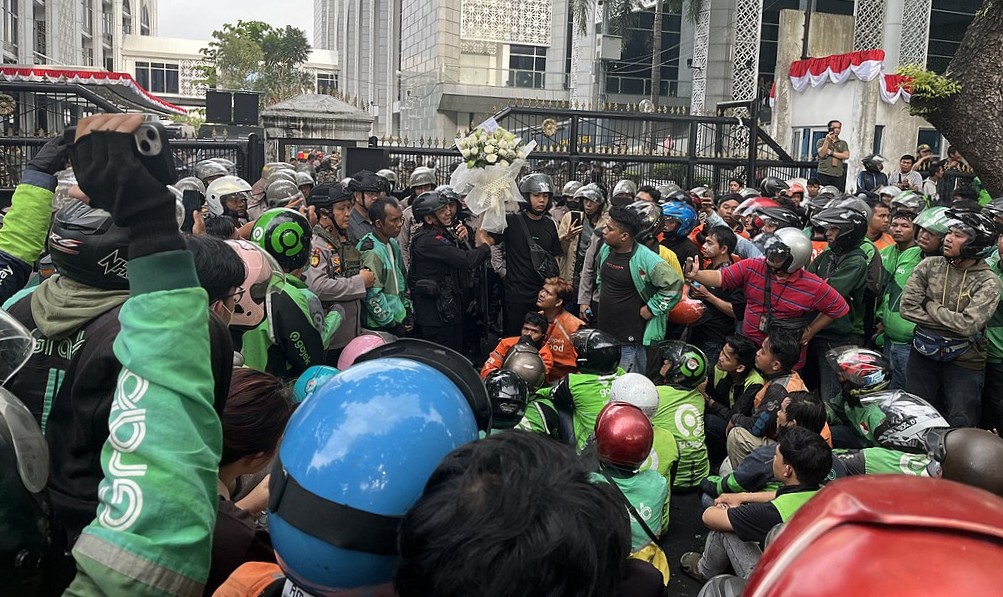
Protesters gather in front of DPRD Sumut gate entrance in Medan on August 29, 2025. Photo: Wikimedia Commons

In late August 2025, years of frustration against institutional malfeasance culminated in protests, demonstrations, and violence across Indonesia, the world’s third-largest democracy. The week-long turmoil eased only in September, after the scale of the unrest compelled the government and lawmakers to introduce changes, which rights groups and activists say fell short of meaningful reform.
The widespread protests began on August 25, after it was revealed that Indonesian lawmakers had been receiving a monthly housing allowance of Rp 50 million (approximately $3000) over and above their salaries since October 2024. This amount is 10 times the minimum monthly wage in capital city Jakarta and 20 times the minimum wage in economically weaker areas of the country.
In a country with a long history of corruption and authoritarian rule, racked by economic instability and rising costs, the revelation of this exorbitant perk sparked a fresh wave of outrage across the nation. This came at a time when the government was implementing austerity measures, including cuts to education and healthcare.
The public outcry escalated when a 21-year-old food delivery driver, Affan Kurniawan, was run over by a vehicle belonging to the nation’s elite paramilitary police unit at the protest on August 28.
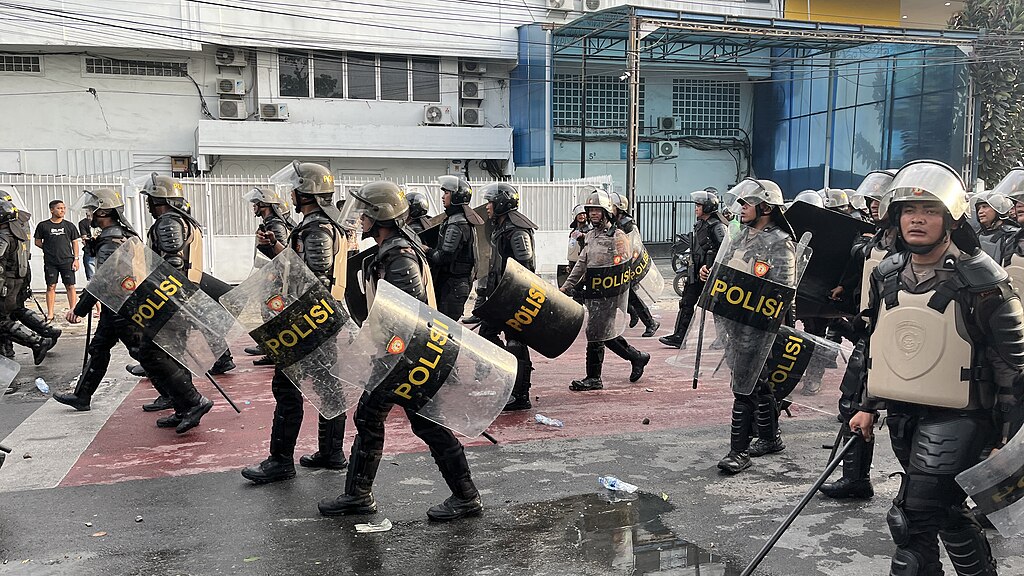
Riot police walking by in Medan, Indonesia, on August 29, 2025. Photo: Wikimedia Commons

Indonesia’s National Police (Polri) Chief General Listyo Sigit Prabowo issued an apology to Kurniawan’s family and assured an investigation into the case. Investigation into the incident was also assured by President Prabowo Subianto, who initially called the protests “treason and terrorism”.
On August 31, following the protests, Subianto announced that the parliament had decided to scrap housing allowance and suspend overseas trips.
The week-long clashes between protesters and police and military led to the death of at least ten people, and 44 others remain missing.
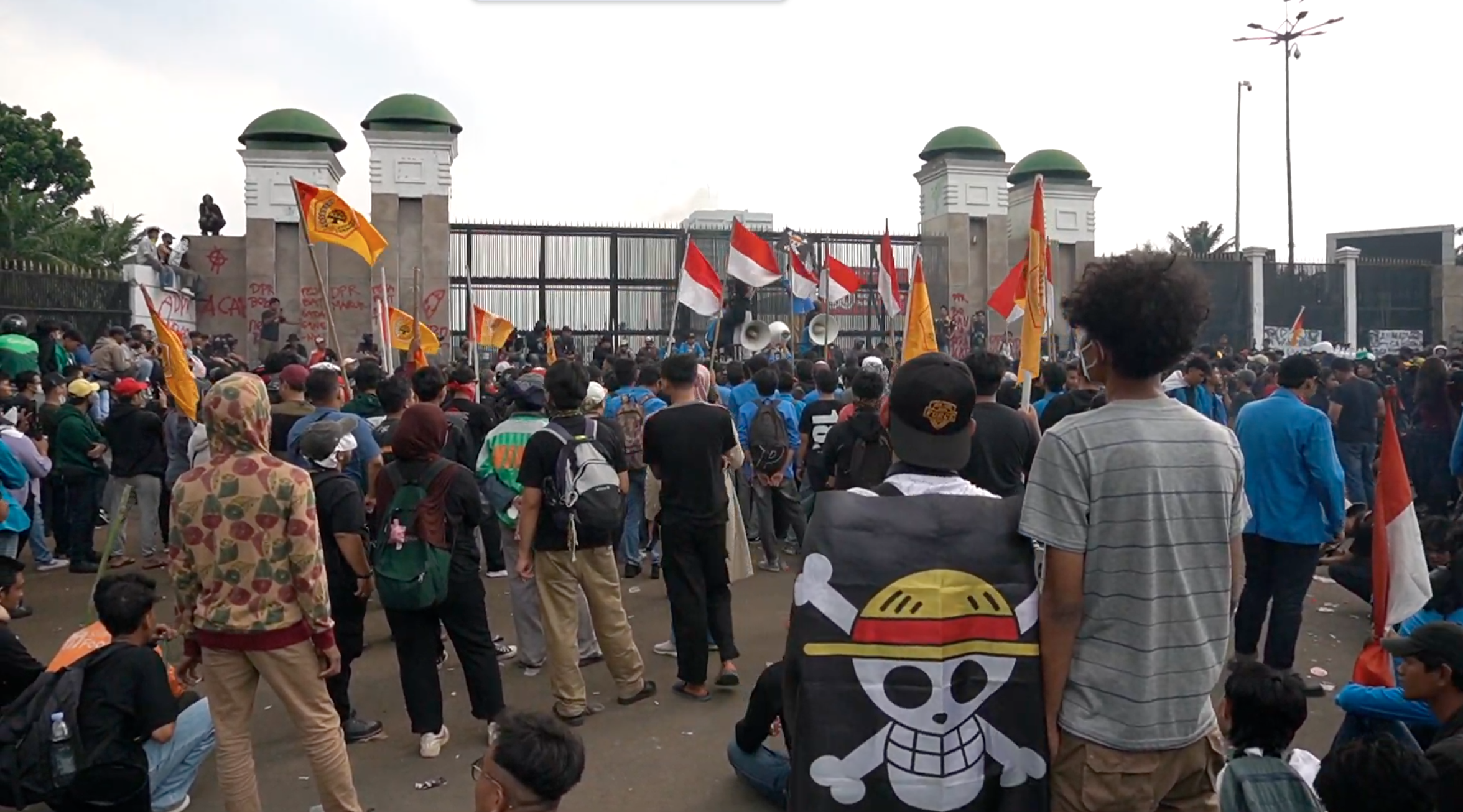
Protestors in Jakarta on August 28, 2025. Photo: Viriya Paramita Singgih/Project Multatuli
Although the tension has eased over the last week, demonstrations continue, primarily led by student groups in Jakarta.
Demands and Government Action
By early September, the “17+8 Demands” campaign gained influence across the protest movement. Compiled using statements from civil organisations and unions, the campaign lists 17 short-term demands such as releasing detainees, freezing lawmakers’ perks, equitable wages, and eight long-term demands to address corruption and induce institutional reform.
However, senior activists who have been voicing concerns for years, have expressed distress on social media, saying that the 17+8 demands lacked consultation with wider civil society.
Meanwhile, the government and the lawmakers have addressed some of these demands, such as detailing parliamentarians’ “take home pay” and beginning the release of political detainees. But significant action is yet to be taken toward many other demands.
On September 9, in a sudden reshuffle of his Cabinet, Subianto replaced five economic and security ministers, including Finance Minister Sri Mulyani Indrawati, former executive director of the International Monetary Fund and managing director of the World Bank. However, the newly appointed Minister of Finance Purbaya Yudhi Sadewa, has made dismissive comments about the “17+8” campaign after he was sworn in.
History of Protests
Over the last two years, there have been many waves of mass protests and demonstrations against controversial moves by Indonesian governments.
In August last year, thousands of people took to the streets after the government attempted to change an election law to favour the dynastic coalition led by former President Joko “Jokowi” Widodo, and current President Subianto.
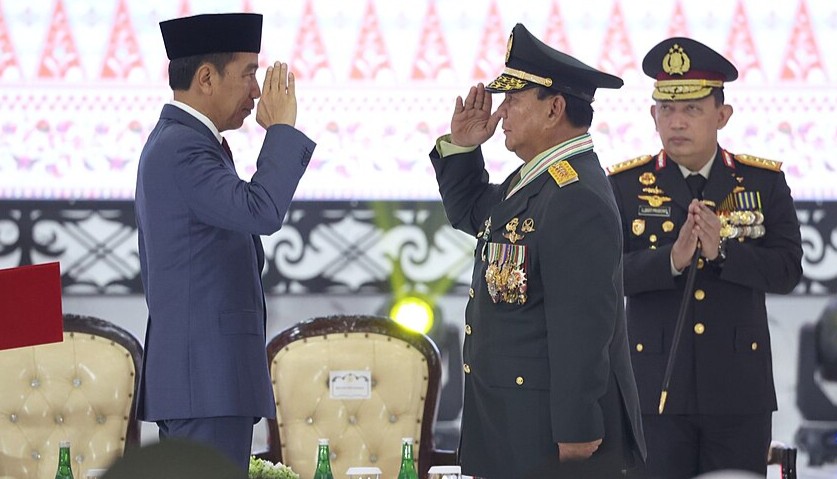
Former Indonesian president Joko Widodo (left) and then-Defense Minister Prabowo Subianto (right). Photo: Indonesian Ministry of Defense/Wikimedia Commons
In February 2025, student-led ‘Dark Indonesia’ protests took place in Yogyakarta, Jakarta, and Medan. Sporadic protests continued throughout the year over controversial government policies, budget cuts, against the increased re-involvement of the military in civilian matters, economic inequality, the Gaza genocide, government and police corruption, and more.
READ: Indonesia’s New Capital: How Jokowi Uses Extravagant Promises to Lure Investors
Police and military have been accused of using disproportionate force during the latest protests, prompting the United Nations to call for an investigation. Seven officers were detained in relation to Kurniawan’s death and one of them was dishonorably discharged.
Although the situation seems to have abated, the foundational issues causing nationwide tensions haven’t been addressed by Subianto’s government. Subianto, a former special forces commandant, has established 100 new battalions since coming to power less than a year ago in October 2024, with plans for much more.
The new battalions are allegedly to assist in civilian domains like agriculture, husbandry and food security. These battalions, along with the passing of a law allowing armed forces personnel to hold more civilian posts, have signalled a return to Indonesia’s “New Order” era, a dark period of authoritarian rule in Indonesian history led by military dictator Suharto. Subianto is Suharto’s former son-in-law.
However, Prabawo is not the first since Suharto to be accused of undermining Indonesia’s democracy. His predecessor, Joko Widodo—elected in 2014 as a “man of the people”— left behind a tainted legacy of corruption and nepotism.
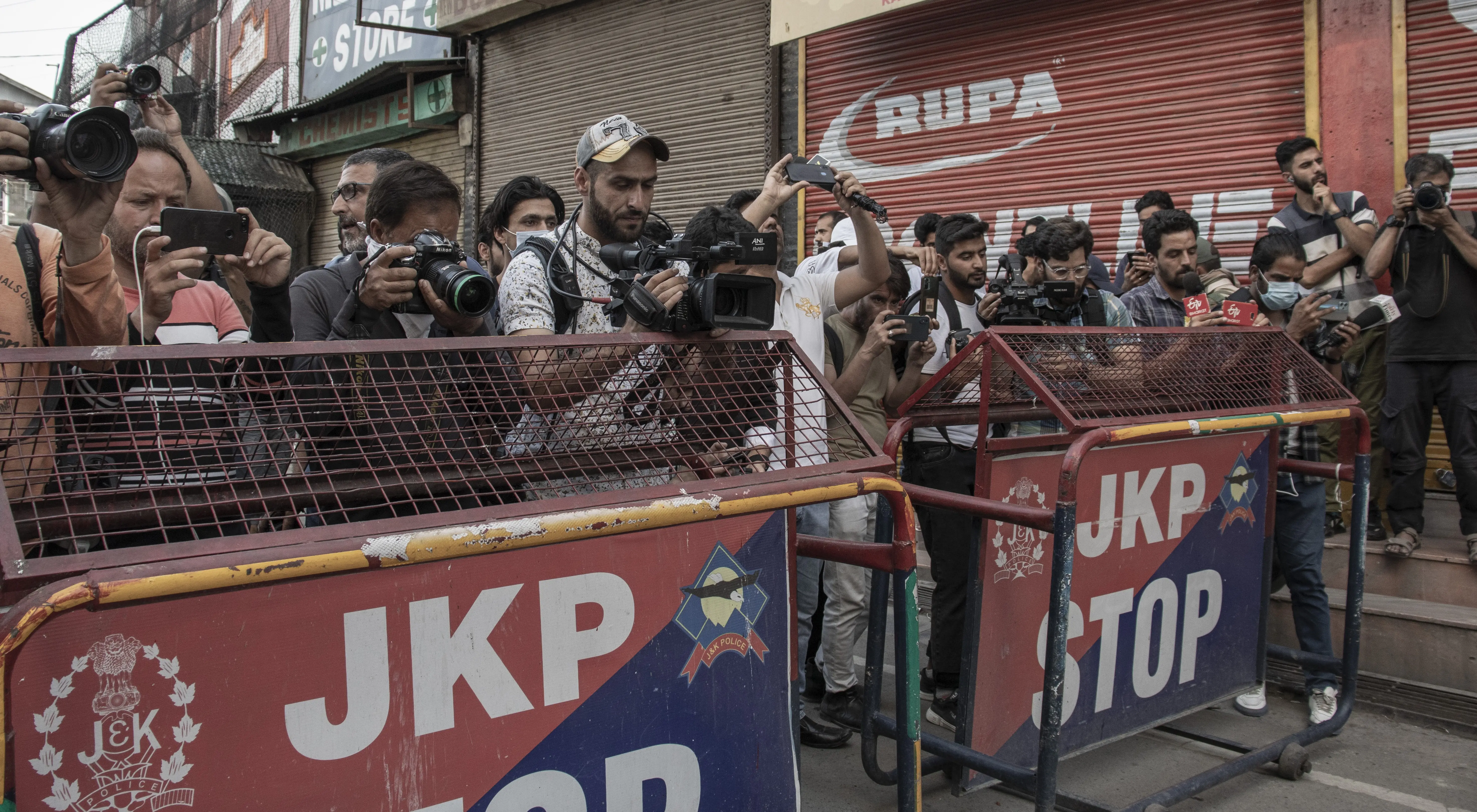
Journalists in the Union territory of Jammu & Kashmir report from behind a barricade in 2022. Photo: Zainab
Earlier this month, India and Pakistan engaged in a military conflict over a course of four days, until a ceasefire was brokered on May 10. Alongside, the two nuclear-armed countries were embroiled in a hailstorm of misinformation, disinformation and propaganda, fuelled by state-backed mainstream media and unverified social media content.
Mainstream TV channels showcased bombings, drones and “invasions” using unverified footage, speculating hour upon hour, and goading their respective militaries to annihilate the other. Internet and network blackouts disrupted communication and the people, desperate for news, had no option but to sift through the barrage of information and videos to judge the truth for themselves.
In the middle of this, journalists on both sides of the border fought a parallel war where they struggled to access impacted areas and report from the ground.
“Independent journalists are the first to reach [impacted] areas, and often the only ones who continue coverage when legacy media goes silent, without any TRP-led bias,” says Suhail Bhat, a Delhi-based journalist from the Union territory of Jammu & Kashmir. TRP refers to Television Rating Point, a metric used by channels to measure the popularity of a segment to determine revenues. “But still, I was stopped by forces many times simply because I’m not affiliated with any particular media house,” Bhat adds.
National and international media outlets are able to provide press cards and appropriate gear to their journalists, while freelancers operate without them. But reporting under editorial mandates of legacy media often means that some crucial stories and aspects can slip through the cracks — a gap that needs local and independent journalism.
“[Non-local journalists] will report that this many people are dead, this many injured, but it’s as if bhed bakriyan mar rahi hai [sheep and goats are dying]. The people have names, families, homes and towns they’re leaving behind. But they’re confined to numbers, or not treated as humans but subjects for stories,” said Gafira Qadir, an independent journalist from the Union territory of Jammu & Kashmir.
The media industry also prioritises viewership and ‘story breaks’, which often means that reporters are sent to the ground at the last moment to capture the first impressions – irrespective of the context. At that, legacy media houses ensure appropriate gear, security checks and access for their journalists. These assets are not provided to freelancers by the newsrooms hiring them on contract for specific assignments.
“TV news channels based in New Delhi always have the upper hand when it comes to access as compared to local reporters. We see it in front of our eyes—a TV reporter can cross a line that other reporters cannot,” said L*, another journalist from the Union territory of Jammu & Kashmir.
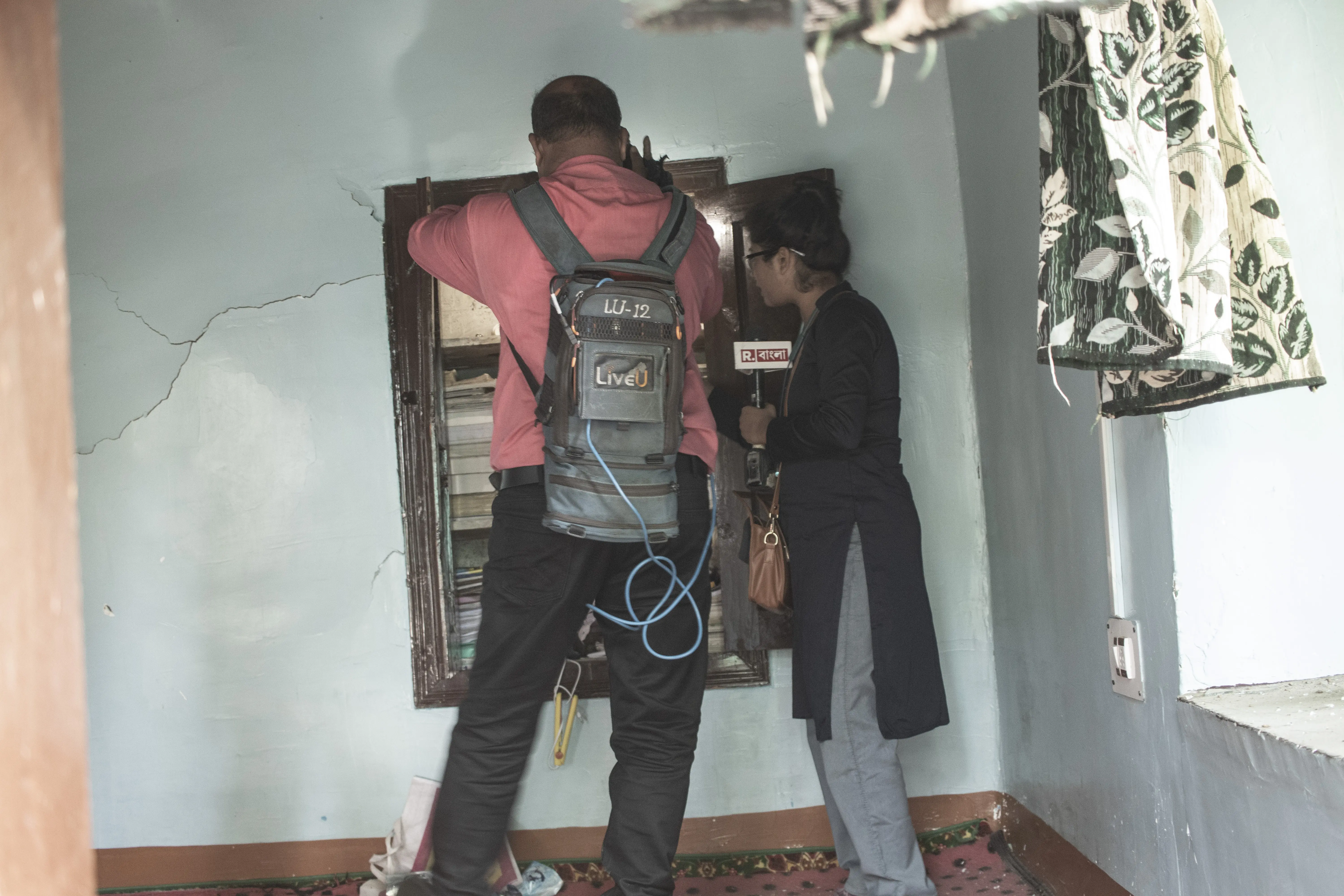
Crew from a prominent Indian TV news channel at a local residence in South Kashmir’s Tral in April 2025. Photo: Zainab
This inequality of access leaves opportunities for sensationalism by certain sections of the media in order to influence public sentiment.
“We’re in these times when the health of the industry isn’t looking good, and people’s faith in the media is at its lowest. At the same time, great journalism is still happening and a lot of it’s coming from independent journalists,” said Karan Deep Singh, an independent journalist and a former Staff Reporter and Visual Journalist with The New York Times and The Wall Street Journal.
Reporting from the frontlines is a different ballgame, and media watchdogs like the Committee to Protect Journalists (CPJ) highly recommend the use of Personal Protective Equipment (PPE) like vests and helmets while covering war zones.
While that is often not an option for independent journalists, proper safety measures aren’t a priority even in established newsrooms, says Kunal Majumdar, CPJ’s India representative.
“There are no mechanisms, no due diligence, not even a basic safety checklist. Does the journalist have a backup plan? An exit strategy? No one takes safety seriously, and the excuse is always cost. Newsroom managers need to understand that journalist safety isn’t just about expensive equipment—it’s about having a clear safety strategy in place,” adds Majumder, formerly a Delhi-based editor with media houses like Tehelka and The Indian Express.
In Kashmir, access is particularly challenging, and journalists are already at risk due to government clampdowns on both sides. During a full-blown conflict, these challenges were exacerbated.
Singh, the Delhi-based journalist, believes that the industry pressure to be the first to publish, combined with how hard it is to make a living off journalism, means that safety and training often take a backseat.
“Most journalists can’t think about it because they’re really trying to get the story, and their entire situation has been so perilous. The industry puts a lot of pressure, and only if they get the story do they get the paycheck. So safety, even for some newsrooms, is an afterthought,” said Singh.
Bhat says that the contracts he signs for a story as an independent journalist for international organisations might be 50-pages long, with clauses on deadlines, compliances and legal liabilities. But safety is not addressed.
“Rarely, if ever, do they mention what happens if the journalist gets injured, arrested or harassed. There is no word on insurance, safety briefings, ethical trainings, or even equipment support,” said Bhat.
On the other side of the border, Islamabad-based journalist Haroon Janjua said that even as drones hovered overhead, the organisations he works with did not provide any protective gear, nor has he received any HEFAT [Hostile Environment and Emergency First Aid Training] yet. This experience was mirrored by all journalists Asian Dispatch spoke to, in both India and Pakistan.
“This lack of gear significantly impacted my ability to work, preventing me from going on the ground to gather accurate and fair information about casualties and the emotions of those affected by the war,” said Janjua.
Others said that the lack of gear doesn’t affect the coverage, because the story must still be told.
“Journalists risk their lives to get the story out. The public sees the news, but they don’t see the emotional, mental, and physical toll it takes on the person behind the camera or mic. That’s the real cost,” said Pakistan-based journalist D*, who requested anonymity to protect their identity over fears of industry backlash.
The Journalist versus ‘Creators’
On May 10, Badar Alam rushed from Islamabad to Lahore to his daughter, who was nervous about the conflict. Upon reaching, he found that the major source of his daughter’s anxiety were Instagram accounts that were posting updates on areas that had been attacked. One of the recent updates that had shaken her was a post about blasts less than 2 kilometers away from her Lahore home. This was not true.
Alam, a seasoned Pakistani journalist, was aghast, and told his daughter that if there really were blasts that close to their home, she would have heard something. “Wouldn’t people around them feel the impact?” he asked her.
Pakistan-based journalist D* said this conflict saw many emotionally-charged local people filming and sharing content using smartphones, without verifying facts.
This negative impact of social media content creators is twofold: It can spread falsehoods, and it undermines journalists trying to find out the truth.
“Local ‘citizen journalists’ were quick to report from their areas whenever a missile or drone hit. They filmed what they could and gave live commentary – often without using the right words, checking facts or understanding journalistic ethics. The rush for instant content and social media engagement is replacing responsible reporting,” said D*.
Journalists and independent newsrooms in both countries are being increasingly targeted and silenced through raids, censorship, intimidation via legal actions, corporate takeovers, court summons, and outright arrests and detention.
This problem is amplified in the Union territory of Jammu & Kashmir, where the Kashmir Press Club – an independent media body – was shut down, making it difficult for freelance journalists to get accreditation, which is an official acknowledgement of a journalist’s credentials.
“Since 2019, we have had ‘Facebook journalists’ who found an opportunity [in the lack of accreditation], resulting in some of them operating very unethically while calling themselves journalists. They don’t ask people before filming and upload their videos online. And then [when we approach people for actual journalistic work], people won’t talk to us because they have been mistreated by these social media creators,” said Qadir. “They put [their content] on Instagram, and make Reels. They’re not reporting, they’re selling.”
Divided by Borders, United in Suppression
Since their partition in 1947, India and Pakistan have come to blows three times over disputed territories, particularly in Kashmir. Currently, different parts of Kashmir are administered by India, Pakistan, and China.
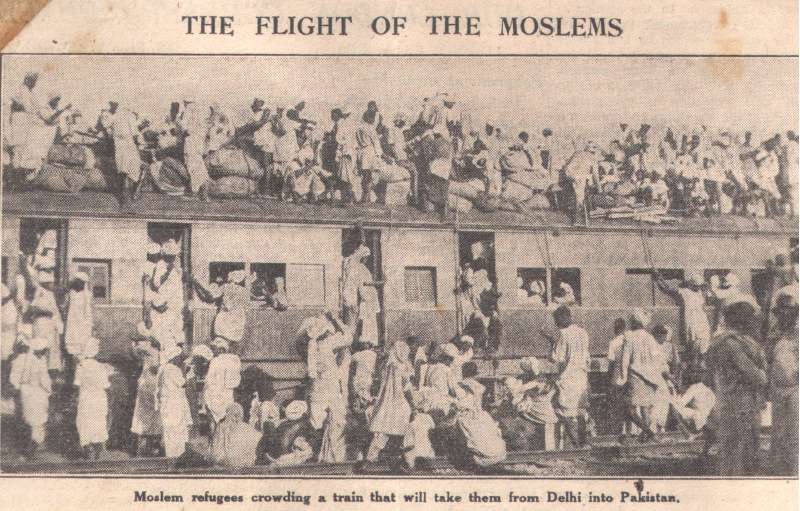
But it’s not just disputed borders that separate the two countries. India and Pakistan’s separation was influenced by an enduring belief that one should be a nation for Hindus, the other for Muslims, and that these two identities are incompatible.
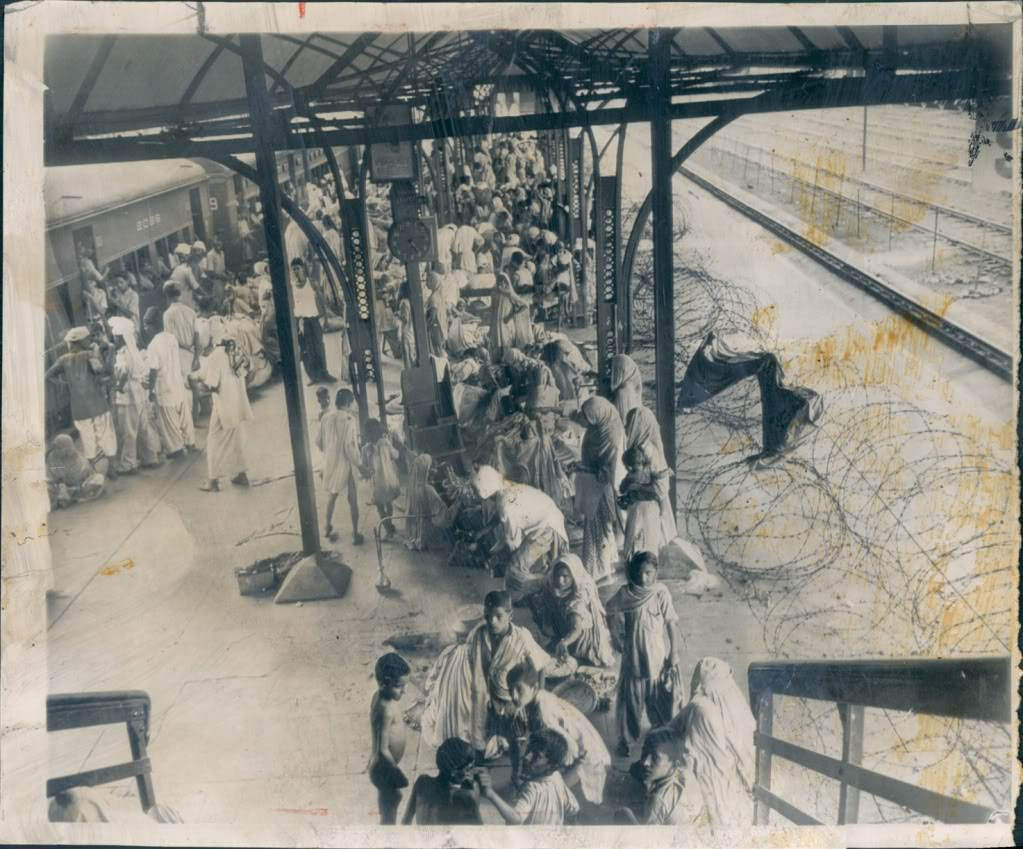
1) An archival image from the Chicago Sun-Times of the Lahore train station in September, 1947, where coils of barbed wire separate the waiting areas. Source: Fran Pritchett’s Archive
2) An archival image of a Delhi train station during Partition, published in The Manchester Guardian in September, 1947. Source: Fran Pritchett’s Archive
Attacks and persecution of minority populations in both India and Pakistan have been increasing. In Hindu-majority India, over 200 million Muslims face rising discrimination, hate and violence, while in Muslim-majority Pakistan, Hindus are among the top minorities who face religious persecution and violence such as forced conversions.
And with restrictions on cross-border communications, travel and trade, successive governments and militaries have controlled public perceptions.
“We’re working in an atmosphere that’s politically charged on both sides, and both sides seek to gain politically from the conflict. So as journalists, our job is very crucial because we are media-literate, and we can see through propaganda versus hard-core evidence-backed information,” said Singh.
Often, it’s the local journalists who are able to get that evidence.
“Independent journalists can move anywhere, without any kind of set direction in our heads, or from our bureau chiefs. So in that way, we are free to document what’s happening on-ground,” said Adil Abass, a 30-year-old independent journalist from the Union territory of Jammu & Kashmir.
Alam, co-founder of Islamabad-based magazine Earthwise, says that the media response on both sides during this conflict was worse than any he had ever seen, not during the Kargil war, during terrorist incidents, slug fests or shouting matches.
“During this conflict, journalists simply lost their ethics in a way that they never have on both sides of the border. This was something different. The state was following what the media was doing, and the media was egging the state to annihilate the other side. And journalism really died in that battle,” he said.
But he believes that like all challenges, it presents an opportunity, even a collaboration between like-minded sane voices from both sides.
“Journalists who do not monger war, who are sick and tired of the lies and fabrication in the news, social media and by the state, must step forward with the courage to hold hands across the border and work together,” said Alam. “It’s a huge challenge for Pakistani and Indian journalists, but that’s what the spirit of journalism is—to be able to take the first step in that direction.”
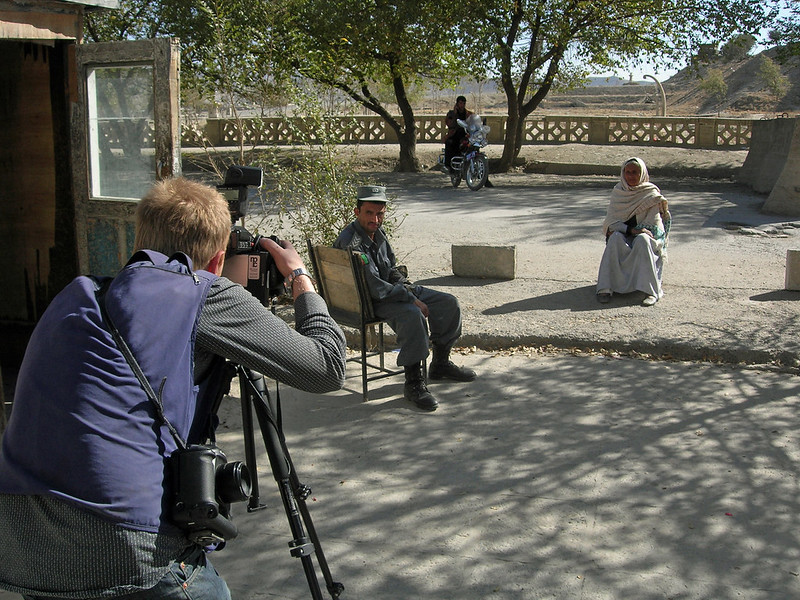
Representative image of a photojournalist focusing their camera lens on an Afghan woman. Photo: Carl Montgomery via Flickr
For Saurabh Sharma, an independent journalist who reports primarily on human rights in India, threats and the sense of looming danger have become routine. The 33 year old is based out of Uttar Pradesh, India’s most populous state.
Threatening calls from local goons is routine, especially when he reports on an issue that puts a critical lens on the policies of the local government, he says. India ranks 159 out of 180 in terms of press freedom, according to the 2024 World Press Freedom Index.
“Saurabh tumhara ghar toh illegal hai, bulldozer bohot chalta hai yahaan [Saurabh, your house is illegal and bulldozers are very common here],” is one of the threats Sharma recalls receiving recently. In Uttar Pradesh, ‘bulldozer justice’ references the politicisation of home demolitions in order to crack down on critics or dissent. In fact, in 2022, Sharma had to move to another city after his news report on deaths by firearms in his home state, Uttar Pradesh, brought unwanted attention from local influential figures.
Sharma’s story is a part of the larger fractured and shrinking space for free press where over 2,000 journalists and media workers have been killed worldwide for doing their jobs. Of them, at least 15 percent were freelance journalists, a broad term used to describe media workers who work on a contractual or project basis.
Early this year, a documentary called The Stringer put a spotlight on the risky and thankless job most regional freelancers do to tell important international stories. The Stringer follows the story of the iconic photo of a nine-year-old Vietnamese girl fleeing napalm attack. The photo won the Pulitzer Prize in 1973, received by Nick Ut, a photojournalist for the US-based media outlet, The Associated Press. However, the film alleges that the actual owner of that photo was a local journalist who never got recognition for it. The Associated Press denies the claims in the film.
Nevertheless, the conversation put a spotlight on regional freelance journalists, who are a significant asset for international newsrooms that face language or access barriers. With that come risks. Reporters like Sharma often operate without support and safety.
One-way lane in International Journalism
The perils of parachute journalism continue to thrive within Western narratives about Asia.
Studies show that much of the gaze in international journalism is dominated by Western and imperialist framing that often employs orientalist tropes and serves Western political interests. This reflects in the power disparity between local and Western journalists too.
For foreign correspondents, ‘fixers’ are a vital part of the reporting process, and that can entail many different things. ‘Fixers’ or ‘stringers’ are reductive terms that assign local journalists the restrictive role of facilitating access without agency or ownership, thereby reaffirming power imbalance.
“As a fixer, we arrange the interviews, conduct the interviews, do the translations, give the background to the foreign correspondent, formulate questions and topics for them,” Haroon Janjua, a Pakistan-based journalist, tells Asian Dispatch. “We know what the situation is like, so we have to explain a lot to them.” All foreign correspondents have to do, he adds, is “gather translated stuff and write it in some order.”
A prominent example of this uneven relationship is the coverage of Taiwan’s 2024 presidential election, which saw a record 430 journalists travelling to the country. Many journalists relied greatly on local journalists and freelancers to get access and translations. Soon after, Taiwanese local journalists issued a joint statement highlighting the “numerous unfavourable experiences” they had with foreign journalists.
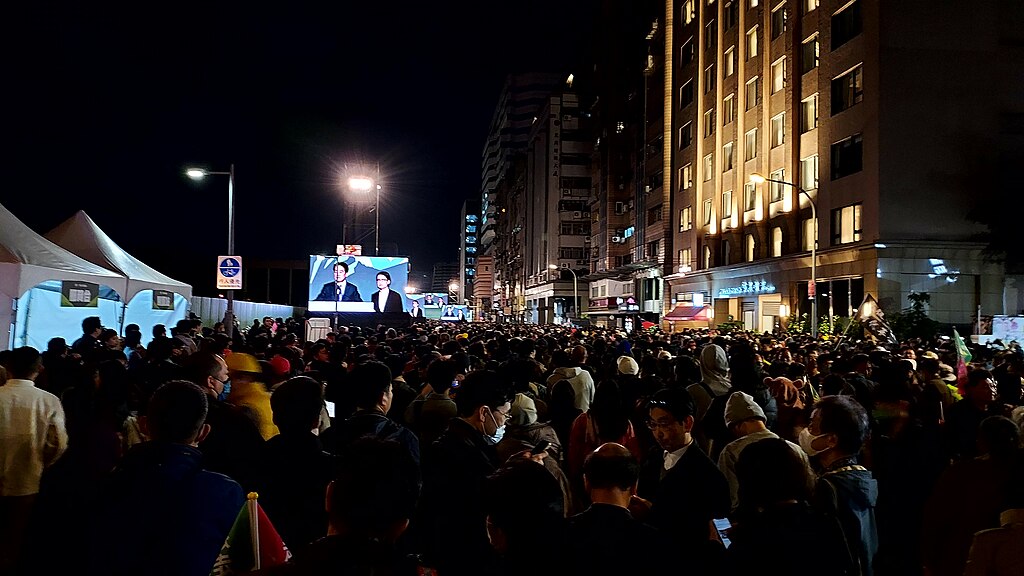
Taiwan Democratic Progressive Party celebrate their win after the 2024 presidential election. Photo: Wikimedia Commons

“Many fixers reported experiences of unfair pay practices, disrespect for their time and expertise, and pressure to contribute to sensationalist or pre-determined stories,” wrote Yip Wai Yee for the Reuters Institute for the Study of Journalism.
Editorial aside, the unequal dynamics reflects in the pay gap too, which assigns a much lower budget to local and regional reporters over foreign journalists.
Janjua recalls a newsroom where a foreign reporter allegedly receives higher pay and benefits than a local reporter with the same job profile.
Heather Chen, a Singapore-based journalist, told Asian Dispatch that local contractors, additionally, are rarely extended the same benefits or union protection that is granted to full-time hires.
“There are always clauses in [freelance] contracts,” Chen said. “For example, if you work for a major newspaper in Seoul, you will likely not be allowed to engage with labour unions.
Then comes the daily privilege carved out for foreign correspondents. Sharma recalls how one newsroom paid him $100 a day to ‘fix’ a reporting, but the foreign correspondent who accompanied him was given more for minor expenses on the field. “These [foreign] reporters would [spend] $200 on evening drinks in the name of source meetings and things like that,” Sharma says, adding that often, local journalists are like “porters” for Western journalists.
While much has been reported on the bane of parachute journalism, freelancers in Asia are compelled to participate in coverage that reiterates preexisting notions or stereotypes about their region.
Sometimes they push their thinking into a project, because they already have preconceptions about Asia. The West sees us as third world countries, and the things that highly resonate with international audiences are our challenges and difficulties. —Joan Aurelia, an Indonesian freelance journalist, told Asian Dispatch.
Reporting decisions often lie solely with an editor sitting thousands of miles away from the on-ground reality. Several studies and surveys have shown how most international newsrooms lack racial and gender diversity, which are known to produce culturally insensitive reporting or, worse, grave errors such as the one The Guardian committed in 2020 when they mistook two Black artists with each other after one of them made an anti-semitic comment. Lack of newsroom diversity impacts freelancers too.
Chen, from Singapore, reiterates the need for diversity in international editorial teams.
“Most foreign newsrooms in Asia are still White-dominant. The people who get the final say tend to be Caucasians. Maybe there are more women right now, but it doesn’t necessarily mean that there are more opportunities for local journalists,” she said.
This Disparity bleeds onto Bylines
The names which come first on a byline are influenced by these structural demarcations. Stories like this are common—The bulk of the reporting work may have been done by a local journalist in a particular country, but the first credit will still go to a foreign correspondent, likely not a native.
Sri Lankan journalist Shihar Aneez told Asian Dispatch that he recommends a standard process for all freelancers so that issues like pay gap are clarified before the reporting process begins.
“There’s no standard rate, sometimes you don’t even have a contract,” said Aneez. “Sometimes we are asked to go to a rural area and cover, and when we try to claim the expenses, there’s no allocation for that.”
When credit is given, it can often be relegated to ‘additional reporting’. Sharma spoke of experiences of fighting for every single byline.
“For freelancers, bylines are the only capital we have,” said Sharma. “That’s our identity.”
The reliance on local journalists is not going away, especially as countries like India employ increasingly hostile measures to keep foreign journalists away.
So what needs to be done by these publications? In her eight-point guide quoted earlier, Taiwanese journalist Yip Wai Yee stresses timely payments, cultural sensitivity, respect and collaboration.
Chen said that as long as a journalist was working for a commercial news organisation, they should be entitled to benefits and protections like full-time staff. Even though this sentiment is echoed by freelancers across Asia, meaningful change cannot happen without conscientious effort from Western journalists and media professionals.
Sharma, also a founding member of 101 Reporters, a network of freelance journalists in India, highlighted how reporters on the ground need more than platitudes.
“Freelancers need financial support, emotional support but the organisations working for them are toothless tigers. Other than releasing statements, they don’t go on the ground—they don’t know what we deal with every day, how reporters are suffering just to make ends meet,” he said.
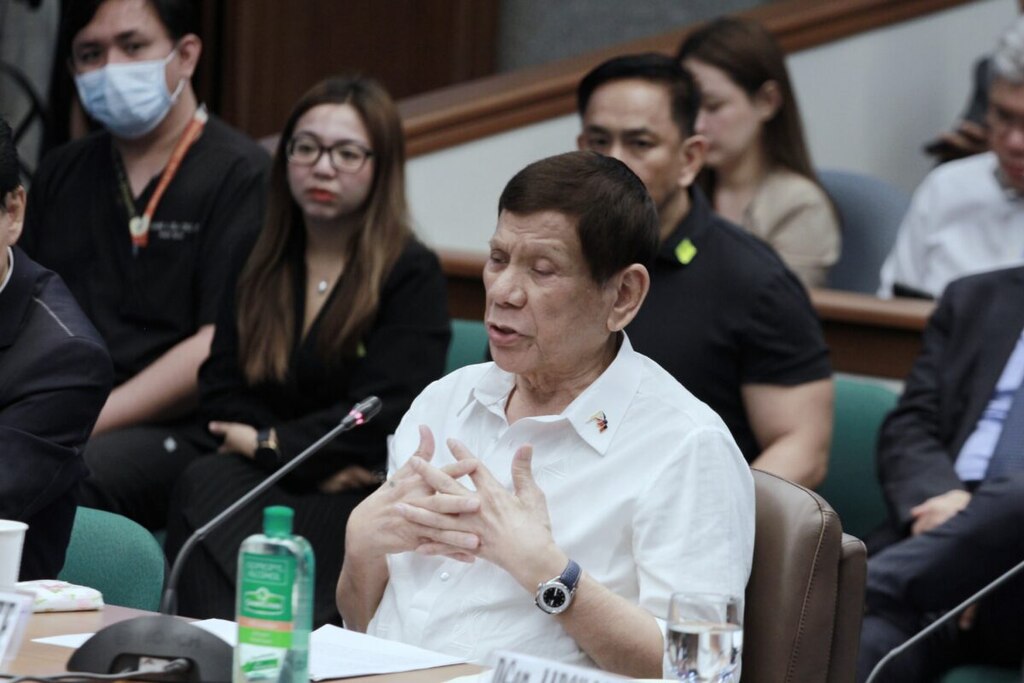
Former President Rodrigo Duterte attends the hearing of the Senate Blue Ribbon Committee probe into the War on Drugs, on October 28, 2024. Photo via Wikimedia Commons.
On March 11, the International Criminal Court arrested Rodrigo Duterte, former Philippine President, on charges of ‘crimes against humanity’ for leading the infamous seven-year ‘War on Drugs’ campaign that killed as many as 30,000 people, mostly poor Filipinos. . His anti-drugs campaign, though globally condemned, had made him hugely popular in the country of around 116 million people, and enabled the rise of his family members in politics too.
A 2017 investigation by Human Rights Watch found that police falsified evidence to justify many of these killings. Other human rights? reports found that police even received “incentives to kill”.
Family members and supporters of Duterte claim that the arrest is tantamount to a “kidnapping’, as the Philippines is no longer a member of the ICC. This claim spread across social media within a day of Duterte’s arrest in what appeared to be a coordinated ‘copypasta’ blitz, reported Philstar.
Philstar also reports that supporters have been harassing ICC judges and drug war victims in this coordinated online campaign, a strategy that might backfire and harm Duterte’s chances for interim release.
The Philippines had withdrawn from the ICC in 2018 (effective from 2019) but prosecutors from The Hague-based organisation says that they still have jurisdiction over crimes committed before the withdrawal. An official statement from the ICC office clarified that they are charging Duterte for crimes committed when he was the Mayor of Davao City (and head of the infamous Davao Death Squad), and for the first few years of his presidency – a period when the country was an ICC member.
“Mr Duterte is alleged to have committed these crimes as part of a widespread and systematic attack directed against the civilian population,” read the ICC’s March 12 statement.
The ICC recently came under fire from the Trump administration due to their investigation into Israel’s war crimes in Gaza, and the issuance of an arrest warrant for Benjamin Netanyahu and Yoav Gallant. It’s significant to note that US President Donald Trump had praised Duterte’s war on drugs campaign during his first tenure in 2016. By then, the death toll was 4,800 people.
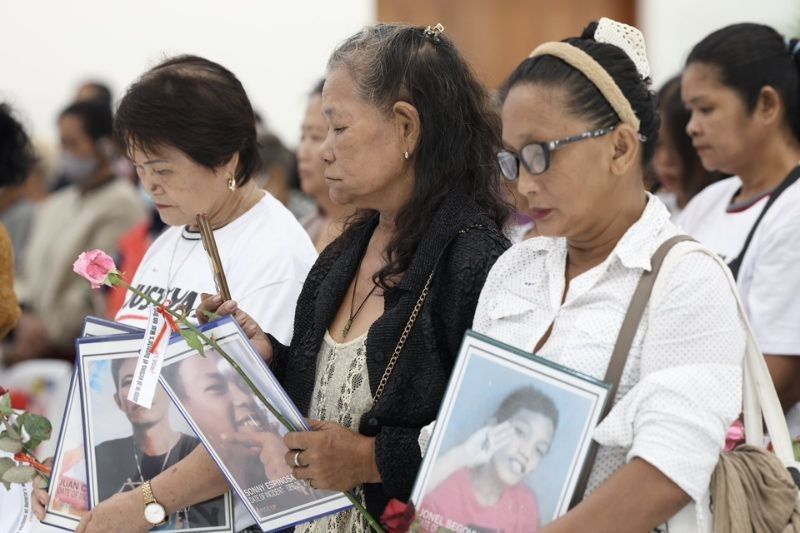
Families of extrajudicial killing victims attend a Catholic Mass at the House of Representatives prior to the eighth hearing on EJKs on Oct. 11, 2024. Photo: Philippine House of Representatives via Philstar
For families of the victims of Duterte’s war, this arrest is a breakthrough in their long search for accountability. But human rights advocates stress that this is only the first step in what should be a comprehensive accountability process.
This is a developing story. For more updates on Duterte’s trial, visit Philstar.com.
In a historic victory, an alliance of opposition political parties has won the assembly elections in the Indian Union Territory of Jammu & Kashmir. Omar Abdullah – who previously held the office from 2009 to 2014 – will make a comeback after nine years.
The election outcome is significant for one of the world’s most militarised zones, which is holding its first assembly elections for the first time in a decade. Voters turned up in historic numbers to elect 90 members for the union territory’s Legislative Assembly.
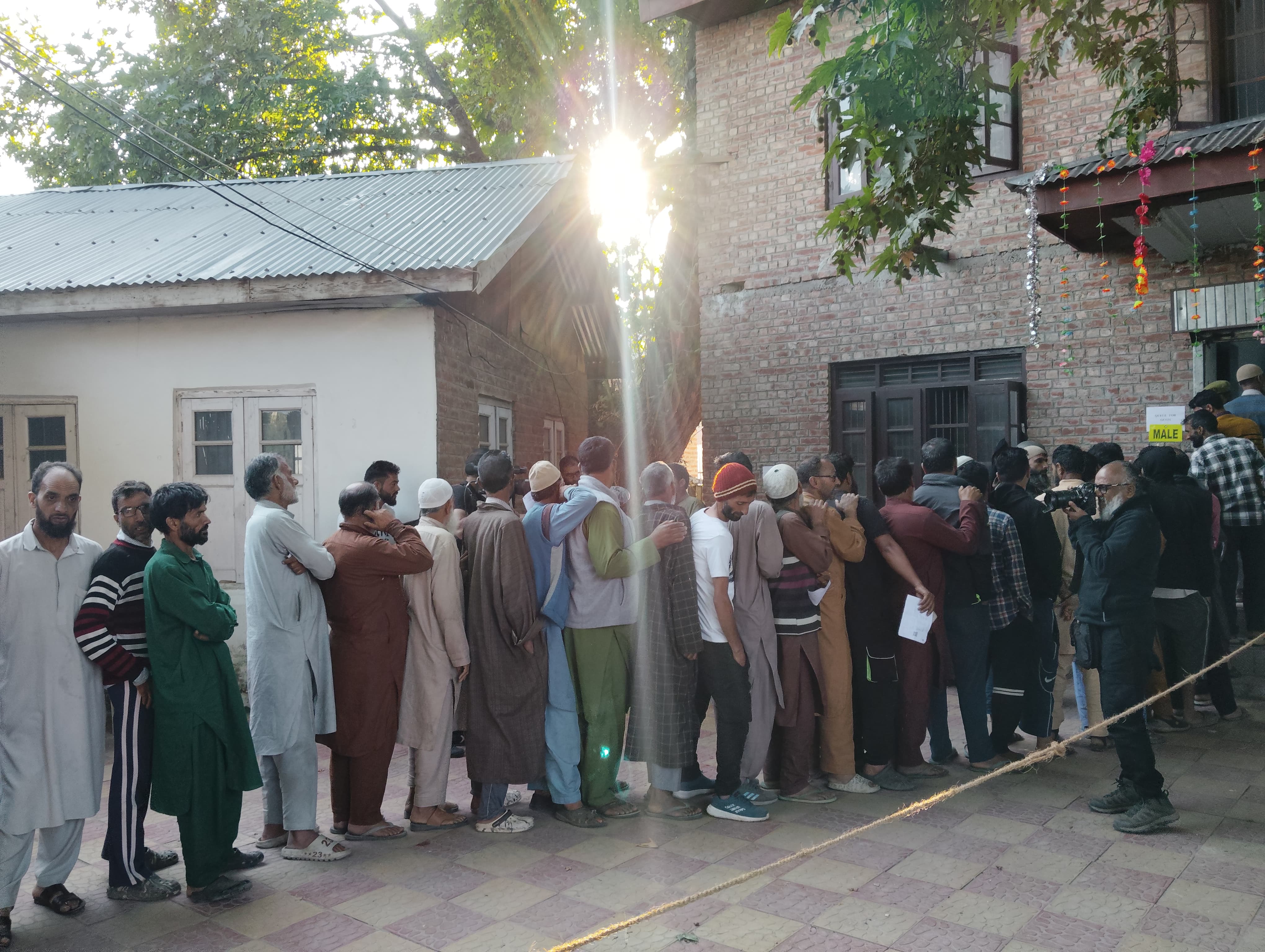
People line up at a voting booth in Pulwama district of Kashmir on September 19, 2024. Photo: Nasir Khuehami
The Kashmir region is at the heart of conflict between India and Pakistan. Both the nuclear-armed countries govern parts of the region but claim it in its entirety. For the last three decades, an armed separatist movement in the Union territory of Jammu & Kashmir has led to the deployment of around 130,000 military personnel, of which around 80,000 are stationed at the country’s border with Pakistan. The fate of Kashmir is an international issue and many of India’s powerful allies, including the US, avoid taking sides while maintaining that the two countries should consider the wishes of the people of Kashmir.
In August 2019, Indian Prime Minister Narendra Modi and his ruling Bharatiya Janata Party (BJP) revoked a long-held autonomous status – secured within Article 370 and 35A of Indian Constitution – of Jammu and Kashmir. For the BJP, it was an election promise meant to restore India’s administrative control over India’s only Muslim-majority state. For the Kashmiris, the move led to rising unemployment, continued violence and free reign by the federal government over its profitable natural resources.
These elections came three years after the timeline promised by the Modi government, and were held after the Supreme Court issued an order last December. In the past few decades, Kashmiris have boycotted elections in the region as a protest against the demotion of Kashmir.
Autonomous or not, Kashmiris exhibited their electoral choices after a long time this time.
Changing face of Political Participation
The election saw Modi’s BJP pitted against an alliance of the National Conference (NC), the Indian National Congress (INC), National Panthers Party and Communist Party of India (Marxist). The NC and its dynastic Abdullah family have dominated politics in Kashmir for decades.
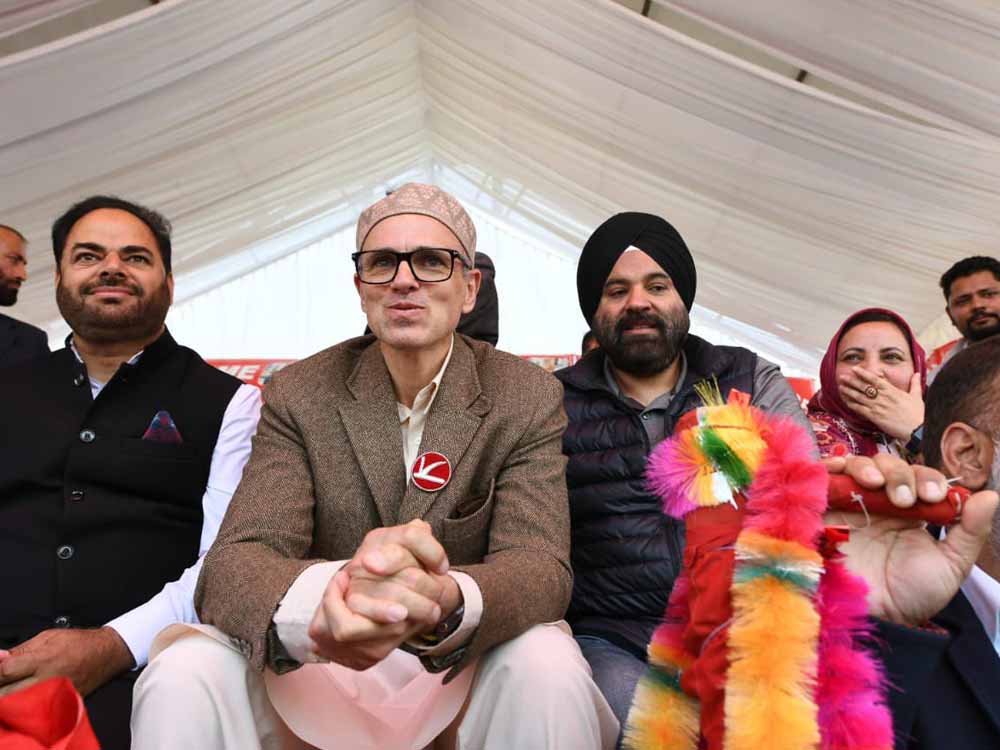
Omar Abdullah (center) is set to be the Chief Minister of Jammu & Kashmir once again. Photo: JKNC
These elections also saw the rise of independent candidates, some of whom had been arrested during the protests after the abrogation of 370 and 35A in 2019. One of them is Abdul Rashid Sheikh, an independent candidate known widely as “Engineer Rashid”, who was arrested under India’s draconian anti-terror law, the Unlawful Activities (Prevention) Act (UAPA) in 2019. He defeated Abdullah in the 2024 Lok Sabha Elections and last month, he was granted bail to campaign for these elections.
As the Indian opposition accused the BJP of having “non-locals running Jammu and Kashmir”, local representatives like Rashid came to symbolise the rising political participation of Kashmiris.
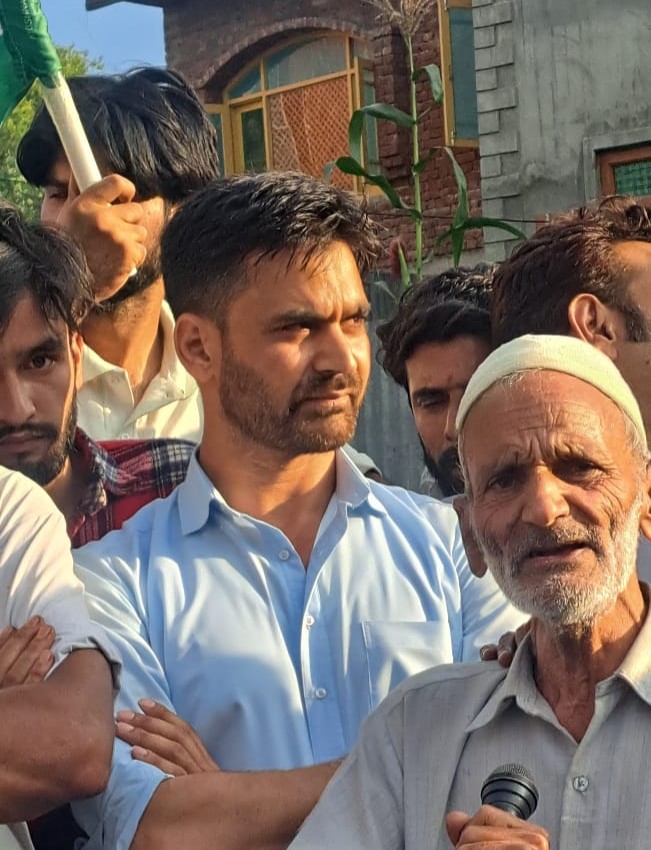
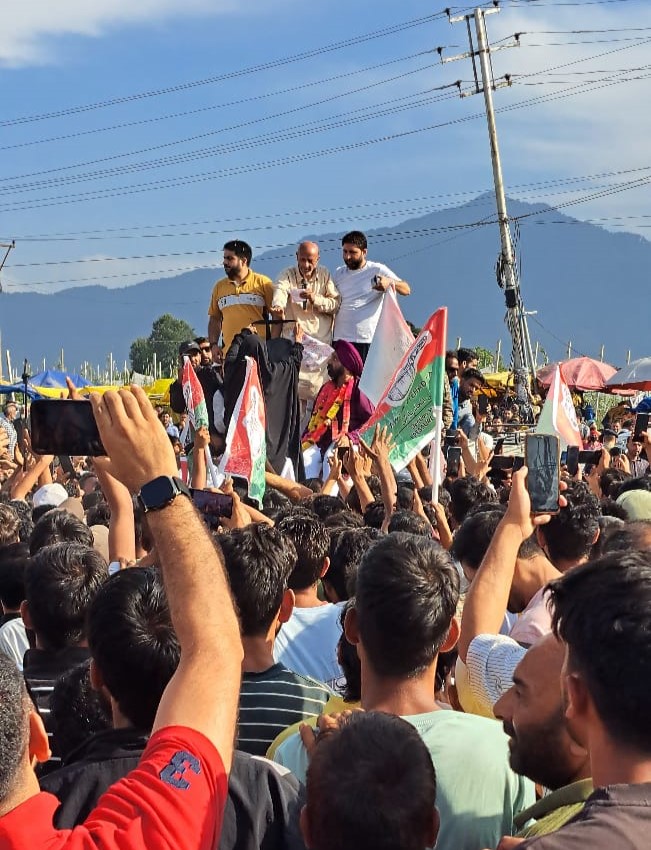
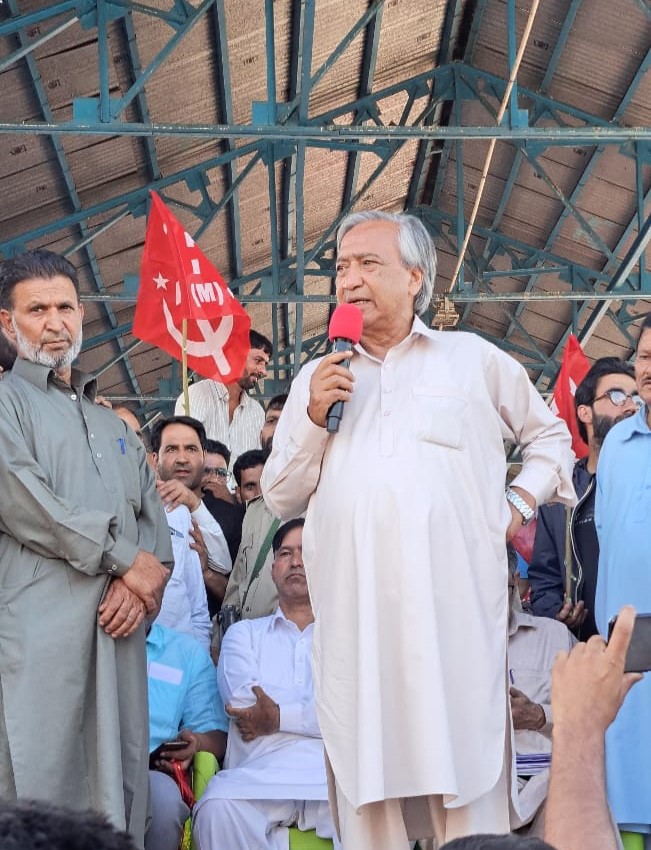
Caption: (from left to right) a) PDP’s Waheed Para, who won Pulwama seat b) Engineer Rashid addressing a crowd c) CPI(M) leader Mohammed Yousuf Tarigami. Photos: Naseer Ahmad
“Since 2019 particularly, a feeling of disenfranchisement has run very deeply in the Kashmiri psyche,” Yaqoob-Ul-Hassan, a research analyst at the Indian government-funded think tank Manohar Parrikar Institute for Defence Studies and Analyses, told Asian Dispatch. “[The Kashmiris] may dislike the NC or the PDP as entities, but they still see the representatives from these parties as one of their own.”
For Sumantra Bose, a comparative political scientist and author of Kashmir at the Crossroads: Inside a 21st Century Conflict, the popularity of representatives like Rashid is a gesture of protest. But it also reflects Kashmiris’ dissatisfaction with legacy parties.
“Both Omar Abdullah and the NC party have a long history of what many in the Kashmir valley regard as collaboration with Indian authorities,” Bose told Asian Dispatch. “Even though NC is the historic party for the region, Omar Abdullah was Chief Minister during the stone pelting uprising of 2010, which was suppressed very harshly.”
In 2010, Indian Army soldiers killed three Kashmiri civilians, citing it as an anti-militancy operation against Pakistani infiltrators but was later found to be staged. The incident triggered state-wide protests demanding reduction of troops. The Indian government grants special privileges to the armed forces in Kashmir – under the The Armed Forces (Jammu and Kashmir) Special Powers Act – to operate under impunity and emergency powers. The 2010 protests killed over a hundred people – mostly civilians.
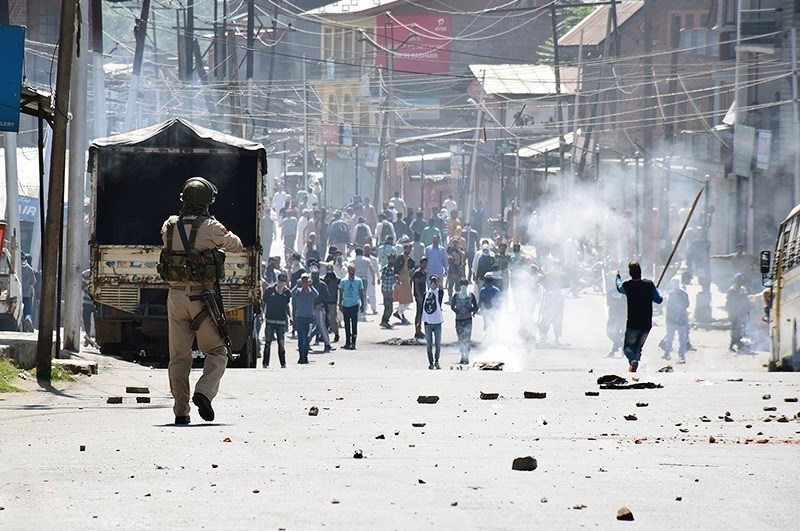
Police confront protestors in Kashmir during a December 2018 demonstration. Photo: Seyyed Sajed Hassan Razavi via Wikimedia Commons

Bose added that other legacy parties including the People’s Democratic Party (PDP) and its leader Mehbooba Mufti are similarly infected too. Mufti was the chief minister during the violence of 2016-17. At that time, her party’s failed coalition with the BJP left the region at the mercy of federal rule.
However, Waheed Para, the PDP candidate from Pulwama constituency who won the seat by over 8,000 votes yesterday, reaffirmed the popularity of his party and told Asian Dispatch that these elections are different.
“For the first time, all sorts of ideologies met at the ballot box. From the so-called ‘anti-nationals’ to the UAPA-accused, to the detained people to mainstream— all political ideologies are participating in the process,” said Para. “Today, democracy is seen as defiance and a means of resistance. It is not about violence anymore. So young people are inspired to vote.”
Bose added: “Rather than the product, it is the process that is more important. The people are getting to vote again, and the turnout over three polling days has been significant. It signals the return in some form of normal cognitive politics.”
In the Hindu-majority Jammu region, the BJP dominated and won 29 seats out of 43. However, that win doesn’t dilute the misgivings Kashmiris have about the events of 2019.
An election in the shadows of 2019
In 1947, when India gained freedom from British colonisation, the state of Jammu and Kashmir was granted special autonomy that allowed self-governance on issues ranging from transfer of land to defining permanent residents and granting state benefits. The provision has been at odds with successive governments, who used presidential orders to gradually reduce those privileges. In August 2019, when the BJP abrogated Article 370 and 35A, it created the Union Territories of Kashmir and Ladakh, which places the region directly under the federal government.
Since then, human rights watchdogs such as Amnesty International have highlighted consistent efforts by the federal government to crush political participation that opposes the BJP. Activists, journalists and academics have been detained and harassed arbitrarily. Dissenters are widely punished through the ambiguous public safety laws. The federal government has announced many plans to bring private investment in, which is likely to be a double-edged sword for a region that is also on the frontlines of climate change.
“Grassroots political activity was stifled through fear and persecution. Even the likes of Omar Abdullah and Mehbooba Mufti have been imprisoned for considerable periods,” said Bose. “The agenda was to virtually erase competitive politics from Jammu & Kashmir.”
The current election, locals told Asian Dispatch, may have fuelled local political participation. But 2019 looms large in public memory.
INC’s Suhail Bukhari told Asian Dispatch that the people have clearly indicated that the central government’s actions in Kashmir are unacceptable, and that the results favour anybody who stands against the BJP and the Rashtriya Swayamsevak Sangh, BJP’s ideological parent.
“Generation after generation, Kashmiris have given so much to this country. By blood and conviction, we’re Indian — and yet, we are treated differently,” Nasir Khuehami, the National Convenor of the Jammu & Kashmir Students Association, told Asian Dispatch. “Our leadership was stripped away, ignored and detained, and if the condition of local politicians and activists has been so terrible — think of the common man.”
What next?
In the lead up to the current elections, the rhetoric of Naya Kashmir, or “New Kashmir”, has dominated mainstream Indian media narrative, which is in line with the BJP’s co-opting of the 1944 manifesto that outlined the autonomous status of the region. Modi’s government turned the term around to signal massive changes as part of its campaign to dominate regional politics in Jammu and Kashmir.
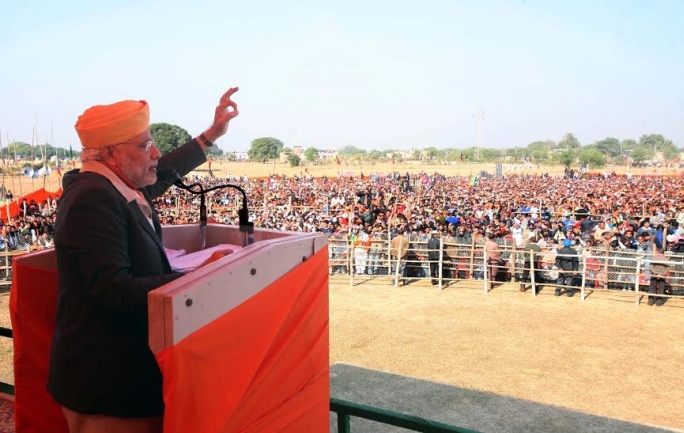
BJP’s Narendra Modi speaks at a campaign rally in Jammu & Kashmir in December, 2014. Photo: Prime Minister’s Office via Wikimedia Commons

Khuehami told Asian Dispatch that many issues such as high levels of unemployment, especially among the youth, directly counter the Naya Kashmir narrative. Since 2019, the Modi government has also been hosting foreign diplomats and dignitaries for guided tours of Kashmir, which critics say is designed to establish an insincere global narrative of a supposed normalcy and acceptance of the BJP’s 2019 ruling among the people.
“[The Modi government] brought all these sheikhs from Dubai, these big businessmen, with promises of jobs and recruitment. But on the ground, the reality is very different. Where is the prosperity? Where is the development?” said Khuehami.
Hassan, the research analyst, says that the BJP’s proclamation of Naya Kashmir isn’t entirely false. “The violence has gone down, there are no protests or strikes, and tourists have been coming in great numbers,” he countered before adding, “But militancy going down does not mean it won’t come back. We’ve seen the decline of insurgency [in Kashmir] in the past also,” he said. “But with some sort of a click, it could go up again. It’s down, but not gone.”
Violence and deaths in Kashmir has continued, with spikes in militant deaths and no sustained decline in civilian deaths, but official figures claim an era of peace. Bose says that figures of declining violence is a myth and artificially generated.
“It’s true that stone-pelting has declined post-2019 but that’s because of extremely draconian repression. There’s no guarantee that just as insurgency hasn’t gone away, that kind of uprising won’t come back,” he said. “(The decline) should come about through a genuine improvement in people’s situations.”
In the current elections, almost all parties promised restoration of statehood in some form. After the results, Abdullah reiterated that his party would work with the central government to bring back Article 370. Previously, Modi had also promised to reinstate statehood too but that “only the BJP will fulfil this commitment”.
National Conference spokesperson Tanveer Sadiq told Asian Dispatch that the people have reaffirmed their faith in them, and they look forward to doing everything to restore Kashmir’s political status while also ensuring jobs and work on everyday issues. However, Safiq added, a working relationship with the Center is vital for any of that to happen.
“The BJP-led government in the Center has to understand that now that people have given the mandate to the NC-Congress alliance, it becomes incumbent on the Central government to have a cordial relationship,” said Sadiq. “The Center and State need each other to ensure that states like Jammu & Kashmir become prosperous.”
Khuehami is optimistic about the question of accountability in the state. “We know that if they don’t stand up for us, we can vote them out. This is why people came out and voted,” he said. “We kept aside our political differences to preserve our identity, to get back our dignity—through this vote.”
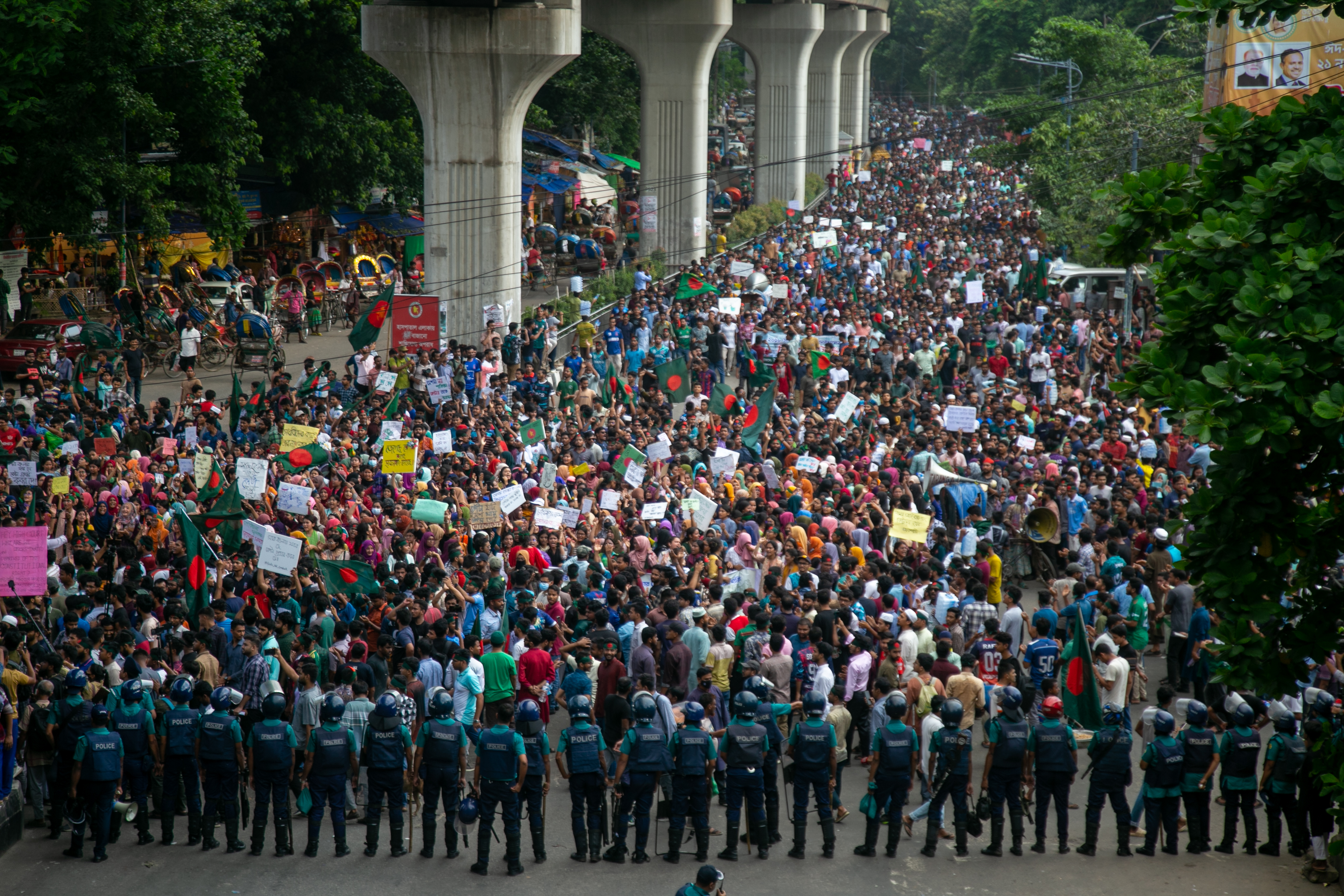
It took nationwide protests, violent state and military intervention and deaths of at least 139 people for the Supreme Court in Bangladesh to step in and scale back the reinstatement of controversial job quotas in the country that favours descendents of freedom fighters, women and people from underdeveloped districts.
As of July 22, Bangladeshi media reported over a thousand had been injured in protests that were primarily peaceful and led by students. Last week, the police fired sound grenades, tear gas shells and rubber bullets as it tried to quell their movement. The government under Prime Minister Sheikh Hasina, who won an unprecedented fourth term this January, denied using excessive and indiscriminate force, but the death toll continues to rise. At least 50 people died on Friday.
At the moment, there’s an indefinite curfew, and internet and text message services have been suspended. Local media websites such as Dhaka Tribune, which is an Asian Dispatch member, are suspended too. On Sunday, even though the country’s highest court directed a scale-back of quotas from 56 percent to 7 percent, news outlet BBC Bangla quoted some protest coordinators as saying that they will continue protests, especially to secure release of detained student leaders.
Asian Dispatch breaks down the sequence of events to understand what led to the civil discontentment over the quotas, and what is the way forward for Hasina.
Why is the job quota system so controversial?
The quota system for government jobs in Bangladesh was created after Bangladesh won its independence from Pakistan in 1971, a movement that was led by Sheikh Mujibur Rahman, who is widely considered the father of independent Bangladesh. He is also Hasina’s father. Rahman himself started out as a student activist during British rule. After independence, in 1972, it was his government that introduced job quotas for freedom fighters. Back then, too, it met with heavy resistance, especially from the University of Dhaka who demanded merit and equal opportunity.
The quota system, ubiquitous across South Asia, is designed to be affirmative action to bring more representation in the employment sector. In Bangladesh, job quotas are especially coveted because of the promise of better pay and job security. However, government data shows that the number of Bangladesh’s working population is increasing, but the jobs aren’t.
The original quota system reserved 30 percent of jobs for veterans of the Bangladesh Liberation War and their descendents, while 10 percent were for women who survived mass sexual violence by the Pakistani army during the war, and 40 percent for those from underrepresented districts. Over the years, these quotas have been modified. But it remained controversial.
Since 1971, the number of freedom fighters and their descendents have dwindled, leading to many job-seekers questioning the need for such a high number in reservations. There have been accusations of misuse and corruption in how these quotas are being sought. Many critics blame the system for benefitting those close to the ruling party.
Bangladesh’s unemployment rate, according to an official survey done between January and March this year, is 3.51 percent, amounting to 25 lakh unemployed out of the country’s total population of 17.12 crores. As of now, only 44 percent of government jobs are allocated based on merit.
But this isn’t the first time students have come down to the streets to demand quota reforms.
In 2018, after Hasina confirmed she will keep the job quotas, university students led nationwide protests demanding job quota reforms. Hasina’s government immediately cracked down on the movement, but a few months later, she issued an executive order to remove all job quotas entirely. In 2020, the decision to abolish the quotas became effective.
However, this June, the Bangladesh High Court cancelled the government notification, declaring it illegal, and reinstated the quotas, resulting in ongoing mass protests.
How did the protest get violent?
The protests started on July 1 by the students of the University of Dhaka who demanded that the quota system be modified to reflect the needs of present-day Bangladesh. Soon, students of other universities joined in. Right now, the movement is led by an umbrella organisation of students called Anti-Discrimination Student Movement.
On July 14, Hasina, who staunchly supported the quotas, blamed the opposition for fuelling violence, and dismissed the demonstrators as “razakars”, referring to a pre-independence paramilitary group with the Pakistan military who led a brutal campaign during Bangladesh’s freedom movement, which included widespread massacres of Bangladeshi freedom fightors and weaponising rape against the women.
“Why do they have so much resentment towards freedom fighters?” Hasina is quoted as saying. “If the grandchildren of the freedom fighters don’t get quota benefits, should the grandchildren of Razakars get the benefit?”
The students pushed back against Hasina’s remarks by adopting the term and raising slogans such as, “Asked for rights and became a Razakar!”
On Wednesday, July 17, the police used tear gas and sound grenades to break up a student demonstration at Dhaka University. Violence spread across the city, with retaliation by the government’s student wing Chhatra League, prompting the United Nations Secretary General spokesperson to urge the Bangladesh government to protect the students.
On Wednesday evening, Hasina addressed the nation and asked all sides to maintain peace until the Supreme Court’s verdict and blamed the deaths on “vested quarters.” At the same time, Asif Mahmud, a coordinator of the Anti-Discrimination Student Movement, called for a nationwide shutdown through a Facebook post.
In response, the state installed its paramilitary forces including Border Guard Bangladesh (BGB), Rapid Action Battalion (RAB), SWAT, and the Chhatra League. The RAB, which was set up by former Prime Minister Khaleda Zia, has been accused of extrajudicial killings and human rights violations in the past. By Thursday, the state-backed crackdown saw the deployment of another 229 platoons of BGB.
Deadly clashes broke out in several parts of the city including Uttara, Mohammadpur Beribadh, Merul Badda. Unknown persons broke into state broadcaster Bangladesh Television’s (BTV) headquarters in Dhaka and vandalised it. News reports also reported protesters storming a prison in central Bangladesh, setting hundreds of prisoners free. Reuters quoted Bangladesh’s attorney general AM Amin Uddin as saying that students were not a part of the violence and arson the country has seen since Monday.
On Friday afternoon, as the Dhaka Metropolitan Police (DMP) banned rallies and processions, a shoot-at-sight order was administered alongside a telecommunication blackout.
By the weekend, at least 139 people had been killed, including a journalist. As of July 23, local media remained largely silenced under the communication blackout. The student movement has pledged to continue protests and ensure the release of their imprisoned supporters, and to hold the perpetrators of violence accountable.
The original Supreme Court verdict on the quotas was scheduled for August, but this was pushed up to Sunday in light of the escalating situation. Presently, the latest ruling will make 93 percent of job allocations merit-based, 5 percent will be reserved for descendents of Bangladeshi freedom fighters, and 2 percent will be reserved for ethnic minorities, transgender individuals, and the disabled.