The state of Bihar, in the eastern part of India, has the lowest electricity consumption per person in the country, mostly due to lack of power availability. The government is now focusing on solar energy projects such as rooftop installations, floating solar panels, and solar street lights, to boost clean energy.
But is this solar energy boom in Bihar addressing the energy poverty challenge?
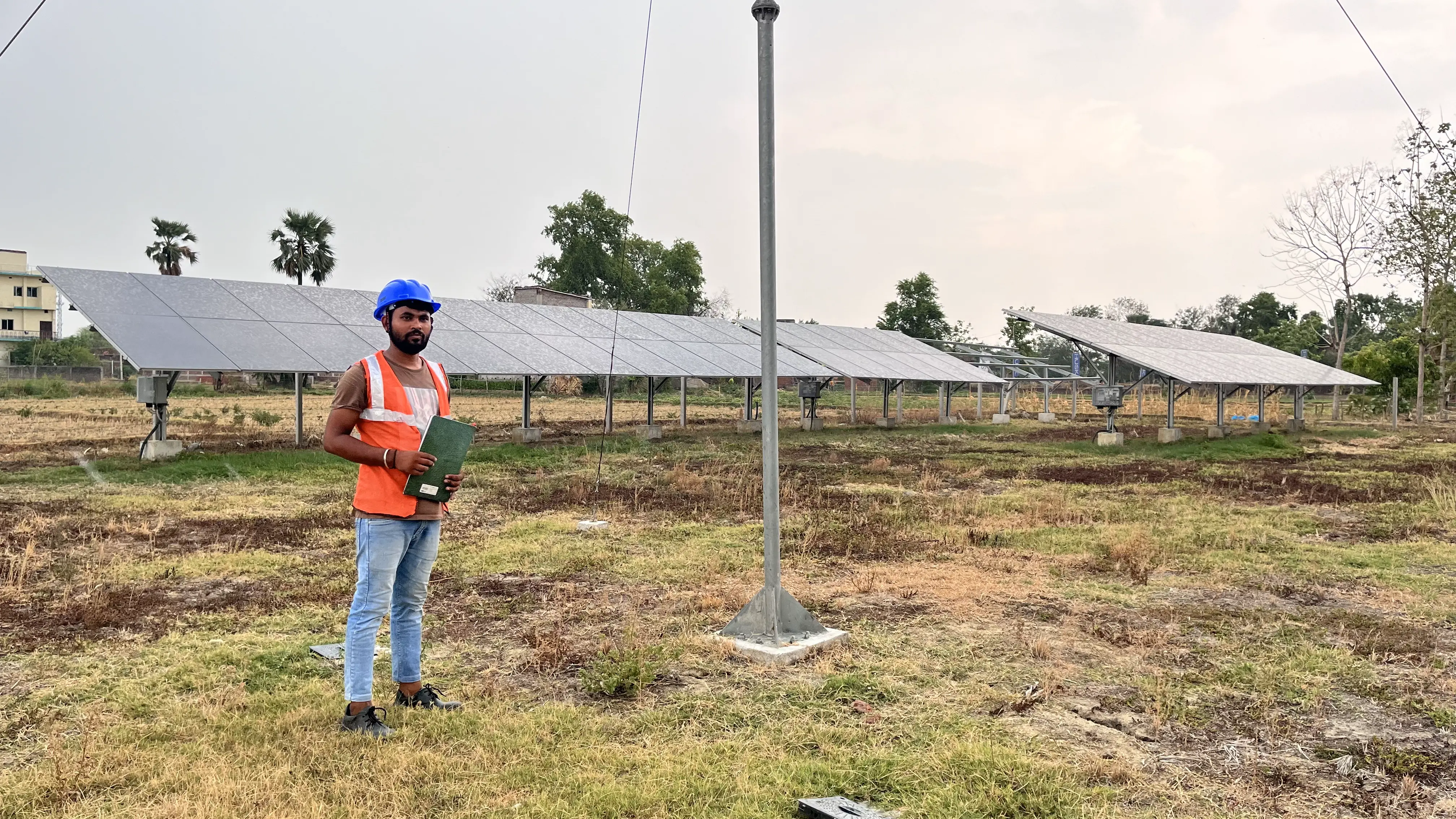
Pintu Kumar, Electrician at Husk Power’s Gurua mini-grid plant poses with solar panels in Gaya district, Bihar. Photo: Sneha Richhariya
Suno India’s Sneha Richhariya travelled to the neighbouring villages in Gaya district of Bihar to understand how renewable energy is penetrating in Bihar. This episode from Suno India’s Climate Emergency series explores the extent of solar adoption in the state and looks at whether solar adoption in Bihar transcends socio-economic factors like income, occupation and caste.
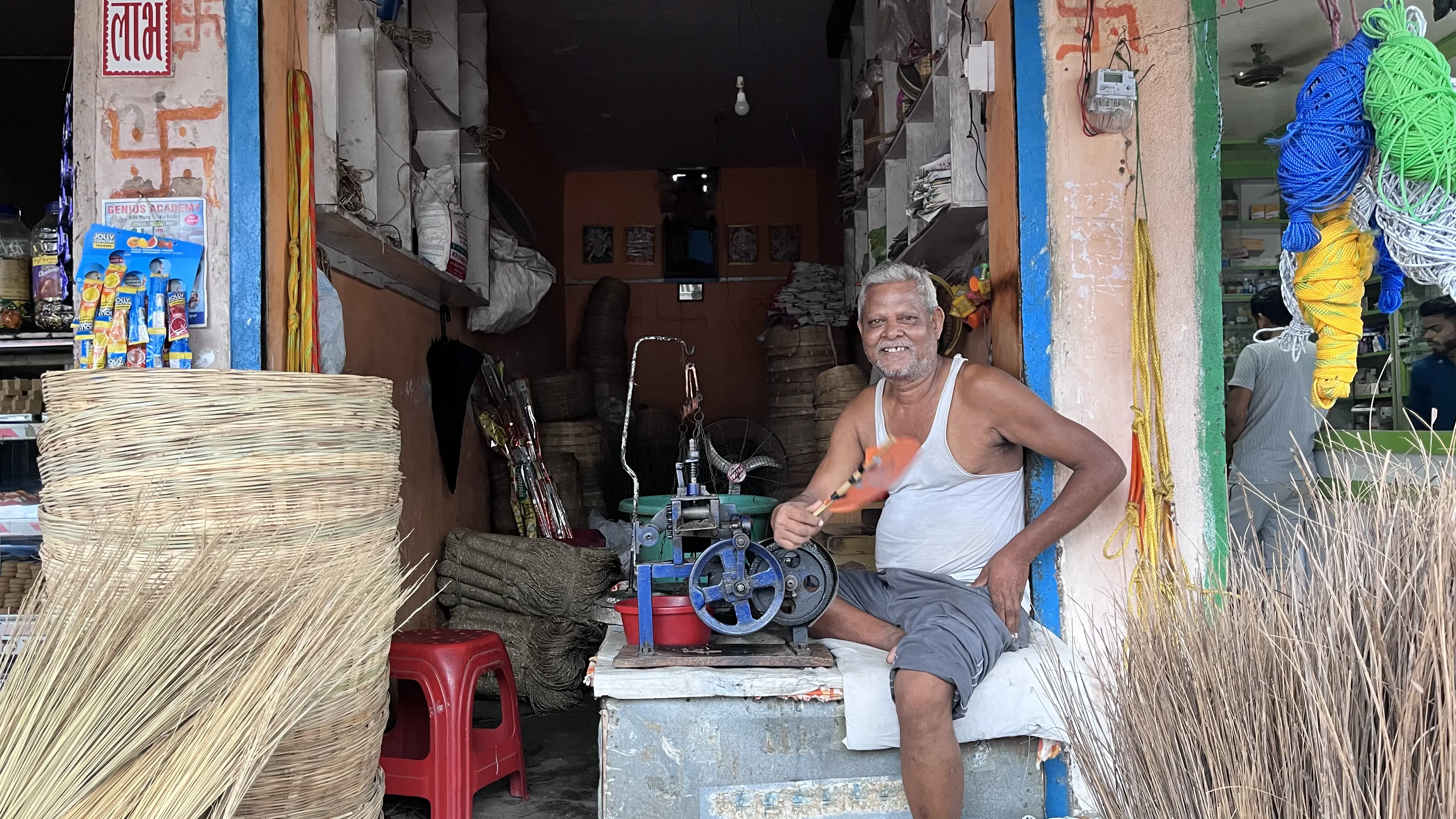
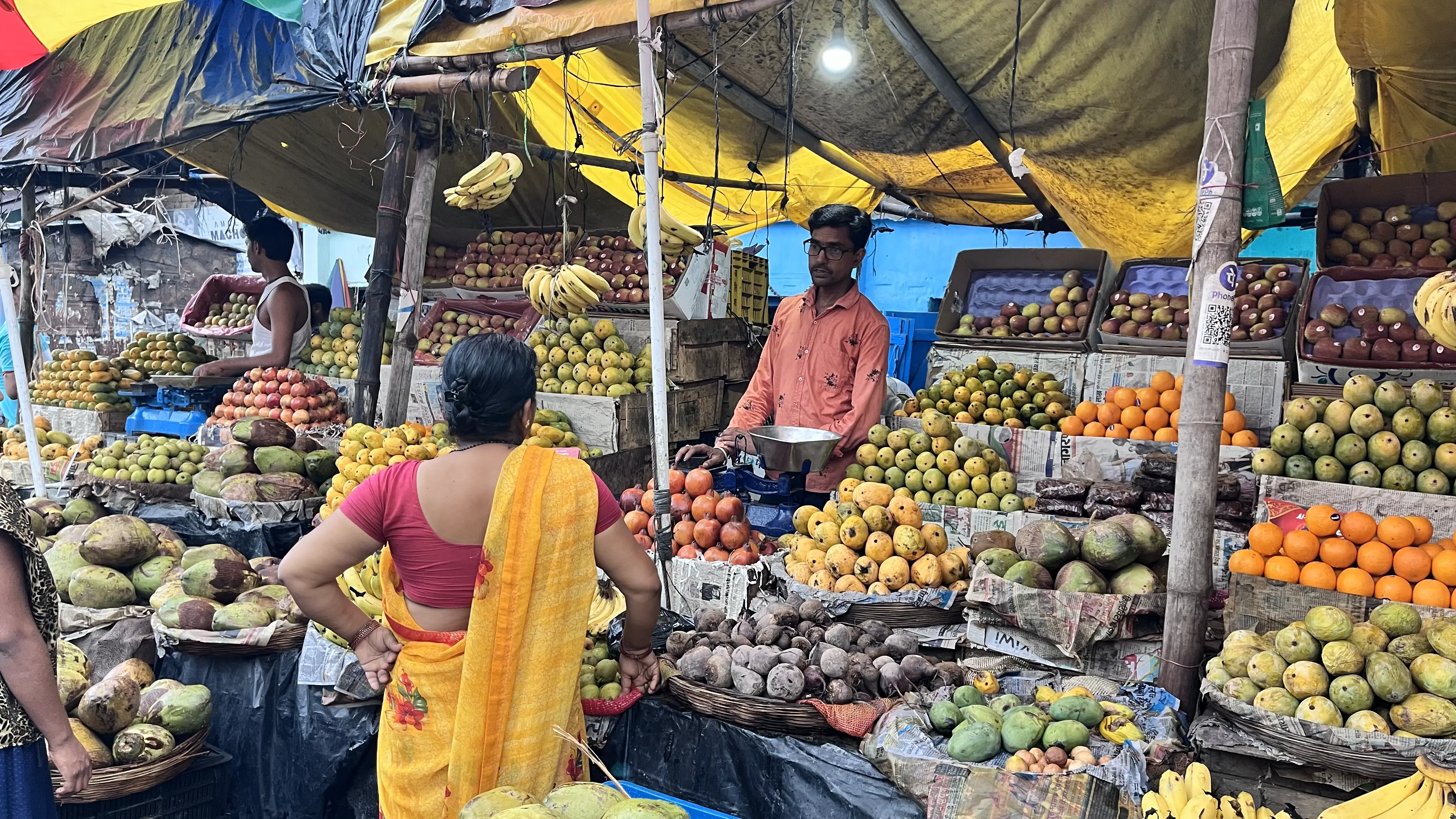
(Left) Kapil Dev Prasad has given up Husk Power’s connection because he found is expensive. He says he has endured consistent power cuts. (Right) A local fruit vendor uses a bulb powered by electricity from Husk Power. Photos: Sneha Richhariya
In the mainstream imagination of India’s medical history and traditions, most people think largely of Ayurveda, Yoga and perhaps of Siddha and Yunani/Unani. But there is far more diversity in South-Asian medicine, and this past and culture has been largely ignored due to the harmful filter of Orientalism.
In this episode, Suno India’s Kiran Kumbhar discusses this history by focusing on the problematic cognitive framework of Orientalism, which has been internalized by most elite Indians including those who write popular forms of history.
How did Orientalism during the British colonial period radically change the ways in which people in the subcontinent looked at their past and present? How does Orientalism continue to shape how we frame our history and culture, including the history of medicine and healthcare?