Trigger Warning: This article contains descriptions of suicide.
Guru Dutt, one of India’s most revered filmmakers, would have turned 100 this year.
Dutt is celebrated for creating masterpieces like Pyaasa and Kaagaz Ke Phool (Hindi for ‘Parched’ and ‘Paper Flower’, respectively) that inspired generations of filmmakers. Yet, as his biographer, I was struck not just by his cinematic genius, but by the constant, silent struggle he endured as his mental health disintegrated parallelly to the release of some of his best work. In this milestone centenary year, it feels essential to confront the shadows that long lingered behind the brilliance of his work, a pain buried for too long. In the high-stakes world of filmmaking, particularly in South Asia, the same shadows persist even today—mental health remains a glaring blind spot. But first, let’s return to Dutt’s unfinished story.
As a biographer, I was curious about what troubled the auteur, who kept trying to end his life until he succeeded at the young age of 39. Dutt’s younger sister and artist, the late Lalitha Lajmi, had witnessed his life and times at close quarters, and shared vivid memories while collaborating for my biography on Dutt.
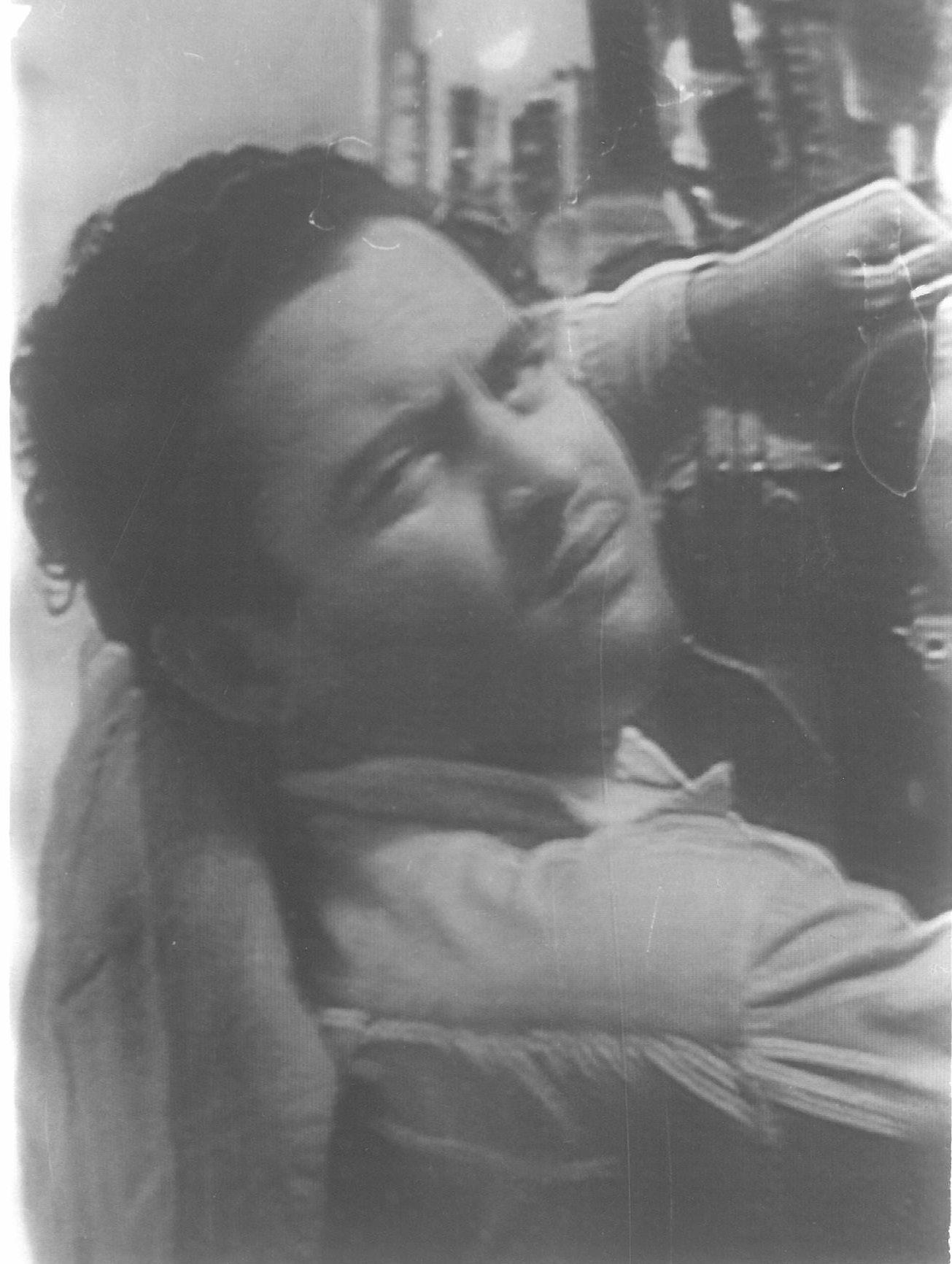
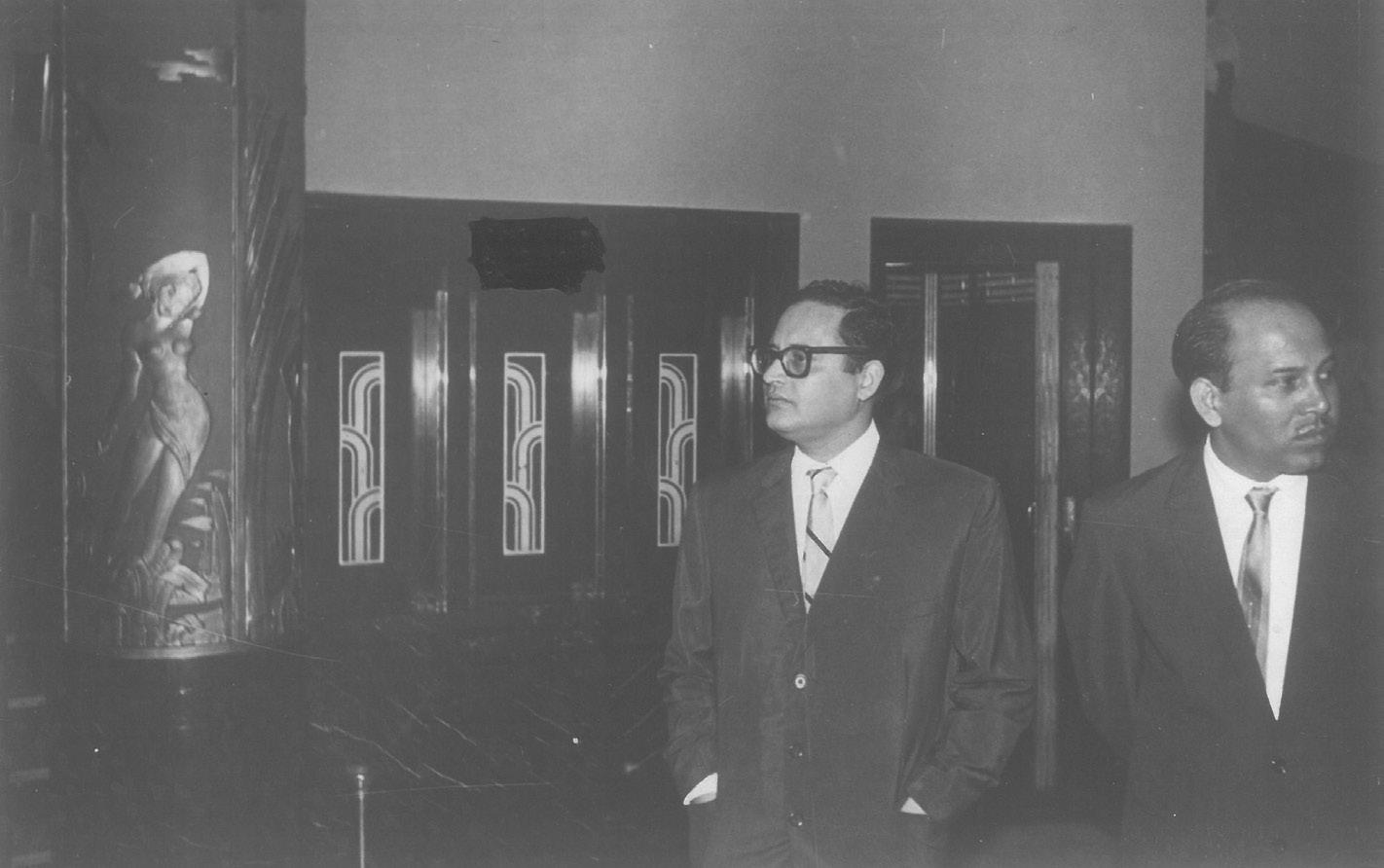
Left: Guru Durr in Pyaasa (1957); Right: Guru Dutt and Abrar Alvi at the premiere of Pyaasa
It was in 1956 when Dutt’s dream project Pyaasa (the only Hindi film to make it to the ‘100 Greatest Films of All Time’ list by Time magazine) was nearing completion. This is when news broke about Dutt’s attempted suicide. The 31-year-old had swallowed a copious amount of opium. In my book Guru Dutt: An Unfinished Story, Lajmi remembered: “I knew he was in turmoil… When the news came, we were stunned. I remember his body had turned cold and his vision had blurred. He kept repeating, ‘I’m becoming blind, I can’t see…’”
People close to Dutt could never really know if this move was due to skirmishes in his personal life, mood disorder, philosophical reasons or just poor impulse control. Neither did they seek professional help after he was discharged from the hospital. With scarce conversations around a socially stigmatised topic and big money riding on the magnum opus Pyaasa, Dutt found little time to address what was happening to him.
The rejection of the world and life itself was a prominent theme of Pyaasa. The movie became a major commercial and critical success and catapulted Dutt into stardom. Next came the brooding, quasi-autobiographical Kaagaz Ke Phool, which mirrored Dutt’s own story, his unhappy marriage and his confusing relationship with his muse. It eerily ends with the death of the protagonist, a filmmaker, after failing to come to terms with his acute loneliness and doomed relationships. Kaagaz Ke Phool, now considered a classic, was rejected by audiences when it was released in 1959. It broke his heart and confidence so much that he never officially directed a film after that. “He was sleepless and in a terrible state of mind. His constant refrain was: ‘I think I will go crazy,’” Lajmi told me in my book.
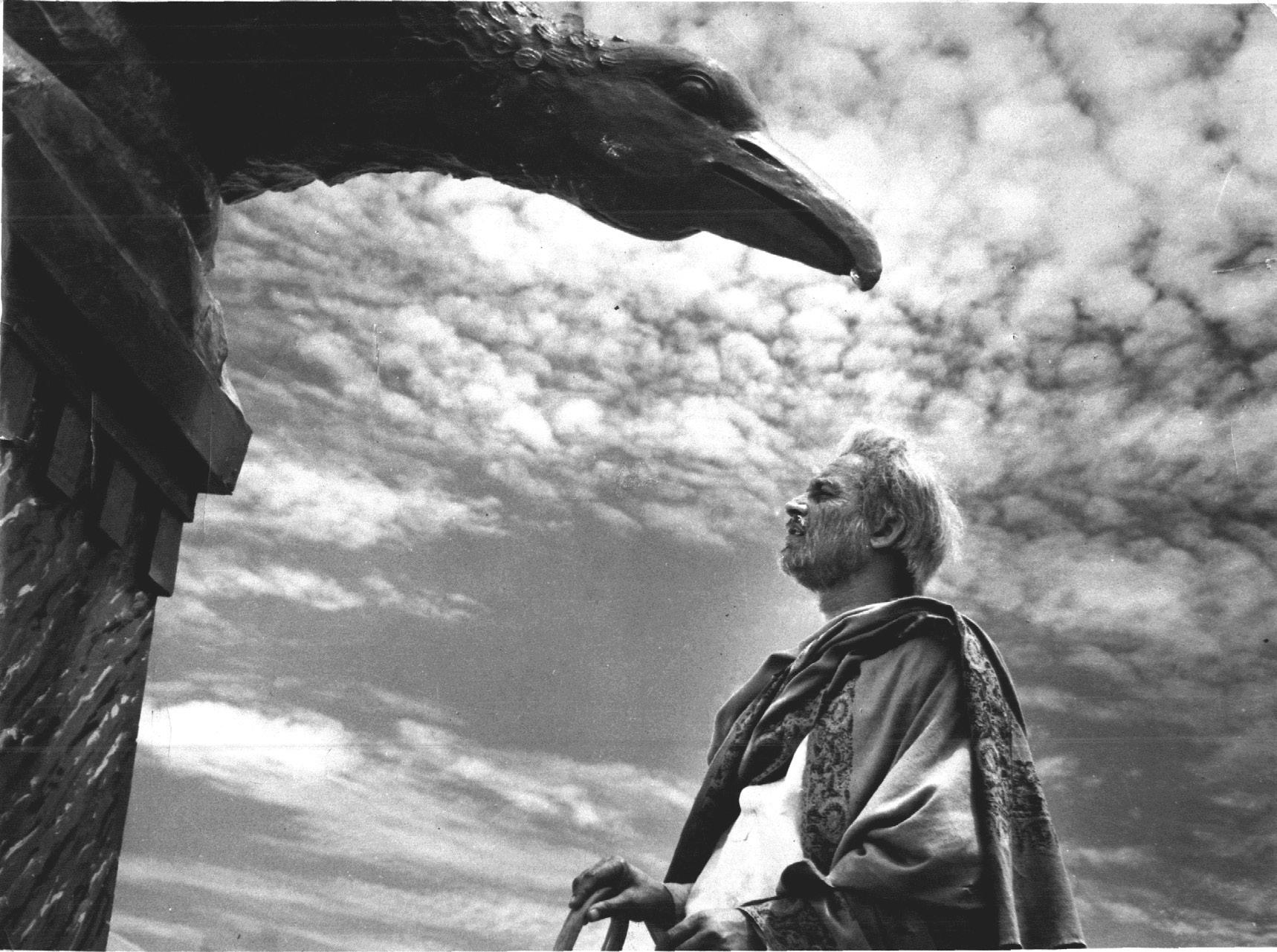
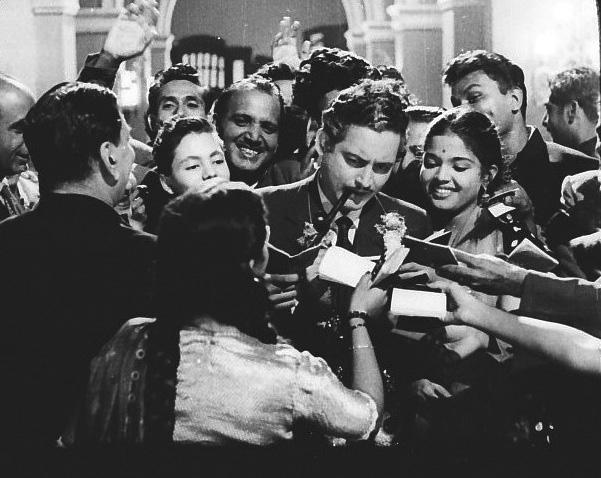
(Left) A shot from Kaagaz Ke Phool (1959) filmed inside Vauhini Studious, Madras; (Right) Kaagaz Ke Phool (1959): The rise of the director. Fans lining up for autographs.
The celebrated cinematographer VK Murthy recalled a heartbreaking conversation with Dutt in an interview: “Kaagaz Ke Phool upset him very much… he (would quote) a line from Pyaasa: Agar yeh duniya mujhe mil bhi jaye to kya hai? (Even if I get the world, what does it matter?) I asked him why he said that. ‘Mujhe waise hi lag raha hai. Dekho na, mujhe director banna tha, director ban gaya; actor banna tha, actor ban gaya; picture achcha banana tha, achche bane. Paisa hai, sab kuch hai, par kuch bhi nahi raha (I feel this way. I wanted to become a director, I became one; I wanted to become an actor, I became one; I wanted to make good films, I made them. I have money, I have everything, yet I have nothing).”
Lajmi recalled that at that time, the family believed that Dutt had internalised the serious characters of his dark films leading to his inner turmoil. But what was even more tragic was that his suffering was evident, yet neither he nor those around him sought professional intervention as mental health awareness was simply nonexistent in 1960s India.
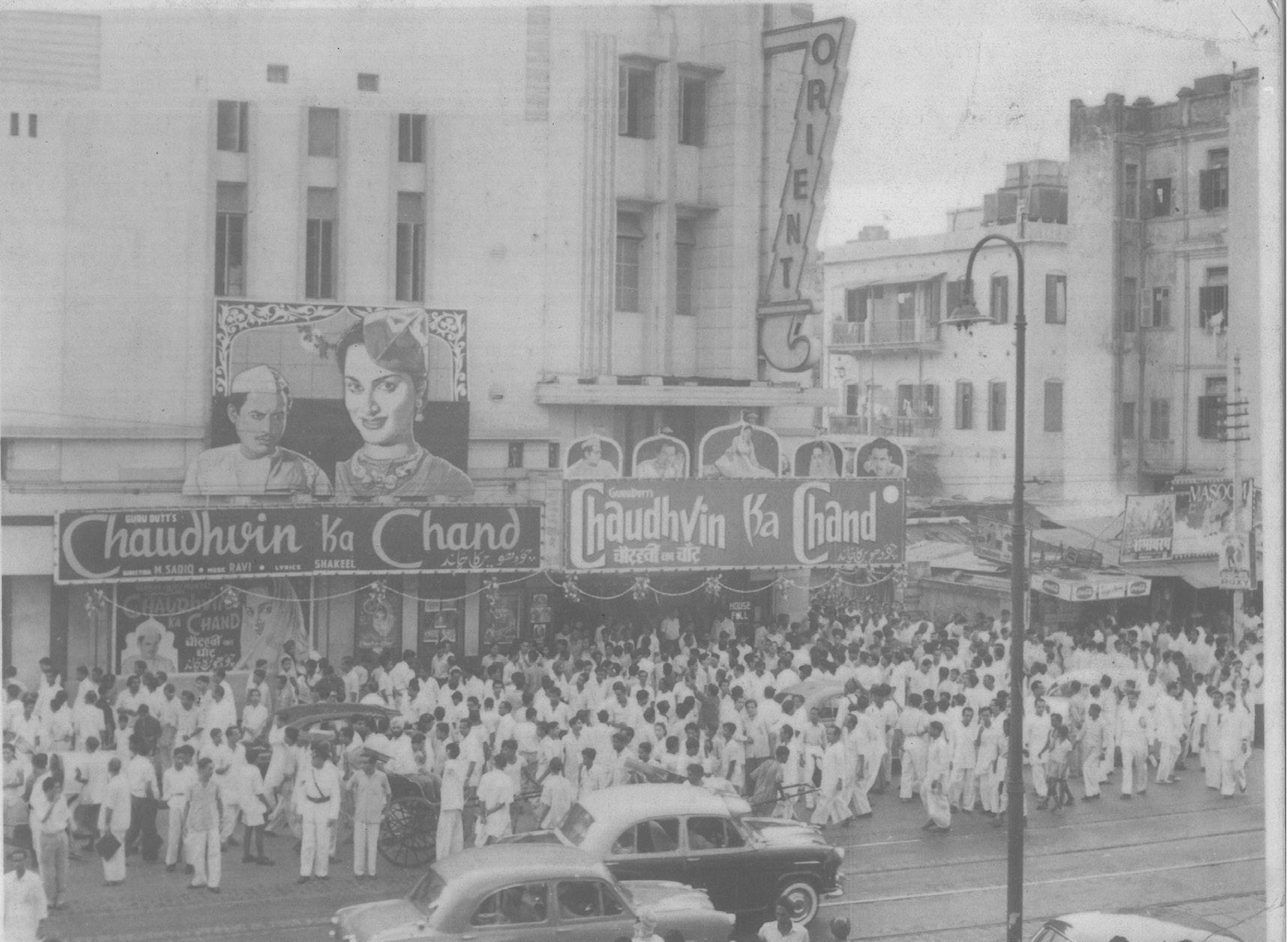
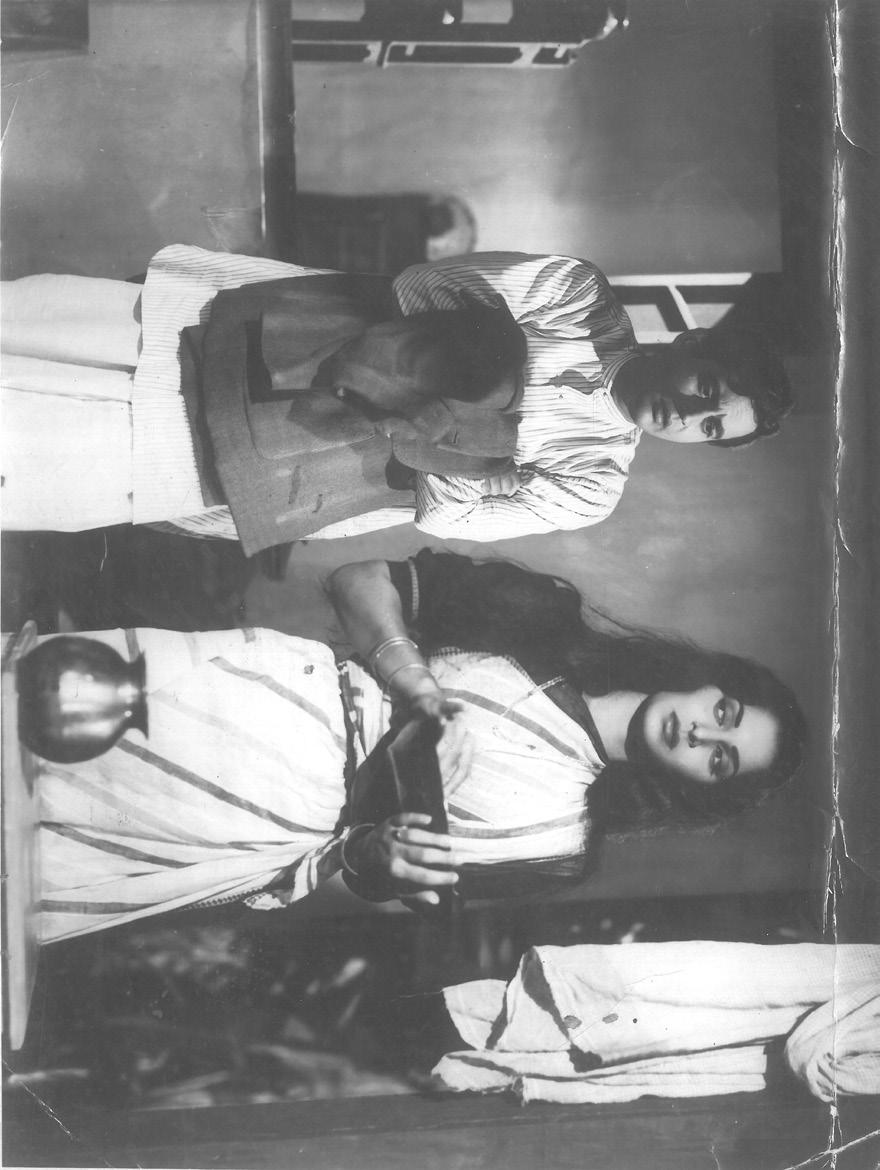
(Left) Chaudhvin Ka Chand (1960): Guru Dutt’s biggest commercial success ever; (Right) Guru Dutt and Waheeda Rehman in a still from Sahib, Bibi Aur Ghulam (1963)
Lajmi recalled: “Even though his next Chaudhvin Ka Chand was a huge success, Dutt’s melancholy persisted. By Sahib Bibi Aur Ghulam, which won the President’s Medal, he appeared to be in deep depression—though never formally diagnosed.”
Soon after, in a shocking move, on his birthday in 1963, he demolished his own bungalow, his dream house in Mumbai’s Pali Hill neighbourhood. Then one night, he swallowed 38 sleeping pills – his second attempt at suicide.
“The second time, it was an overdose of sleeping pills. His body had gone completely cold. He was unconscious for three days,” Lajmi recalled in Guru Dutt: An Unfinished Story, adding he never spoke with her about his repeated suicide attempts, “Sometimes he used to call me. I would rush to him even in the middle of the night. But he would sit in silence. I felt he wanted to say something. But he never really confided. Never. He was disturbed.”
After he survived the second suicide attempt, his friend and writer of Sahib, Bibi our Ghulam, Bimal Mitra is quoted him in his book, Bindira (Sleepless), asking him: “You have fame, you have wealth, you have the adoration of the masses. You possess all that most people crave for! Why are you so dissatisfied with life?” Dutt replied, “I am not dissatisfied with life, I am dissatisfied within myself.”
‘Madness’ and Media in South Asia
The media industry of the 1960s India turned Dutt’s pain into salacious gossip, reducing his suicide attempts to a failed love affair and a broken marriage, even blaming his wife, Geeta Dutt, for his condition.
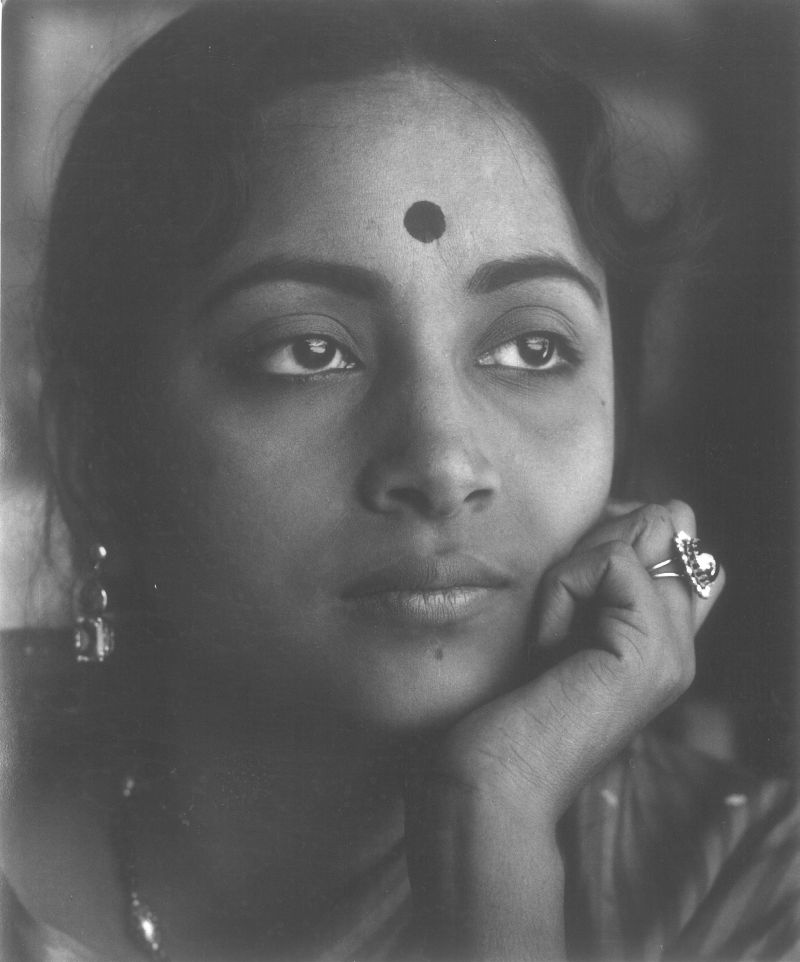
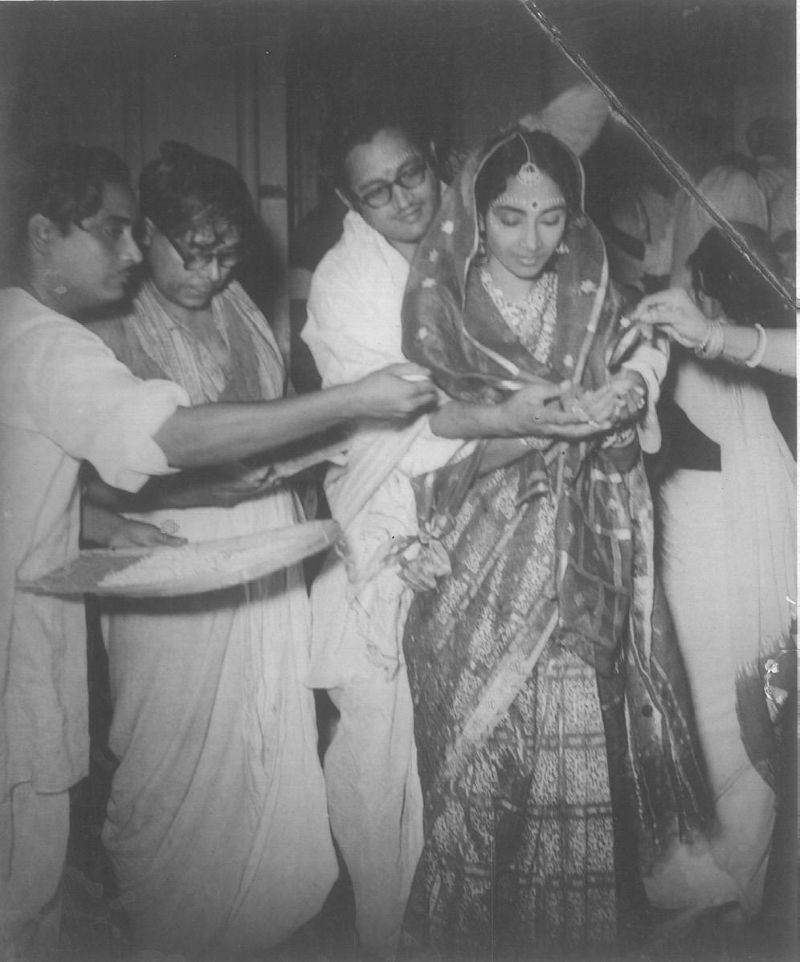
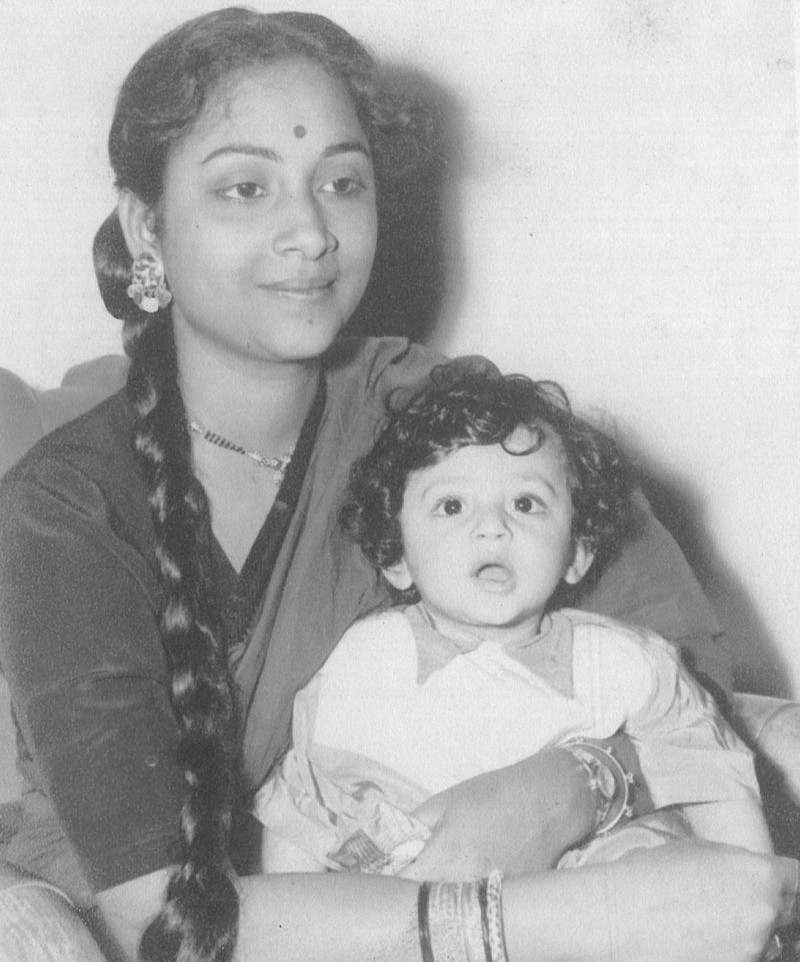
1) Geeta Dutt—The star singer who married a struggling film-maker; 2) Guru and Geeta Dutt at their wedding; 3) Geeta with a young Tarun Dutt, their son.
Geeta told me: “I was much younger than him and in those days, no one really talked about such things. In 1963, as suggested by his doctor, we also called a psychiatrist but he charged Rs 500 for a visit. My brother Atmaram laughed that he was ‘just talking’ with Guru and he is so expensive. We never called the psychiatrist again.”
Dutt’s final rejection of the world came swiftly. On October 10, 1964, he was found dead in his room, a glass of pink liquid — sleeping pills, Sonaril, crushed and dissolved in water — on the side table.
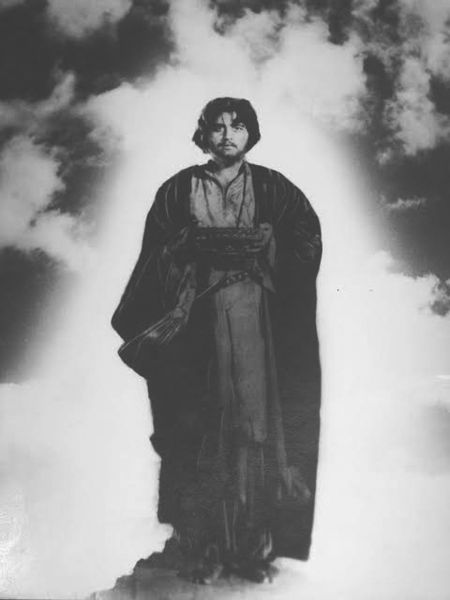
Left: Shooting still from K. Asif’s Love and God. Dutt was playing Majnu but passed away before completing the film. This was supposed to be K. Asif’s next mega project after Mughal-E-Azam.
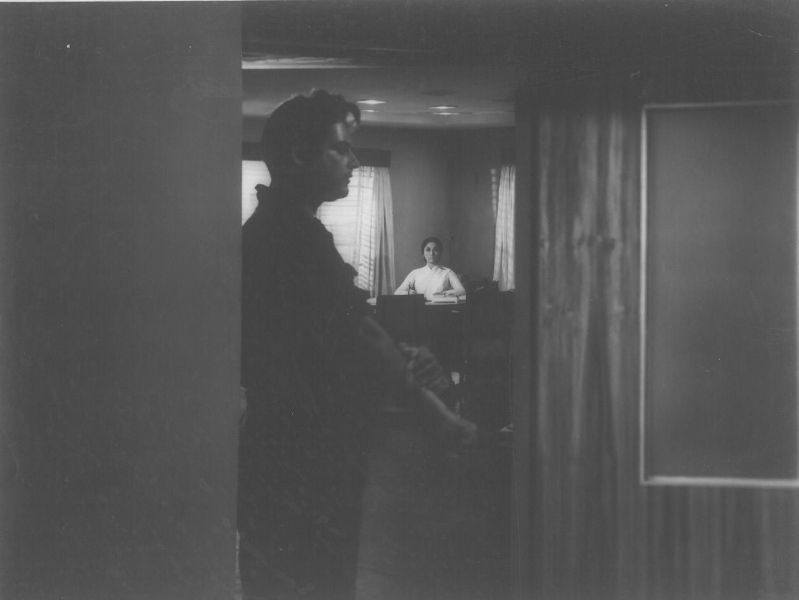
Right: Guru Dutt’s final scene, the film is Baharen Phir Bhi Aayengi (1966). Playing a reporter in the film, he resigns from his job. He throws his resignation letter on the table and tells his editor (Mala Sinha), “Whether you accept it or not, this is my resignation. I am going.”
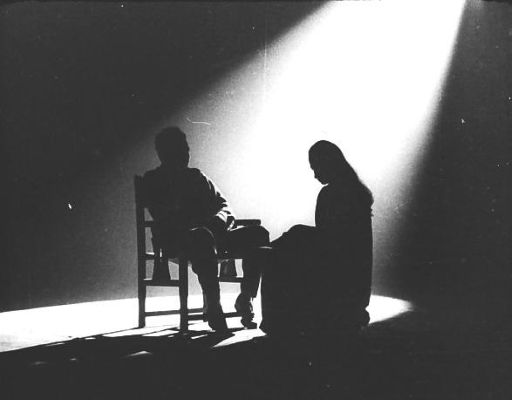
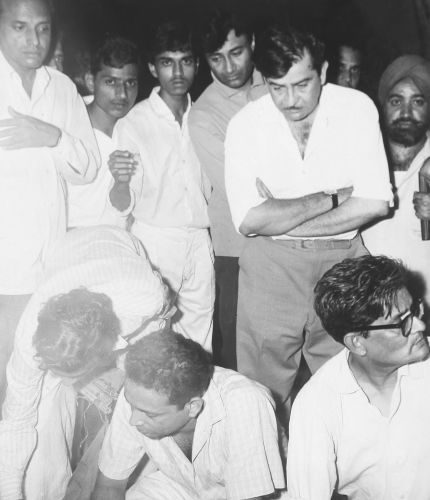
Left: Guru Dutt and Waheeda Rehman in Kaagaz Ke Phool (1959); Right: Indian actors Dev Anand and Raj Kapoor at Guru Dutt’s funeral
Once again, the media reduced his death to a tragic romance, putting the blame between his wife or his muse, weaving it into legend. But no one addressed the crucial question around his mental health.
In fact, even the six decades since Dutt’s death, there’s been little effort to address mental health in the industry.
“When it comes to mental health, it is very much real to have a sense of perceived discrimination, stigma and hesitancy in seeking help leading to delayed intervention,” Dr Samir Parikh, a psychiatrist and director of the Department of Mental Health and Behavioural Sciences at Fortis Healthcare, tells Asian Dispatch. “A surgeon, a journalist, an athlete and a politician – they all have different kinds of stresses. But if you’re in an industry where ‘How many people constantly appreciate your work?’ is at the core of what you do than the peoples’ involvement, it also becomes a part of the entire process. Just because you become accustomed to adulation of people does not mean you don’t feel human emotions or you do not feel hurt. It is even more exaggerated.”
Dutt’s struggles weren’t the only one within the Indian film industry. The six pivotal decades since his death have been lost opportunities for change.
In the 1980s, when leading actress Parveen Babi was reportedly diagnosed with schizophrenia, the media industry didn’t grasp her ordeal. In fact, it sexed up her “madness.” Cover stories analysed her collapses with voyeuristic relish, quoting lovers, producers and directors bemoaning their loss instead of her suffering.
In several headlines such as “What drove Parveen to another breakdown? 12 concerned men reveal the real story” (Star & Style, Sept 16-29, 1983) and “EXPOSED! A common factor in Babi’s three breakdowns” (Stardust, October 1983), the narrative wasn’t of a woman battling a frightening illness; it was one of how her illness intruded upon others. Filmmaker Vijay Anand is quoted by the 1983 edition of Star & Style as saying: “There’s no doubt her illness is a genetic problem. I personally feel she should give up working and settle down.”
Piece on Parveen Babi’s ‘breakdowns’ in Star & Style magazine, 1983. Sourced from archives by Usman.
“The treatment of Parveen Babi was widely documented and even today you’ll see people using similar language very casually — mental illnesses as a slur or insult — which really can be hurtful,” Amrita Tripathi, the founder-editor of The Health Collective told Asian Dispatch. Babi’s reported schizophrenia made her an outcast in the world she once ruled. Isolated and forgotten, she withdrew first from stardom, then from life—until she died alone in 2005.
A decade later, in the 1990s, another Bollywood actor Raj Kiran disappeared, owing to his battle with depression. In 2011, there were news stories of him being sighted in a mental facility in Mumbai and later in Atlanta. Thankfully, his story lacked the tabloid frenzy of Babi’s. But the end was the same: Silence, neglect and an industry that simply looked away.
In Pakistan, too, the silence around mental health has been deafening. Waheed Murad, the nation’s beloved “chocolate hero,” reportedly spiralled into depression as his career faded. Yet, neither he nor anyone close to him acknowledged the issue. When he died in 1983, the media fixated only on the question: Was it suicide or a heart attack? Was he depressed or simply heartbroken by failure? Never once addressing the possibility that mental illness might have played a role.
Years later, Pakistan’s famous film and TV actress in the 1970-80s, Roohi Bano’s battle with schizophrenia met the same fate. Senior Pakistani journalist and film critic Omair Alavi told me: “In South Asia, particularly in India and Pakistan, ‘hero worship’ elevates actors to near-mythical status. But when the spotlight shifts and audiences move on, the descent can be brutal. For stars already battling mental health struggles, this pressure can be devastating.”
When Murad died at 45, media narratives fixated on his alleged suicide, Alavi adds, framing it as a failure to cope with fading stardom rather than a lack of mental health support. “Bano’s tragic case was covered with almost no empathy for her schizophrenia delving more into tabloid-style gossip,” he says.
Different countries and different people, but same stories and the same lack of empathy. In all these cases, the underlying issue—mental health—was buried beneath scandal and silence. Sometimes, the non-A listers escaped the wrath of being in public glare. Was it a blessing in disguise?
In another South Asian country, Bangladesh, actor Salman Shah, hailed as the “First superstar of modern Dhallywood,” was found dead in 1996 amid rumours ranging between a family feud to an affair. Shah’s ex-wife, Samira Haq, later revealed that there were multiple suicide attempts. “He (Imon) was mentally suicidal by nature. He attempted suicide three times before his death. You can check the records of Metropolitan Hospital,” she told Bangladeshi publication, Daily Sun.
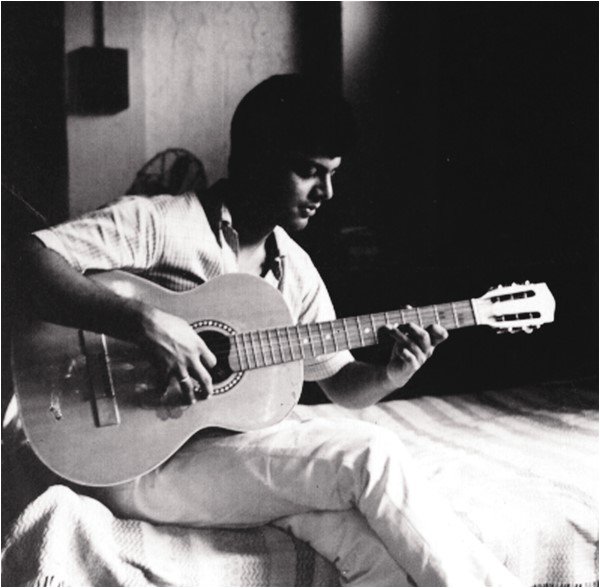
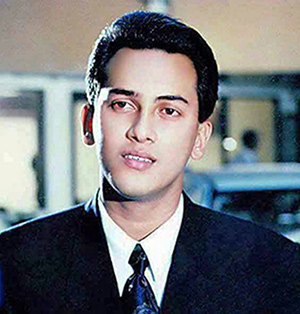
Left: Waheed Murad, Pakistan’s beloved ‘chocolate hero’. Photo: Wikimedia Commons; Right: Salman Shah, the first superstar of Bangladeshi cinema. Photo: IMDB

In Nepal too, the tragic death of film actor Saruk Tamrakar in 2023 sparked a debate on mental health in the filmmaking community there. “As a journalist covering celebrities, I’ve observed how, in Nepalese society, wealth and fame often overshadow personal struggles. Tamrakar’s passing was a shock, but had he spoken out, many might have dismissed him as attention-seeking. That’s also a harsh reality celebrities face when dealing with mental health issues,” says Anish Ghimire, culture and lifestyle editor at The Kathmandu Post.
In South Asian societies, even hinting that a star struggles with mental health is deemed a career-ending move. British-Indian actress Jiah Khan, who acted in big Bollywood films like Ghajini, Housefull and Nishabd, died by suicide on June 3, 2013, at a very young age of 25. Her six-page suicide note hinted at a young woman’s silent battle with depression under tremendous personal and professional pressure.
“The perception problem with mental health issues in India is, firstly, an absolute denial, even in private, let alone public,” senior film critic and newspaper editor Mayank Shekhar told Asian Dispatch. “This problem grows all the more with the rich or accomplished or famous—the popular argument being, since they’re doing so well, what could they be suffering from, say, depression for? This altogether ignores the dimensions of darkness and disease.”
Shekhar adds: “With cinema heroes, perhaps, it gets worse, because they also have a public/screen image to zealously project and protect.”
A Space for Change
Surprisingly, the past decade saw a shift. Mental health conversations slowly entered the mainstream, chipping away at long-held stigma. A pivotal moment came in 2015 when Bollywood star Deepika Padukone openly shared her battle with clinical depression.
“Being able to define my condition was an important first step on my path to recovery,” she told The New York Times, recalling how she first experienced symptoms in 2014 after fainting from exhaustion. Her admission was unprecedented in an industry where vulnerability was rarely acknowledged, let alone discussed and it sparked nationwide discussions. Even Hrithik Roshan, Bollywood’s ‘greek god’, opened up about dealing with feelings of depression saying he “was dying” during the filming of his action film War (2019): “I was completely lost, and that’s when I knew that I needed to make a change in my life.”
Then in 2020, Bollywood actor Sushant Singh Rajput’s tragic death in 2020, during the COVID-19 pandemic, pierced through that illusion of progress, and showed how little has changed since Dutt’s time.
Rajput’s death spiralled into sensationalism as the media, the film industry and even many mental health professionals – hungry for publicity – turned his death into a spectacle. His struggle with mental health was dissected like a mystery to be solved or, worse, a dark secret to be exposed. For months, news outlets reduced the complexities of mental illness to simplistic narratives that fed into societal prejudices. Such voyeurism surrounding his death undid years of awareness and empathy, casting mental health once again into the realm of ridicule. This coverage dragged the issue of mental health back into the realm of shame and speculation.
“While there is no doubt (even anecdotally) that awareness about mental health challenges has improved, there is so much sensationalism in our media coverage; which the tragic Rajput case makes evident,” Tripathi, from The Health Collective, says. “There are clear guidelines for reporting on suicide, which are meant to protect against suicide contagion or the Werther effect. It’s beyond troubling that media organisations, journalists and nowadays even ‘influencers’ choose not to follow them or even remain unaware or oblivious to the damage they may be causing.”
She adds: “There is a need to educate ourselves and others on the responsibility we bear towards each other and especially the most vulnerable — the first principle should be to do no harm.”
In recent years, more South Asian stars like Mahira Khan, Meesha Shafi, Shraddha Kapoor, Imran Khan, Alia Bhatt, Arjun Kapoor, Imran Abbas, and others have bravely opened up about their battles with anxiety, depression, and mental health.
Tripathi says that since the pandemic, people – at micro and macro levels – have more awareness and conversations about mental health. “I do believe young people are at the forefront of this— mainstreaming and ‘normalising’ the conversation around mental illness and not judging each other for seeking help when it’s needed,” she says.
Popular cinema and stars in South Asia hold immense influence, shaping perceptions across both the masses and the elite. In 2016, a standout example from Bollywood emerged, called Dear Zindagi, featuring Shah Rukh Khan — arguably the subcontinent’s biggest star — as a charming psychiatrist Dr Jehangir Khan, alongside Alia Bhatt as a young woman seeking therapy. In his paper titled ‘Mental illness in Indian Hindi Cinema’, Ramakrishna Biswal from the National Institute of Technology, Rourkela, had noted how the “depiction of the mental health professional, mainly psychiatrist, in films such as Damini (1993), Dilwale (1994), and Kyon Ki (2005) were shown to be Mr Evil, unprofessional, insensitive, unscientific, apathetic, comic fillers and boundary violators.”
“[Dear Zindagi broke that pattern and] is the first of its kind to correctly show the therapeutic relationship between the mental health professional and the patient,” Biswal told Asian Dispatch.
When A-list actors normalise conversations around mental health on screen, it paves the way for real change. “The only way to advance mental health as a cause is for public figures—those who are followed and respected—to consistently speak about it,” Parikh adds. “There needs to be a seamless integration of mental health awareness across society. Equally important is the role of healthcare providers, sustained funding, and government policies. Only when these elements align can large-scale change become visible.”