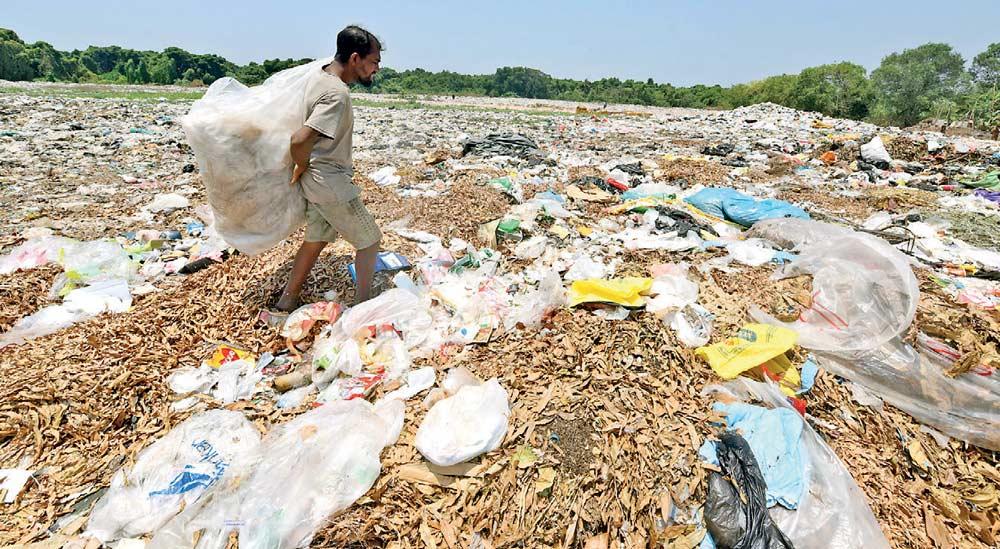
Colombo is a high risk MOH area for dengue due to the lack of a proper solid waste management system. Photo: Kithsiri de Mel
Three-year-old Nethmi Sehansa* from Dematagoda, a suburb of Colombo, succumbed to dengue in May 2023. Her parents and elder siblings remain devastated by her untimely demise. Even though they had big plans for their little daughter, the dengue endemic shattered their dreams.
The Western Province of Sri Lanka had been identified as a high-risk Medical Officer of Health (MOH) area since 2010 with a high density of dengue infected patients. As of March 1, 2025, as many as 4119 cases have been reported from the Western Province, which is the highest recorded number of patients among nine other provinces in the country. The fact that many dengue cases have been reported during a usually low peak season has raised concerns among health officials.
- As of March 1, 2025, as many as 4119 cases had been reported from the Western Province
- Western Province of Sri Lanka had been identified as a high-risk Medical Officer of Health (MOH) area since 2010
- Increasing evidence also suggests that peak dengue seasons may stretch due to unseasonal rains and warmer temperatures
Surge in Dengue Cases
Dengue is a viral infection transmitted following the bite of infected Aedes species of mosquitoes. According to the National Dengue Control Unit, dengue has a seasonal transmission with two peaks occurring with monsoon rains between June-July and October-December respectively.
Usual symptoms of dengue fever include high fever, pain behind eyes, severe headache, nausea, vomiting etc. Little Sehansa had had high fever and her parents took her to the hospital on the second day. The doctor had asserted that her platelet count was low and advised her parents to admit her to the hospital. Unfortunately, the doctors couldn’t save her life.
Since the beginning of 2023, the National Dengue Control Unit (NDCU) in Sri Lanka has reported 36,628 dengue cases. These figures are around three times higher than the cases reported during the same period in 2021 and 2022.
A 2024 research conducted to investigate reasons behind the outbreak of dengue in 2023 explains the fluctuating incidence of dengue fever that occurred in Sri Lanka since 1989. The largest outbreak due to dengue was reported in 2017 with 186,101 cases, associated with the cosmopolitan strain of the dengue virus (DENV) serotype 2. DENV-2 continued to be the predominant circulating serotype until October 2019. In Sri Lanka, the number of cases began to gradually increase from June 2022 onwards with a total number of 89,799 cases reported in 2023, with 18,650 from Colombo equivalent to one fifth of the caseload. Usually, Sri Lanka has two seasons of intensified dengue activity coinciding with the monsoon seasons. One season typically spans November to early February and the second season runs from May to July.
According to Dr. Preshila Samaraweera, Consultant Community Physician at the NDCU, the endemicity of the dengue virus has increased since 2000. “Therefore the number of cases cannot be brought down to zero even during a drought period. Due to the tropical climate the incidence of dengue is high and there is high transmissibility,” said Dr. Samaraweera.
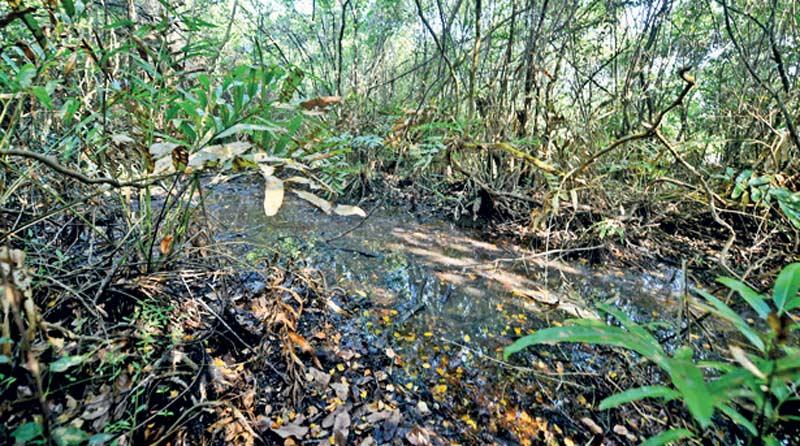
(Left) More rain also creates more stagnant water bodies and receptacles that mosquitoes may breed in.
When asked why there had been a sudden spike of dengue cases during the pre-monsoon period in 2025, Dr. Samaraweera said it cannot be described as a surge in cases because a similar trend had been observed during the past few years during the same period.
Dengue Vector and Climate Change
But increasing evidence also suggests that peak dengue seasons may stretch due to unseasonal rains and warmer temperatures.
More rain also creates more stagnant water bodies and receptacles that mosquitoes may breed in. Three of the four stages of the mosquito life cycle take place in water – eggs are laid in pools of stagnant water, which hatch into larvae and pupae which develop within them.
A 2020 research on climate change induced vulnerability and adaptation for dengue incidence in Colombo and Kandy explores how numerous models have predicted that climate change would increase the geographic distribution and potential risk of dengue incidence.
Relative humidity is a vital factor, which directly enhances the feeding frequency, inter sexual attractions and oviposition rates of Aedes mosquitoes. The adult longevity and survival success after being infected by DENV have also been found to increase under high humid conditions leading to a wide geographical dispersion of dengue.
Colombo – A High Risk MOH Area
As for the Colombo district, a combination of factors make it a highly vulnerable area for dengue fever. A study on the impact of environmental factors on the spread of dengue fever in Sri Lanka reveals that dengue fever incidence was caused by following factors: precipitation, wind, urbanization, land management, socio-demographic characteristics.
Consequently, western province possessed higher dengue cases (41% in 2017) than the eastern parts of the country (7% during the 2017 outbreak).
A 2024 research on dengue dynamics and environmental impact indicates that in Sri Lanka, the tropical climate, marked by seasonal weather primarily influenced by monsoons, fosters optimal conditions for the virus to spread efficiently. This heightened transmission results in increased per-capita vector density. Dr. Samaraweera further said that every year 45-50% of cases are always being reported from the Western Province of Sri Lanka. “Out of 57 MOH areas in the Western Province, a high number of cases are often being reported in areas such as Nugegoda. The reasons are manifold including high population density, flash flood situations after a heavy rain that would usually increase the number of stagnant water bodies and most importantly the lack of a proper solid waste management system,” said Dr. Samaraweera.
She said that potential breeding sites for the dengue vector include discarded items such as yoghurt cups, coconut shells etc., mostly found in the backyards of houses and commercial buildings.
Speaking about changes in weather patterns over the years, Dr. Lareef Zubair, Principal Scientist at the Federation of Environment, Climate and Technology, observe some ‘unusual rain events’ in dry seasons thereby delaying wet seasons at times. It appears that the frequency of such extremes has changed.
The endemicity of the dengue virus has increased since 2000. Therefore the number of cases cannot be brought down to zero even during a drought period. Due to the tropical climate the incidence of dengue is high and there is high transmissibility. —Dr. Preshila Samaraweera, Consultant Community Physician at the NDCU
“Certainly, the temperature highs, the air quality highs and evaporation has been exacerbated due to the already observed climate change. The argument that the warmer atmosphere has the capacity to hold much greater amounts of water vapour is sound and when large clouds burst it can lead to extreme rainfall,” said Dr. Zubair who had been observing weather patterns over the past 15 years.
He further said that people are experiencing a hydrological change. “Both maximum and minimum temperature is higher than in the last century. As a result, evaporation is much higher. Sri Lanka experiences lower air quality, which influences rain formation and the acidification of rain,” he stated.
Dengue Infection and Non-Economic Losses
So far, the dengue infection has claimed four lives during the first two months of 2025. In 2024, dengue claimed the lives of 24 individuals. Dr. Samaraweera further said that by reducing the number of cases, it would also save the expenses borne in treating patients with dengue. “When a patient is diagnosed with dengue, his or her economic productivity drops for three weeks. On the other hand the intensity of the infection varies from person to person. Therefore as the apex body to control dengue infections, we carry out targeted interventions such as fogging activities, source reductions and so on,” she added.
A 2014 study done on the economic cost of non-fatal paediatric dengue cases indicate that the average cost to hospital per case of dengue haemorrhagic fever (DHF) and dengue fever (DF) was SLR 24,856 (US$ 191) and SLR 10,348 (US$ 80) respectively.
Sehansa’s case is a classic example which indicates that dengue infection affects individuals irrespective of age. Other non-economic losses associated with dengue fever includes potential long-term health complications and psychological impact on caregivers.
However, the NDCU has been taking various measures to bring down the frequency of deaths by dengue. Dr. Samaraweera said that compared to 72 deaths in 2023 the number of deaths were brought down to 24 by 2024,” she added.
According to WHO, improper water storage practices and high population density are risk factors for dengue. But even though the authorities are taking steps to bring down the cases of dengue, V. Chithra, Sehansa’s mother, claims that even though fogging activities are being conducted by authorities on a regular basis, none of those interventions could save her daughter. “Fogging alone isn’t enough. If you check around these flats, the drainage systems are blocked and there are many stagnant water bodies. People aren’t interested in cleaning their sewage lines or cleaning the surroundings because poverty is a bigger burden they have to face on a daily basis,” she added.
In her comments, Dr. Anoja Dheerasinghe, Consultant Community Physician at NDCU said that there’s no stigma attached to the dengue infection unlike for diseases such as tuberculosis and HIV. When asked whether the urban poor is more vulnerable to the dengue infection Dr. Dheerasinghe said that people in highly populated areas are more vulnerable. “The population density in underserved settlements is high and the mosquitos’ flight range is between 100-200 metres. Therefore chances of an outbreak is highly likely in these areas and people therefore have to take all precautions,” she underscored.
The temperature highs, the air quality highs and evaporation has been exacerbated due to the already observed climate change. The argument that the warmer atmosphere has the capacity to hold much greater amounts of water vapour is sound and when large clouds burst it can lead to extreme rainfall. —Dr. Lareef Zubair, Principal Scientist at the Federation of Environment, Climate and Technology
According to the newly drafted National Strategic Plan for Prevention and Control of Dengue – 2024-2030, Sri Lanka has made a commitment to reduce dengue deaths to zero by 2030. The authorities are determined to bring down the average infection rate by 40%. But whether increasing risk factors such as climate change and the adaptability of the dengue vector would pose significant challenges in reaching this target, remains a doubt.
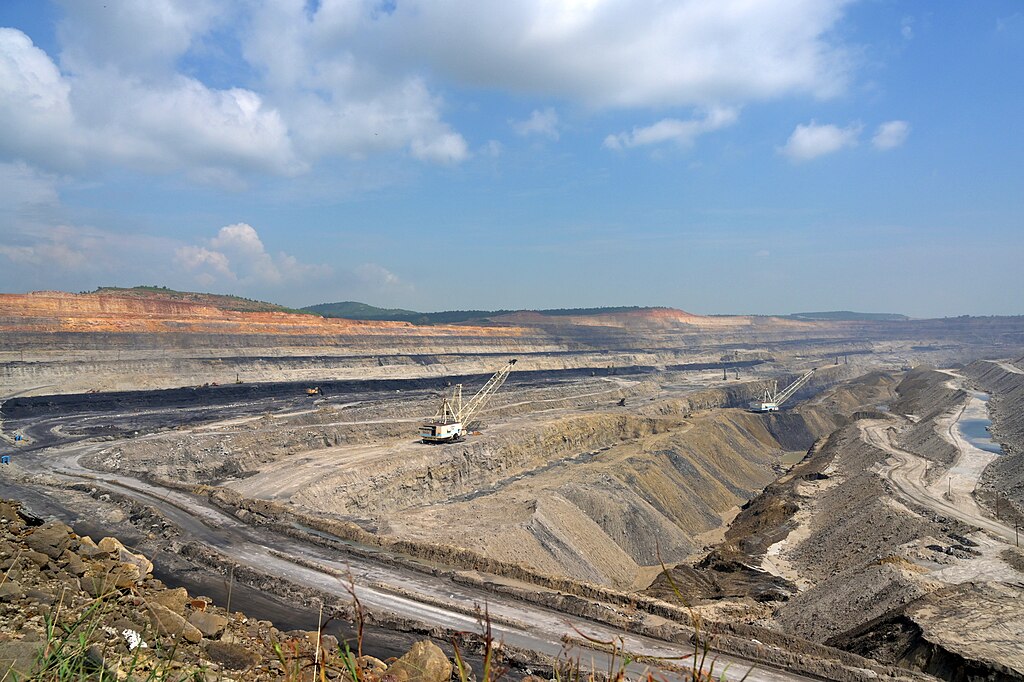
Representative image of an Indian coal mine. Photo: Wikimedia Commons

Coal has long been a primary energy source, fueling industries ranging from electricity generation to steel production, cement manufacturing, pharmaceuticals, and chemical synthesis. However, its use comes at a significant cost. The combustion of coal releases harmful gases such as carbon dioxide, sulfur dioxide, nitrogen oxides, and carbon monoxide, all of which pose serious threats to human health and the environment.
According to global research, air pollution caused by coal combustion claims approximately 800,000 lives annually, with the highest death tolls reported in countries like India and China. Recognising these dangers, the UN has consistently advocated for reducing coal use. UN Secretary-General António Guterres has called for an end to what he terms the “deadly addiction” to coal, emphasising that phasing out coal from power generation is essential to achieving the Paris Agreement’s goal of limiting global warming to 1.5°C.
Despite these warnings, countries including Pakistan continue to rely heavily on coal.
The Role of Energy Sources in Environmental Pollution
Pakistan ranks as the sixth-largest country globally in terms of coal reserves, with an estimated 184 billion tons, predominantly located in Sindh province. Senior journalist Raja Muhammad Saqib, based in Karachi, shed light on the environmental and health consequences of coal usage during an interview with TNN.
“While coal is undoubtedly an energy resource, its impact on human lives and the environment is devastating,” Saqib noted. He highlighted that the largest coal reserves are found in Tharparkar, with additional mines in Jamshoro. The Sindh Coal Mining Authority has divided the Tharparkar coalfields into six blocks, all of which are currently operational.
Currently, the Thar coal power plants generate 2,640MW of electricity, which is fed into the national grid. Future expansion plans aim to increase output to 3,960MW. Despite the sparse population in Jamshoro and Tharparkar districts, Saqib emphasised that coal-induced pollution affects millions of people.
“These effects are not confined to the districts or even the country—they cross borders, impacting communities on both sides,” he stated.
A 2020 study warned that emissions from Thar’s coal-fired power plants could affect nearly 100,000 individuals and result in over 29,000 deaths in the next 30 years. Respiratory diseases like asthma are on the rise, while children face increased rates of congenital respiratory conditions, diabetes, and heart diseases.
Experts estimate that Pakistan contributes only 0.8 percent to global carbon emissions. Even with the operation of coal-fired plants, this figure would not exceed 3 percent. Despite this, the environmental and health toll from coal usage remains alarming.
The discovery of coal in Tharparkar’s desert region, ranked among the world’s 20 largest coal reserves, has been hailed as a milestone. Electricity generation has already commenced under a public-private partnership, signaling a new chapter in Pakistan’s energy production. However, the long-term environmental and public health implications remain a pressing concern.
Pakistan’s Efforts to Reduce Dependence on Coal: A Push for Cleaner Energy
Pakistan has made various commitments over the years to reduce its reliance on coal as an energy source in alignment with international agreements. On December 12, 2020, then-Prime Minister Imran Khan announced during the “Climate Ambition Summit” that Pakistan would increase its dependence on renewable energy sources and pledged not to install new coal-fired power plants. However, despite these assurances, coal continues to play a significant role in the country’s energy production.
Recently, Federal Minister for Energy, Owais Leghari, highlighted steps taken by the Ministry of Energy to challenge planned projects for the next decade. These projects include major hydropower ventures like the Diamer Bhasha Dam, nuclear power initiatives, and renewable energy projects, all assessed for feasibility based on their cost-effectiveness for consumers and the economy.
Speaking at a hydroelectric power event in Islamabad on January 10, the minister revealed that under the “Power Generation Expansion Plan” for the next 10 years, only 87MW of the planned 17,000MW would meet the low-cost energy principle for integration into the system. He emphasised that transitioning from coal to cleaner energy sources would not disrupt the country’s energy needs. The government also plans to convert local coal into liquid or gas forms for energy use, avoiding direct combustion.
According to the minister, by 2030, 60 percent of Pakistan’s energy will come from alternative, environmentally friendly sources, and 30 percent of vehicles will run on electricity. These measures aim to combat the adverse effects of climate change, which have disproportionately affected Pakistan in recent years.
Environmental organisations such as the Alliance for Climate Justice and Clean Energy have welcomed these steps as a move in the right direction. They believe this strategy will help Pakistan reduce greenhouse gas emissions and mitigate environmental damage.
According to a BBC report, Pakistan’s solar energy production stood at 1,000MW in March last year. By March of this year, it had surpassed 1,800MW, reflecting a rapid increase in renewable energy capacity.
The shift towards cleaner energy is crucial for Pakistan as it battles the dual challenge of meeting its growing energy demands while addressing the pressing need for climate resilience. By focusing on renewable energy and reducing dependence on coal, the country is taking steps toward a sustainable and greener future.
“Approximately 90 percent of coal mines in Pakistan, particularly in Khyber Pakhtunkhwa, operate illegally, while only 10 percent are registered,” says Abid Yar, General Secretary of the Shangla Mines Workers Welfare Association (SAOMA). According to Yar, more than half of the coal miners in Pakistan hail from Shangla district. Even before Pakistan’s creation, Shangla’s labor force worked in coal mines and tunnels across Balochistan. Unfortunately, the lack of safety measures in these mines frequently results in fatal accidents. Over the years, many workers have lost their lives, while thousands have been left disabled.
Challenges in Mine Oversight and Worker Safety
Yar highlighted the inadequate oversight in Khyber Pakhtunkhwa, where only 14 inspectors are assigned to monitor thousands of coal mines across the province. “How can such a small team effectively inspect all these mines?” he questioned. He also blamed the contractor system for neglecting worker safety, stating that contractors prioritize profits over worker welfare.
Coal mines often contain hazardous gases, but safety equipment and precautionary measures are rarely provided. Additionally, there are no medical facilities or dispensaries near these mines to address emergencies. According to Yar, hundreds of accidents occur annually, yet no action is taken against mine owners or contractors. It is estimated that between 300 and 400 workers lose their lives every year in these mines.
Yar accused authorities of negligence, alleging that inspection agencies often accept bribes from contractors, turning a blind eye to safety violations.
The Paradox of Black Gold
Coal, often referred to as “black gold,” plays a critical role in the country’s economy. It is used in the production of bricks, cement, steel, and, most importantly, electricity. A single ton of coal sells for approximately PKR 50,000 to 60,000, and daily coal extraction from a single mine ranges from 200 to 300 tons. Given its high profitability, Yar claims that bureaucrats, politicians, and officials are complicit with mine owners in exploiting the sector for financial gain.
Despite coal’s economic significance, workers remain underpaid and exposed to life-threatening conditions. Laborers, earning between PKR 45,000 and 60,000 monthly, risk their lives daily in these mines. According to Yar, the coal mining industry operates like a powerful mafia, with government oversight appearing weak and ineffective.
Dr Habib Jan, Director of the Khyber Pakhtunkhwa Environmental Protection Agency (EPA), emphasises the detrimental impact of coal usage on the environment and human health. Speaking to TNN, he explained that coal combustion releases toxic gases like carbon monoxide and nitrogen oxides, which pose severe risks to both individuals and the ecosystem.
The EPA has repeatedly warned against the use of coal and advocates for alternative energy sources. Jan suggested adopting technologies such as the zigzag kiln method, which has already been introduced in brick production. “Zigzag technology prevents carbon particles from escaping into the atmosphere, thereby mitigating environmental damage,” he explained. In Khyber Pakhtunkhwa, 12 brick kilns have successfully transitioned to this cleaner technology.
Jan called for the closure of coal-based power plants due to the hazardous emissions they produce. He recommended focusing on cleaner, sustainable energy solutions such as hydropower, windmills, and solar energy. “Switching to these alternatives can not only meet energy demands but also protect the environment from further degradation,” he stated.
The Road to Green Energy
In 2023, the UN cautioned Pakistan about the potential risks associated with shutting down coal-powered energy plants. The UN emphasised that addressing these challenges requires a comprehensive evaluation of energy security, environmental and economic impacts, and alternative methods for power generation.
According to the report, nine out of Pakistan’s eleven coal-based power plants are tied to the China-Pakistan Economic Corridor (CPEC) agreements. China’s 2021 decision to halt investments in overseas coal projects presents a critical opportunity for Pakistan to transition away from coal. The report also stressed the importance of increasing investments in green energy from 2021 levels by 2030 to place the country on a path to stability. This involves reallocating funds toward low-carbon fuels, enhancing energy efficiency, and reducing investments in fossil fuels.
Despite contributing minimally to global pollution, Pakistan remains highly vulnerable to the effects of climate change. Transitioning to sustainable energy sources is not only essential for environmental protection but also for mitigating the adverse impacts of climate change that disproportionately affect the country.
The UN’s recommendations highlight an urgent need to prioritise renewable energy investments to ensure a greener, more resilient future for Pakistan.